Introduction: Navigating the Global Market for High Temperature Foil Tape
Sourcing high temperature foil tape for critical industrial applications presents a complex challenge for procurement teams operating across diverse regulatory environments and supply chain infrastructures. As manufacturing sectors in Africa, South America, the Middle East, and Europe—from Vietnam’s emerging industrial corridors to Germany’s precision engineering hubs—demand increasingly sophisticated thermal management solutions, buyers must navigate a market saturated with varying quality standards and temperature performance claims. The stakes are high: substandard tape selection can compromise fire safety protocols, reduce HVAC efficiency, or fail critical heat shielding requirements in aerospace and automotive production.
What critical factors should global buyers evaluate when sourcing high-temperature adhesive solutions?
This comprehensive guide examines the technical distinctions between aluminum foil, glass cloth composite, and silicone-adhesive variants, detailing performance specifications from -65°F to 600°F (-54°C to 316°C). We analyze sector-specific applications spanning passive fire protection, thermal insulation sealing, and heat dissipation systems while providing actionable frameworks for supplier vetting, certification verification (including F.A.R. 25.853 and UL recognition), and total cost of ownership analysis across international markets.
How does this guide support procurement decisions across emerging and established markets?
Specifically tailored for B2B buyers in Africa, South America, the Middle East, and European markets like Germany and Vietnam, this resource equips procurement professionals with region-specific compliance insights, logistics optimization strategies, and quality assurance benchmarks. Whether you’re fortifying industrial infrastructure against fire risks or optimizing thermal efficiency in high-temperature manufacturing processes, this guide provides the technical intelligence necessary to mitigate supply chain risks and secure long-term performance reliability.
Understanding High Temperature Foil Tape Types and Variations
| Type Name | Key Distinguishing Features | Primary B2B Applications | Brief Pros & Cons for Buyers |
|---|---|---|---|
| Pure Aluminum Foil Tape (Dead Soft) | Dead soft aluminum backing (2–3 mil), silicone or acrylic adhesive, -65°F to 600°F range, thermally conductive, highly conformable | Heat shielding, HVAC duct sealing, splicing foil rolls, holding laps in metal annealing, oven door insulation | Pros: Excellent conformability to irregular surfaces, high thermal reflectivity, cost-effective for bulk procurement. Cons: Limited tensile strength, prone to tearing without reinforcement, requires clean surfaces for optimal adhesion |
| Aluminum Foil/Glass Cloth Composite | Aluminum laminated to woven glass cloth scrim, superior tear and puncture resistance, dimensional stability, temperature tolerance up to 600°F+ | Structural fireproofing, aerospace insulation, industrial pipe wrapping, heavy-duty duct sealing, passive fire protection systems | Pros: Exceptional durability in high-vibration environments, maintains integrity under mechanical stress, long service life. Cons: Reduced flexibility compared to pure foil, higher unit cost, requires precise application to avoid wrinkling |
| Copper Foil Tape (High-Temp Grade) | Rolled copper backing, conductive acrylic or silicone adhesive, EMI/RFI shielding properties, superior electrical and thermal conductivity | Electronics thermal management, grounding systems, electromagnetic shielding, battery pack assembly, circuit board modification | Pros: Excellent electrical |
Key Industrial Applications of High Temperature Foil Tape
| Industry/Sector | Specific Application of High Temperature Foil Tape | Value/Benefit for the Business | Key Sourcing Considerations for this Application |
|---|---|---|---|
| HVAC & Energy Systems | Sealing thermal insulation joints, ductwork seams, and wrapping exposed pipes in climate control infrastructure | Reduces thermal leakage by up to 30%, improving energy efficiency and reducing operational costs in facilities across extreme climate zones | Verify temperature ratings (-54°C to 316°C), silicone adhesive quality for humid climates (Southeast Asia, Middle East), and UL flame resistance certifications |
| Aerospace & Aviation Manufacturing | Heat shielding for engine components, splicing insulation blankets, and protecting wiring harnesses from thermal stress | Ensures compliance with FAR 25.853(a) fire safety standards while protecting critical systems and reducing maintenance cycles in high-temperature environments | Demand dead soft aluminum backing for conformability to complex surfaces, full FAR/UL certification documentation, and consistent width tolerances for automated application |
| Metal Processing & Heavy Industry | Holding final laps during annealing processes, splicing jumbo foil rolls, and masking heat zones in treatment facilities | Prevents contamination during high-temperature metal treatment (up to 600°F/316°C) and ensures continuous production line operation without costly adhesive residue removal | Source tapes with clean-removal silicone adhesives, verify thermal conductivity properties for heat dissipation, and ensure supply chain reliability for continuous manufacturing |
| Construction & Infrastructure | Passive fire protection sealing of wall penetrations, compartmentalization joints, and cable tray protection in commercial buildings | Contains fire and smoke spread, maintaining structural integrity during emergencies and ensuring compliance with evolving building safety codes in emerging markets | Confirm compatibility with local fire codes (varies by region), check backing durability for outdoor storage in tropical climates, and verify supplier logistics capabilities to project sites |
| Automotive & Heavy Machinery | Heat shielding for exhaust components, protecting wiring near engines, and thermal management in electric vehicle battery systems | Extends component lifespan by dissipating heat and preventing thermal damage to sensitive electronics in high-temperature engine compartments | Ensure thermal conductivity ratings match specific engine bay temperatures, verify compatibility with automotive fluids (oil, coolant), and confirm supply chain flexibility for just-in-time manufacturing |
How does high temperature foil tape improve HVAC system efficiency in extreme climates?
In regions experiencing extreme heat, such as the Middle East and Southeast Asia, high temperature foil tape serves as a critical barrier for sealing thermal insulation in commercial and industrial HVAC systems. By creating airtight seals at ductwork joints and insulation seams, the tape prevents thermal leakage and condensation formation, significantly reducing energy consumption and operational costs. For B2B buyers managing large-scale climate control projects, selecting tapes with silicone adhesives rated for high humidity ensures long-term adhesion despite environmental stress, directly impacting system longevity and energy efficiency in challenging tropical and desert climates.
What are the fire safety compliance requirements for foil tape in aerospace applications?
Aerospace manufacturers and MRO facilities across Europe and emerging aviation hubs require high temperature foil tape that meets stringent FAR 25.853(a) flame resistance standards while providing reliable heat shielding for critical components. The tape is utilized to splice thermal insulation
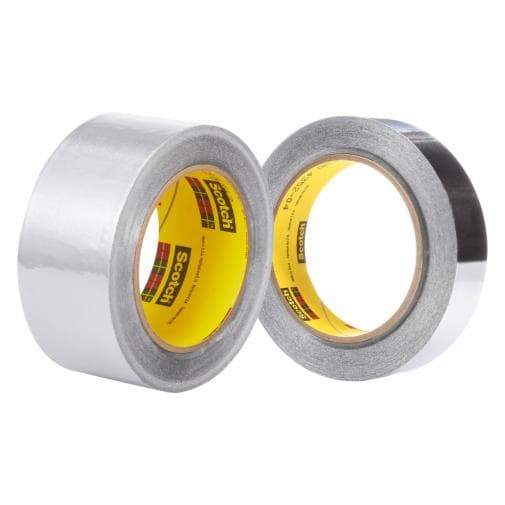
A stock image related to High Temperature Foil Tape.
3 Common User Pain Points for ‘High Temperature Foil Tape’ & Their Solutions
Scenario 1: Why Does Standard Aluminum Foil Tape Fail in High-Temperature Industrial Applications?
The Problem:
Procurement teams frequently encounter catastrophic bond failure when deploying standard aluminum foil tape in high-heat environments. Standard acrylic adhesives degrade rapidly above 250°F (121°C), causing delamination along HVAC ductwork, industrial oven seals, and exhaust systems. This creates costly air leaks that compromise energy efficiency, violate fire safety protocols, and necessitate frequent reapplication in demanding climates like the Middle East or industrial zones in Vietnam.
The Solution:
Specify silicone-adhesive high temperature foil tape engineered for continuous exposure up to 600°F (316°C) and intermittent spikes even higher. Silicone chemistry maintains viscoelastic properties through aggressive thermal cycling, ensuring lasting seals on heating elements and thermal insulation. When sourcing, request temperature performance data sheets distinguishing between continuous operating temperatures and peak exposure limits to match your specific industrial application requirements.
Scenario 2: Which Certifications Are Required for Aerospace and Heavy Industrial Applications?
The Problem:
Manufacturers supplying aerospace, rail, or automotive industries face production halts when foil tapes lack mandatory flame resistance certifications. Without documented compliance to F.A.R. 25.853(a) or UL component recognition, shipments face rejection during quality audits, particularly problematic for European suppliers serving EASA-regulated markets or emerging aviation sectors in Africa and South America.
The Solution:
Procure only UL-Recognized components with specific file numbers (e.g., QQQW2.MH122798) and explicit F.A.R. 25.853(a) flame resistance ratings. Verify that certificates of conformity are batch-specific and include smoke density test results. For international shipments, ensure documentation addresses both FAA and EASA equivalency requirements, reducing customs delays and ensuring seamless integration into passive fire protection systems across global supply chains.
Scenario 3: How Do You Ensure Proper Adhesion on Exhaust Systems and Irregular Ductwork?
The Problem:
Maintenance engineers struggle to achieve airtight seals when applying tape to corrugated ductwork, uneven exhaust joints, or surfaces contaminated with industrial oils. Rigid backings bridge surface imperfections rather than conforming to them, creating channels for heat escape, smoke infiltration, and moisture ingress that compromise structural fireproofing integrity in critical infrastructure.
The Solution:
Specify dead-soft aluminum foil construction that molds to complex geometries without tearing or tenting. Implement a three-step application protocol: first, degrease surfaces with appropriate solvents to remove cutting oils and oxidation; second, apply tape with continuous pressure using a squeegee or roller to maximize adhesive contact; third, overlap seams by 50% on irregular joints to ensure complete coverage. For high-vibration environments like mining equipment or heavy machinery, consider glass cloth reinforced variants that combine conformability with tensile strength.
Strategic Material Selection Guide for High Temperature Foil Tape
Selecting the optimal substrate material for high-temperature foil tape requires balancing thermal performance, mechanical durability, and cost-efficiency across diverse industrial climates. From the humid manufacturing corridors of Vietnam to the thermally demanding petrochemical facilities in the Middle East, procurement teams must evaluate how different metallic and composite backings perform under thermal stress, chemical exposure, and physical abrasion. Understanding the distinct material properties ensures compliance with regional safety standards while maximizing operational longevity in heat shielding, sealing, and fireproofing applications. The following analysis examines four primary substrate categories to inform strategic sourcing decisions.
What Are the Thermal Conductivity and Malleability Benefits of Dead Soft Aluminum Foil Backing?
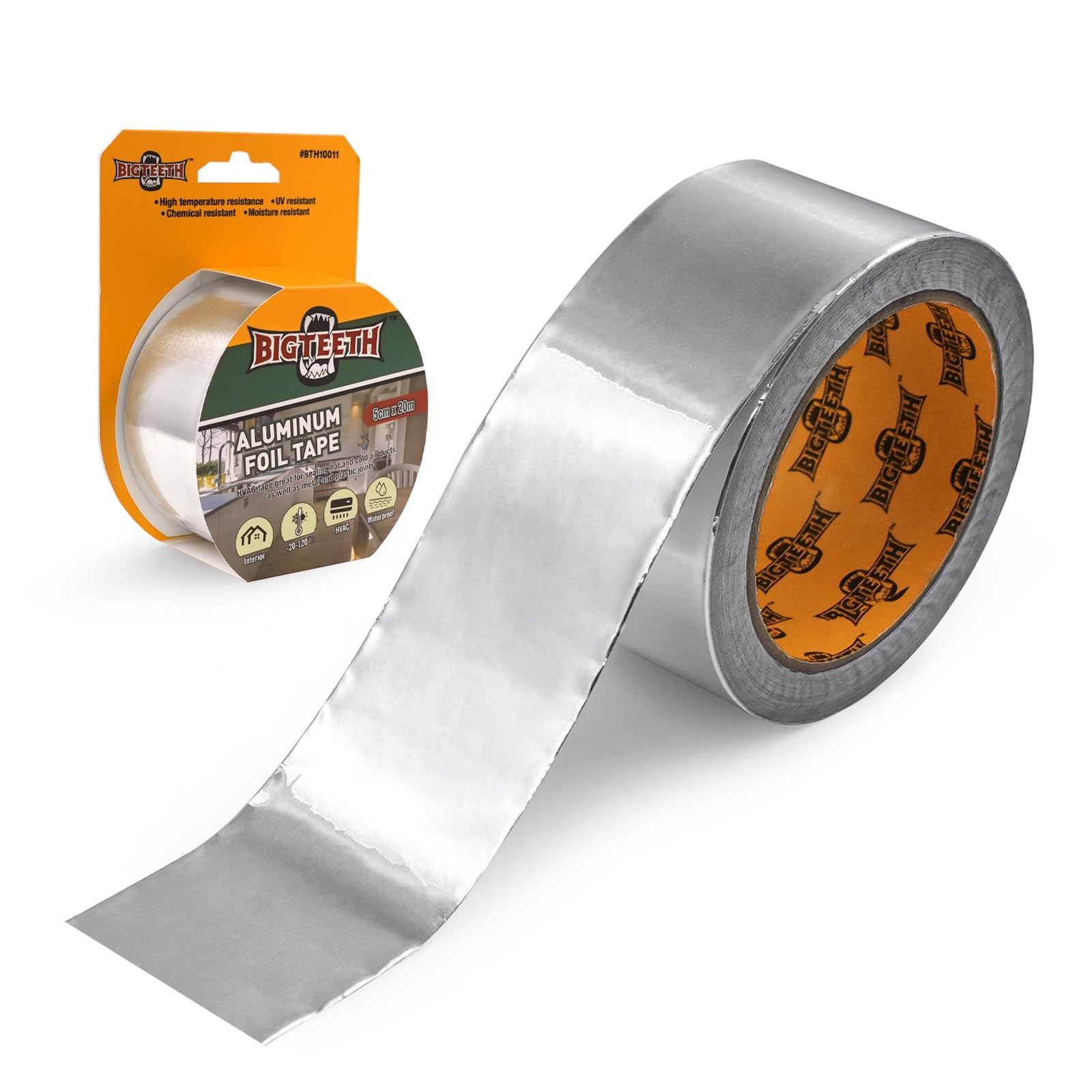
Dead soft aluminum foil represents the industry standard for high-temperature applications, typically available in 1.5 to 2.0 mil thicknesses. This annealed pure aluminum substrate offers exceptional conformability, allowing it to adhere to irregular surfaces in ductwork and equipment housing without cracking or delaminating under thermal expansion. When paired with silicone pressure-sensitive adhesives, these tapes withstand intermittent exposure up to 600°F (316°C), making them ideal for heat shielding in automotive manufacturing and HVAC systems across European industrial facilities. The material’s excellent thermal conductivity facilitates efficient heat dissipation, protecting sensitive electronic components from thermal degradation. However, pure aluminum lacks tensile strength and puncture resistance, rendering it unsuitable for applications involving mechanical stress, abrasion, or rough handling during installation without additional reinforcement layers.
When Does Your Application Require Aluminum Foil Laminated to Glass Cloth?
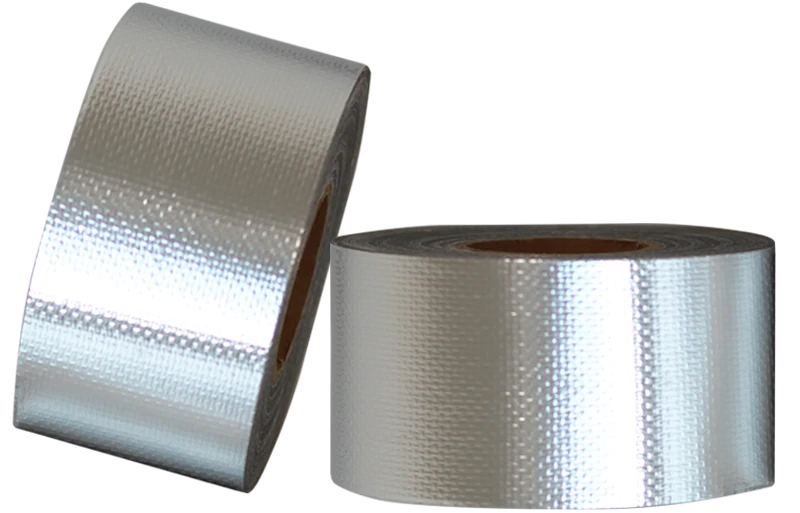
For environments demanding enhanced mechanical durability alongside thermal resistance, aluminum foil laminated to woven fiberglass cloth provides superior structural integrity. This composite construction combines the reflective thermal properties of aluminum with the high-temperature stability and tear resistance of glass fabric, typically serviceable from -65°F to 600°F (-54°C to 316°C) and capable of withstanding higher peaks. In Middle Eastern oil and gas facilities or South American mining operations, where abrasive particulates and severe thermal cycling coexist, this material prevents catastrophic seal failure better than pure foil variants. The glass cloth reinforcement enables the tape to maintain integrity across expansion joints and vibration-prone ductwork while providing flame resistance meeting F.A.R. 25.853(a) standards. The trade-off involves reduced conformability compared to dead soft foil and marginally higher material costs, though the extended service life and reduced maintenance frequency often justify the investment in critical passive fire protection applications.
How Does Copper Foil Perform in Specialized High-Temperature Electrical Applications?
Copper foil tapes serve niche B2B procurement needs where electrical conductivity combines with thermal management requirements. While offering superior electrical grounding and EMI shielding capabilities compared to aluminum, standard copper foil withstands temperatures up to 300°F (149°C), though specialized high-temperature silicone adhesive formulations extend this range significantly. German automotive and electronics manufacturers frequently specify copper for battery thermal management systems, circuit board protection, and transformer applications. The material exhibits excellent corrosion resistance in marine environments prevalent in African coastal industrial zones and provides antimicrobial properties beneficial in food processing equipment. Nevertheless, copper’s higher density and material cost—typically three to four times that of aluminum—limits widespread adoption to specialized electrical and electronic applications where conductivity is paramount and weight considerations are secondary.
Why Consider Stainless Steel Foil for Extreme Chemical and Thermal Environments?
Stainless steel foil backing addresses the most extreme operational parameters, tolerating continuous temperatures exceeding 1000°F (538°C) while resisting aggressive corrosive chemicals and oxidation. This material proves essential for petrochemical processing equipment in harsh climates, exhaust system sealing in heavy industrial applications, and furnace construction across European metallurgical plants. The austenitic stainless structure provides exceptional puncture resistance and dimensional stability under severe thermal stress, outperforming aluminum composites in environments exposed to acids, solvents, and salt spray. Procurement teams must weigh the substantial cost premium—often five to eight times higher than aluminum alternatives—against the critical need for failure-proof performance in safety-sensitive installations. The material’s inherent rigidity also demands meticulous surface preparation and skilled application techniques compared to more malleable foil options, potentially increasing installation labor costs.
| Material | Typical Use Case for High Temperature Foil Tape | Key Advantage | Key Disadvantage/Limitation | Relative Cost |
|---|---|---|---|---|
| Dead Soft Aluminum Foil | Heat shielding in HVAC, automotive sealing, general |
A stock image related to High Temperature Foil Tape.
In-depth Look: Manufacturing Processes and Quality Assurance for High Temperature Foil Tape
What Raw Material Specifications Determine High-Temperature Performance?
The manufacturing journey of high-temperature foil tape begins with metallurgical precision. Premium producers utilize dead-soft aluminum foil, typically ranging from 2 to 5 mils in thickness, selected for its exceptional conformability and thermal conductivity. Unlike standard aluminum alloys used in packaging applications, aerospace-grade foils undergo annealing processes that eliminate work hardening, enabling the tape to adhere seamlessly to irregular surfaces while maintaining structural integrity at extreme temperatures.
The adhesive matrix represents the critical differentiator between commodity tapes and industrial-grade solutions. Silicone pressure-sensitive adhesives (PSAs) dominate high-temperature applications due to their unique polymer structure, which maintains tack and cohesion from -65°F to 600°F (-54°C to 316°C). Manufacturers employ solvent-based coating systems or hot-melt calendering to achieve uniform adhesive deposition, typically ranging from 1.5 to 3 mils dry thickness. For reinforced variants, glass cloth interlayers undergo silicone saturation prior to lamination, creating composite structures that resist tearing while providing electrical insulation properties essential for aerospace and heavy industrial environments.
How Are Multi-Layer Lamination Processes Optimized for Thermal Resistance?
Industrial coating lines for high-temperature foil tape utilize precision gravure or slot-die coating techniques to ensure adhesive uniformity across the entire web width. The lamination process occurs in climate-controlled environments where temperature and humidity remain strictly regulated—typically maintained at 68-72°F (20-22°C) with 45-55% relative humidity—to prevent premature curing or contamination. Following adhesive application, the substrate passes through multi-zone ovens where gradual thermal ramping activates cross-linking in silicone polymers without compromising the aluminum backing’s metallurgical properties.
Slitting and converting operations demand equal precision. Rotary shear slitting systems equipped with carbide blades process master rolls into specified widths, maintaining tolerances of ±0.5mm critical for automated application equipment used in automotive and electronics manufacturing. Edge quality inspections occur inline using machine vision systems that detect burrs or adhesive bleed that could compromise sealing performance in HVAC ductwork or thermal insulation applications.
Which Quality Control Protocols Verify Temperature and Flame Resistance?
Rigorous testing protocols separate certified industrial tapes from uncertified alternatives. Thermal aging tests subject sample specimens to sustained exposure at rated maximum temperatures—often 500°F to 600°F (260°C to 316°C)—for 1,000+ hours to validate adhesive cohesion retention and aluminum backing oxidation resistance. Thermogravimetric analysis (TGA) quantifies weight loss thresholds, ensuring formulations meet aerospace specifications where outgassing could contaminate sensitive instrumentation.
Flame resistance verification follows standardized protocols including F.A.R. 25.853(a) for aviation applications and UL 723 (ASTM E84) for building materials. These tests measure flame spread indices and smoke development values, critical for buyers specifying materials for commercial construction in Germany, fire suppression systems in the Middle East, or industrial facilities across Vietnam. Peel adhesion testing at elevated temperatures—typically performed at 180°F (82°C) and 300°F (149°C)—ensures the tape maintains holding strength during thermal cycling, preventing delamination in heat shielding applications.
What Certifications Should International Buyers Verify for Cross-Border Compliance?
For B2B buyers sourcing across continents, understanding certification hierarchies prevents costly specification errors. UL Recognized Component status (file references such as QQQW2.MH122798) indicates the tape meets North American safety standards, while CE marking compliance ensures conformity with European Union construction product regulations. Middle Eastern and African markets often require SASO (Saudi Standards) or SONCAP (Nigeria) certifications, necessitating manufacturers to maintain multiple testing regimens.
RoHS and REACH compliance documentation proves particularly crucial for European and automotive industry procurement, verifying the absence of restricted heavy metals and phthalates in adhesive formulations. For aerospace applications, AS9100 quality management system certification at the manufacturing facility provides assurance of traceability and statistical process control, essential when tape performance directly impacts passenger safety in commercial aviation.
How Does Supply Chain Quality Assurance Ensure Consistency in Global Distribution?
Leading manufacturers implement statistical process control (SPC) throughout production runs, with real-time monitoring of coating weights, adhesion values, and release liner integrity. Lot traceability systems assign unique identifiers to each master roll, enabling buyers to verify production dates, raw material batches, and quality test results months after delivery—critical for warranty claims and failure analysis in industrial maintenance applications.
Packaging specifications for international shipping require moisture-barrier bags with desiccant packs to prevent humidity-induced adhesive degradation during ocean freight to South American or Southeast Asian ports. Temperature-controlled storage recommendations (typically 50-80°F/10-27°C) accompany each shipment, ensuring that silicone adhesives remain stable through varying climatic conditions encountered during transit through tropical or desert regions.
When evaluating potential suppliers, B2B buyers should request Certificate of Analysis (CoA) documentation for each production lot, detailing actual test results versus specification ranges for peel strength, shear resistance, and thermal conductivity. This documentation transparency, combined with ISO 9001:2015 quality management certification, provides the procurement confidence necessary for specifying high-temperature foil tape in critical infrastructure projects across diverse international markets.
Practical Sourcing Guide: A Step-by-Step Checklist for ‘High Temperature Foil Tape’
Procuring high-temperature foil tape for industrial applications requires more than comparing unit prices. Buyers must navigate material specifications, regulatory frameworks, and supply chain complexities to ensure selected products perform reliably under extreme thermal stress. This checklist provides a systematic framework for evaluating suppliers and products, minimizing procurement risks while ensuring compliance with regional safety standards across diverse international markets.
What Temperature Range and Duration Requirements Should You Define?
Begin by documenting your exact thermal exposure parameters. Standard high-temperature aluminum foil tapes typically withstand intermittent exposure up to 600°F (316°C), but continuous operating temperatures may differ significantly from peak ratings. Determine whether your application involves sustained heat shielding, cyclical thermal stress, or emergency fireproofing scenarios. Document the substrate materials the tape must bond to, as surface energy affects adhesive selection between silicone-based systems (excellent for high heat) and acrylic alternatives (better for moderate temperatures).
How Do You Select the Appropriate Backing and Adhesive Composition?
Evaluate whether your application requires dead-soft aluminum foil for conformability around irregular surfaces or glass cloth-reinforced backing for enhanced tensile strength and puncture resistance. For metal annealing processes or heating element coverage, specify thermally conductive formulations that dissipate heat effectively. Verify that the adhesive system maintains tack and shear strength across your operational temperature range, particularly for critical seam sealing in HVAC ductwork or thermal insulation applications.
Which International Certifications and Standards Must Be Verified?
Regulatory compliance varies significantly across target markets. Require documentation proving flame resistance ratings such as FAR 25.853(a) for aerospace applications or UL recognition for electrical and construction sectors. For Middle Eastern and European markets, request EN 1366 fire resistance testing or local equivalent certifications. Ensure suppliers provide batch-specific test reports rather than generic compliance statements, particularly when sourcing for fireproofing structural penetrations or passive fire protection systems.
What Application-Specific Performance Criteria Should Drive Specifications?
Distinguish between heat shielding (wrapping thermal insulation), splicing (joining metal foils in manufacturing), and sealing (preventing smoke infiltration). Each application demands different elongation properties, peel adhesion values, and moisture resistance. For automotive or heavy machinery applications in humid climates like Southeast Asia or South America, specify tapes with corrosion-resistant coatings and UV-stable adhesives to prevent degradation during storage and installation.
How Can You Validate Supplier Manufacturing Consistency?
Before committing to bulk orders, audit the supplier’s quality management systems and raw material traceability protocols. Request samples from multiple production batches to verify consistency in thickness, adhesive coating weight, and thermal performance. Establish clear acceptance criteria for width tolerances, roll length accuracy, and core specifications to prevent production line disruptions. For African and South American markets, confirm the supplier’s experience with export documentation and customs requirements to avoid clearance delays.
What Pre-Purchase Testing Protocols Ensure Product Reliability?
Implement a sample testing phase simulating actual operating conditions. Subject trial samples to accelerated aging tests, thermal cycling, and substrate-specific adhesion assessments. Verify that the tape maintains structural integrity after application to oily or slightly oxidized surfaces common in industrial maintenance environments. Document performance benchmarks for peel strength and flame spread indices before authorizing mass production runs.
A stock image related to High Temperature Foil Tape.
Comprehensive Cost and Pricing Analysis for High Temperature Foil Tape Sourcing
High temperature foil tape procurement involves navigating a sophisticated cost structure where material engineering directly dictates price points. For B2B buyers operating across diverse regulatory environments—from German automotive manufacturing to Vietnamese electronics assembly and Middle Eastern construction sectors—understanding these pricing variables ensures optimal specification without budget overruns.
What Raw Material Specifications Drive High Temperature Foil Tape Pricing?
The fundamental cost determinant lies in the metallurgical and adhesive composition. Dead soft aluminum backings, typically ranging from 2 mil to heavier gauges, command premium pricing over standard foil due to enhanced conformability in heat shielding applications. Silicone pressure-sensitive adhesives (PSA), essential for maintaining bond integrity up to 600°F (316°C), significantly increase material costs compared to acrylic or rubber-based alternatives. Additionally, glass cloth reinforcements—necessary for structural fireproofing and aerospace applications—add manufacturing complexity and raw material expense, particularly when sourcing UL-recognized components for critical infrastructure projects.
How Do Temperature Ratings and Certifications Impact Bulk Procurement Costs?
Performance specifications create distinct pricing tiers in the global market. Tapes rated for extreme thermal cycling (-65°F to 600°F) with FAR 25.853(a) flame resistance certification inherently carry higher unit costs due to rigorous testing protocols and aerospace-grade quality assurance. However, for industrial buyers in South America or Africa focusing on HVAC heat dissipation rather than aviation fireproofing, specifying moderate-temperature variants can reduce expenditure by 20-30% while maintaining adequate thermal conductivity for heating element coverage and insulation splicing.
What Volume and Customization Factors Affect International Logistics Economics?
Width specifications and roll dimensions substantially influence landed costs for international shipments. Standard widths (25.4mm to 101.6mm) typically offer economies of scale, while custom slit rolls for specific annealing processes or narrow ductwork applications incur slitting surcharges. Procurement teams should evaluate jumbo roll purchasing against local conversion capabilities, particularly when importing to regions with developing industrial tape distribution networks. Storage conditions also factor into total cost, as silicone-adhesive products require climate-controlled warehousing to prevent degradation in humid tropical climates common in Southeast Asian or African markets.
How Can Buyers Optimize Total Cost of Ownership Across Fireproofing Applications?
Strategic specification matching delivers the strongest cost efficiency. Over-engineering—selecting aerospace-grade tape for standard building seam sealing—creates unnecessary expenditure. Instead, buyers should categorize applications by criticality: utilize high-temperature aluminum foil/glass cloth composites only for passive fire protection systems and structural compartmentalization, while employing standard aluminum foil tapes for general heat shielding and equipment maintenance. Establishing consolidated purchasing agreements for multi-site operations across European and Middle Eastern facilities further leverages volume discounts, particularly when aligning procurement with seasonal construction cycles in target markets.
Alternatives Analysis: Comparing High Temperature Foil Tape With Other Solutions
When evaluating thermal management strategies for industrial infrastructure, procurement teams must assess whether adhesive-backed foil systems align with operational constraints or if alternative methodologies better serve specific environmental and regulatory demands. While high temperature foil tape delivers unmatched versatility for rapid deployment and complex geometries, alternative solutions such as ceramic fiber textile systems and mechanical metal jacketing address niche requirements where adhesive limitations—such as maximum temperature thresholds or substrate compatibility—become critical factors in mission-critical applications across diverse global markets.
What Are the Most Viable Alternatives to High Temperature Foil Tape for Industrial Sealing?
| Comparison Aspect | High Temperature Foil Tape | Ceramic Fiber Rope & Braided Packing | Mechanical Metal Jacketing with Banding |
|---|---|---|---|
| Maximum Temperature Resistance | Up to 316°C (600°F) with silicone adhesive; higher with specialized coatings | 1,000°C to 1,260°C (1,832°F to 2,300°F) depending on alumina-silicate grade | 800°C to 1,200°C (1,472°F to 2,192°F) based on alloy selection |
| Installation Speed | Rapid application; immediate bond on contact | Labor-intensive; requires manual packing and compression | Slow; requires cutting, drilling, and mechanical fastening |
| Surface Adaptability | Excellent on smooth metals; moderate on irregular surfaces | Highly conformable to gaps, joints, and complex geometries | Limited to rigid, accessible substrates requiring banding access |
| Labor Requirements | Low-skilled; minimal training required | Medium-skilled; requires packing expertise | High-skilled; needs mechanical fitting expertise |
| Initial Cost (Material) | Low to moderate ($) | Low ($) | Moderate to high ($$) |
| Total Cost of Ownership | Low maintenance; easy field repairs | Moderate; requires periodic re-packing in high-vibration areas | High; corrosion monitoring and thermal expansion management |
| Durability in Harsh Environments | Vulnerable to UV degradation and abrasion in desert/coastal climates | Excellent thermal shock resistance; fragile to mechanical abrasion | Superior impact resistance; withstands sandstorms and salt spray |
| Best Application | Emergency repairs, heat shielding, seam sealing in HVAC and automotive | Furnace seals, expansion joints in steel and glass manufacturing | Large ductwork, LNG infrastructure, chemical processing vessels |
How Does Ceramic Fiber Rope Compare to Foil Tape for High-Temperature Applications?
Ceramic fiber rope serves as a fibrous alternative specifically engineered for extreme thermal environments exceeding the operational thresholds of standard silicone-based foil tapes, which typically max out at approximately 316°C. Composed of alumina-silicate fibers woven into flexible cords or flat tapes, this solution excels in sealing expansion joints, furnace doors, and cable penetrations where compressibility and gap-filling capacity take precedence over adhesive bonding strength. Unlike foil tape, which requires pristine, oil-free surface conditions for optimal adhesion—often challenging to maintain in field conditions across industrial zones in Africa or South America—ceramic fiber packing conforms to irregular geometries and accommodates thermal cycling without delamination risks. However, procurement teams should note that installation demands significantly higher labor inputs, requiring manual packing and compression mechanisms such as gland followers to maintain seal integrity under pressure. While the raw material costs remain competitive with foil systems, the total installed cost often exceeds adhesive solutions due to specialized application techniques, longer installation timelines, and the need for periodic replacement in high-vibration environments common in mining and heavy manufacturing operations.
When Should Mechanical Metal Jacketing Systems Replace Adhesive Foil Solutions?
For permanent infrastructure requiring robust mechanical protection against physical impact, UV degradation, and corrosive atmospheres, stainless steel or aluminum jacketing secured with banding straps offers a rigid alternative to adhesive foil tape. This methodology proves particularly advantageous in petrochemical facilities, LNG terminals, and desalination plants across the Middle East and coastal regions of Vietnam, where intense solar exposure and salt-laden air rapidly compromise organic adhesive systems. Metal jacketing provides superior longevity—often exceeding 20 years in harsh environments—and withstands higher mechanical stress from wind loads or accidental impact, though it requires substantial upfront investment in materials, cutting equipment, and skilled installation labor. The system demands precise engineering to accommodate thermal expansion and contraction, often necessitating expansion joints and overlap calculations that foil tape eliminates through its inherent flexibility and conformability. While mechanical systems dominate in large-diameter piping and vessel applications common in German chemical processing plants, they lack the agility for emergency repairs, steam leak containment, and complex retrofitting scenarios where foil tape provides immediate operational continuity without production shutdowns.
Essential Technical Properties and Trade Terminology for High Temperature Foil Tape
When procuring high temperature foil tape for industrial applications spanning from Middle Eastern petrochemical facilities to Vietnamese manufacturing plants, understanding precise technical specifications and standardized trade terminology is critical for compliance and operational reliability. These parameters determine not only thermal resilience but also regulatory acceptance across diverse international markets, ensuring that procurement decisions align with both performance requirements and regional safety mandates.
What Critical Technical Specifications Determine Foil Tape Performance in Extreme Heat?
Continuous and Intermittent Temperature Range
This specification defines operational viability across thermal cycles, with industrial-grade tapes typically rated from -65°F (-54°C) to 600°F (316°C). Buyers must verify whether ratings indicate continuous exposure limits or intermittent peak tolerance, as silicone adhesives withstand brief thermal spikes beyond continuous thresholds while acrylic formulations degrade rapidly above 300°F (149°C).
Thermal Conductivity and Emissivity
Beyond mere heat resistance, thermal conductivity—measured in watts per meter-kelvin (W/m·K)—determines how effectively the tape dissipates heat from protected surfaces. Low-emissivity aluminum surfaces reflect up to 95% of radiant heat, making this property critical for protecting wiring and components in automotive underhood applications or industrial oven interiors.
Backing Thickness and Reinforcement
Standard aluminum backings range from 2 mil to 7 mil (0.05mm to 0.18mm), with glass cloth reinforcement adding structural integrity for high-tensile applications. Thicker backings provide enhanced puncture resistance for splicing jumbo rolls or wrapping sharp edges, while dead soft aluminum variants conform better to irregular substrates without spring-back.
Flame Resistance Classifications
Regulatory designations such as F.A.R. 25.853(a) for aerospace or UL 723 (ASTM E84) for building materials indicate flame spread indices and smoke development values. These certifications are mandatory for tapes used in compartmentalization strategies or aircraft interior assemblies across European and North American markets.
Adhesive Shear Strength at Temperature
Silicone pressure-sensitive adhesives maintain cohesive strength and tack across extreme differentials, resisting “oozing” or edge lifting during thermal expansion and contraction cycles common in metal annealing processes or HVAC ductwork in high-humidity climates.
Which Industry Terms and Certifications Should Global Buyers Understand?
Dead Soft Aluminum
This metallurgical term describes fully annealed aluminum foil that has undergone thermal processing to eliminate work hardening. The resulting material exhibits zero temper, allowing it to wrap tightly around complex geometries, elbows, and irregular surfaces without tearing or adhesive delamination—essential for fireproofing seams in industrial ductwork.
Pressure Sensitive Adhesive (PSA)
Unlike heat-activated or solvent-based systems, PSA bonds instantly upon application of light pressure, requiring no curing time. In high-temperature contexts, silicone-based PSA formulations maintain viscoelastic properties where rubber or acrylic adhesives would embrittle or liquefy, ensuring immediate handling strength and long-term reliability at elevated temperatures.
F.A.R. 25.853(a)
This Federal Aviation Regulation mandates specific flammability performance for aircraft interior materials, requiring tapes to demonstrate self-extinguishing characteristics within 15 seconds of flame removal with burn lengths not exceeding 6 inches. Compliance is non-negotiable for aerospace suppliers serving Middle Eastern and European aviation markets.
UL Recognized Component
Designated by file numbers such as QQQW2.MH
Navigating Market Dynamics and Sourcing Trends in the High Temperature Foil Tape Sector
The global high temperature foil tape market is experiencing robust expansion as industries prioritize thermal management and fire safety compliance. With infrastructure projects accelerating across emerging economies and regulatory frameworks tightening in established markets, procurement professionals face both opportunities and complex sourcing challenges. Understanding regional demand patterns, technical specification evolutions, and supply chain vulnerabilities is essential for optimizing procurement strategies and ensuring operational resilience in high-stakes industrial environments.
How Are Regional Market Dynamics Influencing High Temperature Foil Tape Procurement Strategies?
The demand landscape for high temperature foil tape varies significantly across international markets, requiring geographically tailored procurement approaches. In Africa, South America, and the Middle East, rapid industrialization, oil and gas sector expansion, and large-scale infrastructure investments are driving substantial consumption for construction fireproofing, ductwork sealing, and HVAC applications. Buyers in these regions prioritize cost-effective solutions that withstand extreme ambient temperatures while meeting fundamental international safety standards, though they increasingly require suppliers capable of providing UL-recognized components and flame-resistant certifications comparable to F.A.R. 25.853(a) standards.
Conversely, European markets, particularly Germany, alongside Vietnam’s manufacturing export sectors, emphasize stringent compliance with EN fire safety classifications, aerospace specifications, and automotive industry standards. These buyers demand multi-layer composite solutions, such as aluminum foil laminated with glass cloth backings, which offer enhanced thermal resistance up to 600°F (316°C) and superior structural integrity under thermal stress. The shift toward electric vehicle manufacturing and renewable energy infrastructure globally is further accelerating demand for advanced heat shielding solutions that improve heating and cooling efficiency while protecting temperature-sensitive components.
Procurement teams must navigate aluminum commodity price volatility, which significantly impacts pricing structures and availability, particularly for buyers in price-sensitive emerging markets. Establishing relationships with manufacturers offering consistent dead-soft aluminum quality and clear silicone pressure-sensitive adhesives ensures reliable performance across seaming, splicing, and sealing applications where bond failure could result in catastrophic thermal exposure.
What Sustainability and Ethical Sourcing Criteria Should B2B Buyers Prioritize?
Sustainability has transitioned from a peripheral concern to a core procurement criterion in the high temperature foil tape sector. The inherent recyclability of aluminum backings offers environmental advantages, yet sophisticated buyers must scrutinize adhesive formulations, seeking suppliers utilizing solvent-free silicone adhesives that maintain performance across extreme temperatures (-65°F to 600°F) while reducing volatile organic compound emissions. Ethical sourcing extends beyond environmental impact to encompass supply chain transparency, particularly regarding conflict minerals compliance and fair labor practices in raw material extraction and manufacturing facilities.
Progressive manufacturers now provide comprehensive lifecycle assessments and hold ISO 14001 environmental management certifications, enabling buyers to meet corporate sustainability targets without compromising technical specifications. When evaluating suppliers, particularly from Asian manufacturing hubs serving European and Middle Eastern markets, verify compliance with RoHS directives and REACH regulations to ensure market access and regulatory adherence. Additionally, consider end-of-life implications: while aluminum components are recyclable, the composite nature of these tapes often requires specialized disposal methods, prompting leading suppliers to develop innovative separable adhesive systems that facilitate material recovery and support circular economy initiatives.
Strategic sourcing decisions should also account for carbon footprint reduction in logistics, favoring suppliers with regional distribution networks that minimize transcontinental shipping emissions while maintaining inventory buffers against supply chain disruptions. By integrating these sustainability and ethical considerations into technical procurement criteria, B2B buyers can mitigate regulatory risks, enhance brand reputation, and secure long-term supply partnerships aligned with evolving global environmental standards.
Frequently Asked Questions (FAQs) for B2B Buyers of High Temperature Foil Tape
1. What is the maximum temperature rating for high temperature aluminum foil tape, and how do continuous versus intermittent exposure limits affect procurement specifications?
High temperature aluminum foil tape typically withstands continuous operating temperatures ranging from -65°F to 600°F (-54°C to 316°C), with some specialized formulations tolerating limited exposure up to 600°F/316°C for heat shielding applications. B2B buyers must distinguish between continuous duty ratings—where the tape maintains adhesive integrity during prolonged thermal stress—and intermittent peak ratings that apply to short-term exposure scenarios. When drafting technical specifications for industrial procurement, ensure your RFQs explicitly state whether the application requires sustained thermal resistance or protection against sporadic heat spikes, as this determines whether silicone-based adhesives or specialized glass cloth laminates are necessary.
How do you apply high temperature foil tape to exhaust systems and ductwork for optimal thermal sealing?
Proper application begins with surface preparation using degreasing agents to remove oils, moisture, and oxidation that compromise silicone adhesive bonds in high-heat environments. For exhaust systems and HVAC ductwork, apply the dead soft aluminum tape with 50% overlap on seams, using a pressure roller to eliminate air pockets that could create thermal bridges or flame propagation paths. In industrial facilities across Africa and the Middle East where ambient temperatures fluctuate severely, allow 24 hours for the adhesive to cure before exposing the installation to maximum operating temperatures, ensuring the tape forms a permanent barrier against heat loss and fire spread.
2. What is the difference between standard aluminum foil tape and high temperature foil tape for industrial fireproofing applications?
Standard aluminum foil tapes utilize rubber or acrylic adhesives that degrade above 200°F (93°C), whereas high temperature variants employ silicone pressure-sensitive adhesives engineered to maintain tack and cohesion at extreme temperatures. High temperature tapes often feature dead soft aluminum backings or glass cloth reinforcements that provide dimensional stability during thermal cycling, critical for structural fireproofing and passive fire protection systems. For B2B buyers sourcing for aerospace or automotive manufacturing, this distinction determines whether your tape meets flame resistance requirements like F.A.R. 25.853(a) or merely serves as a vapor barrier.
Which high temperature foil tape certifications are required for aerospace, automotive, and heavy industrial applications?
Aerospace procurement teams must verify compliance with F.A.R. 25.853(a) for flame resistance and UL Recognition (file QQQW2.MH122798) when specifying tapes for aircraft interiors and critical components. Industrial buyers in European markets should confirm adherence to EN 1366 for fire resistance testing, while automotive manufacturers typically require tapes meeting OEM specifications for under-hood thermal management. When sourcing from international suppliers, request batch-specific test certificates and material safety data sheets (MSDS) to ensure compliance with regional fire codes and insurance requirements for commercial buildings and industrial facilities.
3. How does high temperature foil tape enhance passive fire protection and compartmentalization strategies in commercial structures?
In passive fire protection systems, high temperature foil tape functions as a critical sealant for penetrations, joints, and seams in fire-rated wall assemblies, preventing the infiltration of smoke and flames between compartments. The tape’s ability to adhere to diverse substrates—including metal ductwork, insulation materials, and concrete—enables comprehensive sealing of vulnerable points that could compromise a building’s fire resistance rating. For B2B buyers managing construction projects in Vietnam or Germany, specifying UL-recognized high temperature foil tape ensures compliance with strict building codes while providing a cost-effective alternative to intumescent sealants for non-load-bearing penetrations.
What surface preparation and installation techniques ensure maximum adhesion for high temperature foil tape in challenging environments?
Achieving optimal bond strength requires cleaning substrates with isopropyl alcohol or commercial degreasers to remove mill oils, dust, and oxidation, particularly on galvanized steel ductwork common in Middle Eastern industrial facilities. Apply the tape at temperatures above 50°F (10°C) to ensure silicone adhesive flow, then use a squeegee or roller to apply 15-20 psi pressure that activates the bonding agents. In high-humidity environments typical of South American manufacturing plants, allow extended curing time before thermal cycling begins, and consider primers for porous surfaces to prevent adhesive starvation and edge lifting.
4. How can B2B buyers evaluate thermal conductivity and heat dissipation properties when selecting foil tape for temperature-sensitive applications?
Dead soft aluminum backings provide excellent thermal conductivity, allowing the tape to dissipate heat away from sensitive components or distribute heat evenly across heating elements in industrial ovens and annealing processes. For applications requiring both thermal management and mechanical durability, glass cloth-reinforced aluminum foil tapes offer enhanced tear resistance while maintaining heat shielding capabilities up to 600°F. Procurement teams should request thermal impedance data and emissivity ratings from manufacturers to calculate heat transfer coefficients, ensuring the selected tape can manage thermal loads in aerospace engine compartments or automotive exhaust systems without adhesive degradation.
What customization options and bulk procurement strategies should international buyers consider when sourcing high temperature foil tape?
Leading manufacturers offer custom slit widths, extended lengths up to several thousand meters, and specialized core sizes compatible with automated dispensing equipment used in high-volume European automotive plants. When negotiating contracts for African or South American infrastructure projects, discuss moisture-resistant packaging and container loading optimization to prevent edge corrosion during ocean freight. B2B buyers should also verify that suppliers provide comprehensive technical documentation, including pressure-sensitive adhesive specifications and thermal cycling test reports, to support your quality assurance protocols and end-client compliance requirements.
Important Disclaimer & Terms of Use
⚠️ Important Disclaimer
The information provided in this guide, including content regarding manufacturers, technical specifications, and market analysis, is for informational and educational purposes only. It does not constitute professional procurement advice, financial advice, or legal advice.
B2B buyers must conduct their own independent and thorough due diligence before making any purchasing decisions. The risk of relying on any information in this guide is borne solely by the reader.
Top 2 High Temperature Foil Tape Manufacturers & Suppliers List
1. iTape – Aluminum Foil Tapes
Domain: itape.com
Registered: 1998 (28 years)
Introduction: IPG offers a comprehensive range of aluminum foil tapes for building, construction, and industrial applications. Product categories include: 1) Premium Grade (ALF300/ALF300L): 3.0 mil dead soft aluminum foil with aggressive acrylic adhesive, self-wound or with liner, UV resistant, water-resistant, conforms to irregular surfaces. 2) Medium Grade (ALF200/ALF200L): 2.0 mil dead soft aluminum foil wit…
2. Elite Tape – Aluminum Foil Tapes
Domain: elitetape.com
Registered: 2014 (12 years)
Introduction: Elite Tape offers Aluminum Foil Tapes including the 820A Aluminum Foil Acrylic Tape (2.0 Mil. Silver). Product line includes Aluminum Foil, Lead Foil, and Foil-Scrim-Kraft Tapes available in various thicknesses and adhesion levels. Features Acrylic and Rubber based adhesive systems designed for bonding to LSE & HSE Plastics and Coated/Uncoated Metal substrates. Temperature resistance ranges from 1…
Strategic Sourcing Conclusion and Outlook for High Temperature Foil Tape
How Should Global Buyers Evaluate Long-Term Suppliers for Critical Thermal Applications?
As industries from aerospace to heavy manufacturing intensify fire safety protocols, sourcing high temperature foil tape requires moving beyond basic specifications toward comprehensive risk mitigation. Procurement teams must prioritize suppliers offering certified flame-resistant solutions—specifically those meeting FAR 25.853(a) and UL recognition standards—while ensuring silicone adhesive systems maintain structural integrity across extreme thermal cycles ranging from -65°F to 600°F. The convergence of passive fire protection requirements and active thermal management demands necessitates partners capable of delivering dead-soft aluminum constructions that conform to complex geometries without compromising heat dissipation performance or smoke-sealing capabilities.
What Strategic Factors Will Define the Next Generation of Heat Shielding Procurement?
Looking ahead, the market trajectory favors multifunctional adhesive systems that simultaneously address compartmentalization fireproofing and energy efficiency optimization in industrial infrastructure. Buyers across emerging markets in Africa, Southeast Asia, and the Middle East should anticipate accelerated demand for tapes supporting HVAC ductwork optimization and electric vehicle battery thermal management. Sustainable competitive advantage in strategic sourcing will depend on securing supply chains that balance immediate regulatory compliance with adaptability to evolving sustainability mandates, ensuring long-term infrastructure resilience against increasingly stringent thermal performance benchmarks.