Introduction: Navigating the Global Market for Waterproof Aluminum Foil Tape
Sourcing waterproof aluminum foil tape for climate-resilient infrastructure presents a critical procurement challenge when supply chain reliability directly impacts project longevity. Whether sealing HVAC ductwork in Saudi Arabia’s extreme heat, weatherproofing construction joints in Germany’s variable climate, or protecting electrical systems in humid African and South American environments, selecting the wrong specification can result in adhesive failure, moisture intrusion, and costly rework. This comprehensive guide addresses the complexity of global procurement by demystifying technical specifications and supplier capabilities.
Why do international buyers face challenges with waterproof aluminum foil tape specifications?
Global procurement teams encounter significant variability in adhesive performance standards and material grades across regional markets. The distinction between acrylic and butyl rubber adhesives becomes critical when applications face thermal cycling in Middle Eastern deserts or high humidity in tropical African climates, where inferior products degrade rapidly. Additionally, navigating certification requirements—from European REACH compliance to regional building codes—while balancing cost efficiency against performance durability requires specialized market knowledge that many sourcing teams lack.
What strategic sourcing insights will this guide provide?
This resource delivers actionable intelligence across the complete procurement spectrum: analyzing aluminum foil tape types by backing thickness and adhesive chemistry, mapping applications from HVAC sealing to marine-grade waterproofing, and establishing rigorous supplier vetting protocols for cross-border trade. We examine cost-optimization strategies without compromising quality, address logistics considerations for bulk importation to Africa, South America, and European markets, and detail compliance frameworks essential for German industrial standards and Saudi Arabian construction regulations.
By synthesizing technical specifications with regional market intelligence, this guide empowers procurement professionals to make data-driven decisions that ensure long-term sealing performance across diverse environmental conditions.
Understanding Waterproof Aluminum Foil Tape Types and Variations
| Type Name | Key Distinguishing Features | Primary B2B Applications | Brief Pros & Cons for Buyers |
|---|---|---|---|
| Butyl Rubber Aluminum Foil Tape | Thick butyl rubber adhesive layer; aggressive initial tack; conforms to irregular surfaces; UV-resistant backing | Roofing, marine sealing, underground pipe wrapping, outdoor HVAC ductwork | Pros: Superior watertight seal, excellent gap-filling, long-term outdoor durability. Cons: Higher material cost, temperature-sensitive application window (typically 5°C-40°C) |
| Acrylic Adhesive Aluminum Foil Tape | Water-based acrylic adhesive; moderate tack; good chemical resistance; REACH compliant | Indoor HVAC duct sealing, insulation facing attachment, general moisture barriers in climate-controlled facilities | Pros: Cost-effective, wide service temperature range, clean removal during maintenance. Cons: Lower initial adhesion on rough surfaces, requires pressure-sensitive application tools for optimal bonding |
| Foil-PET (Polyester) Laminate Tape | Aluminum foil laminated with polyester film; increased tensile strength; puncture-resistant construction | Industrial cable shielding, refrigeration line insulation, heavy-duty packaging, automotive manufacturing | Pros: Excellent tear resistance, dimensional stability, mechanical protection against abrasion. Cons: Reduced flexibility compared to pure foil, requires specialized adhesives for extreme temperature applications |
| Glass Cloth Aluminum Foil Tape | Aluminum foil bonded to woven glass fiber mesh; high-temperature silicone or acrylic adhesive system | High-temperature exhaust systems, industrial furnace sealing, power plant ductwork, aerospace applications | Pros: Extreme heat resistance (up to 600°F/315°C), structural integrity under thermal cycling, flame retardant. Cons: Premium pricing, requires extensive surface preparation, stiffer handling characteristics |
| Self-Wound (Linerless) Aluminum Foil Tape | No release liner; coiled adhesive-to-backing construction; immediate application readiness | High-volume manufacturing lines, automated taping systems, prefabricated building components, rapid installation projects | Pros: 15-20% faster application, reduced material waste, lower labor costs, environmentally friendly. Cons: Risk of premature sticking or contamination, requires skilled handling and precise tension control |
Which Butyl Rubber Aluminum Foil Tape Offers the Best Long-Term Waterproofing for Outdoor Infrastructure?
Butyl rubber aluminum foil tape features a thick, viscoelastic adhesive layer that creates a permanent, watertight bond ideal for demanding outdoor environments. Its aggressive initial tack allows immediate sealing against wind and rain, while the rubberized composition maintains flexibility across extreme temperature cycles common in Middle Eastern and African markets. B2B buyers should prioritize products with UV-stabilized backings and verify adhesive thickness specifications (typically 0.5mm-1.0mm) to ensure adequate gap-filling capability for irregular concrete or metal substrates.
What Makes Acrylic Adhesive Aluminum Foil Tape the Cost-Effective Choice for Climate-Controlled Facilities?
Acrylic adhesive aluminum foil tape utilizes water-based formulations offering excellent chemical resistance and stable performance in indoor HVAC applications. Unlike rubber-based alternatives, acrylic systems provide cleaner removal during maintenance cycles and perform consistently across moderate temperature ranges (-20°C to 120°C). European buyers particularly value its compliance with REACH regulations and low VOC emissions. When sourcing, examine the adhesive coat weight—heavier coatings improve adhesion to fiberglass insulation facings while maintaining the tape’s moisture barrier integrity.
How Does Foil-PET Laminate Tape Enhance Durability in Industrial Packaging Applications?
Foil-PET laminate tape combines aluminum foil with polyester film reinforcement, delivering superior puncture resistance and tensile strength compared to standard foil constructions. This hybrid structure prevents tearing during cable harnessing and refrigeration line insulation, particularly critical in automated manufacturing environments. The polyester layer adds dimensional stability that prevents wrinkling during high-speed application. B2B procurement teams should assess the lamination bond strength, as inferior bonding may delaminate under mechanical stress, compromising the waterproof seal in critical industrial operations.
Why Choose Glass Cloth Aluminum Foil Tape for High-Temperature Waterproof Sealing?
Glass cloth aluminum foil tape integrates woven fiberglass mesh with aluminum backing, creating a robust solution for environments exceeding 300°C while maintaining moisture resistance. This construction prevents the foil from tearing during application around hot exhaust pipes or industrial oven ductwork. The reinforced structure withstands thermal cycling without adhesive degradation. Buyers in heavy manufacturing sectors should confirm the glass cloth weave density—tighter weaves provide better handling characteristics but require compatible high-temperature adhesives to ensure waterproof performance doesn’t compromise at elevated temperatures.
Is Self-Wound Aluminum Foil Tape Suitable for High-Volume Waterproofing Operations?
Self-wound aluminum foil tape eliminates release liners, enabling rapid deployment in automated assembly lines and large-scale construction projects. This design reduces material waste and labor costs significantly compared to lined alternatives, while the exposed adhesive layer requires careful handling to prevent contamination. Ideal for prefabricated building component manufacturing, these tapes demand precise tension control during application. Procurement specialists should verify the unwind adhesion specifications to ensure the tape releases cleanly from the roll without delamination or adhesive transfer issues.
Key Industrial Applications of Waterproof Aluminum Foil Tape
| Industry/Sector | Specific Application of Waterproof Aluminum Foil Tape | Value/Benefit for the Business | Key Sourcing Considerations for this Application |
|---|---|---|---|
| HVAC & Climate Control Systems | Sealing ductwork joints, air handling units, and insulation vapor barriers in extreme temperature environments | Prevents energy loss and condensation-related corrosion; ensures compliance with efficiency regulations without curing time delays | Specify butyl rubber adhesive for humid climates (tropical regions), high-temp acrylic for desert heat; verify EN/ASHRAE compliance certificates |
| Oil, Gas & Pipeline Infrastructure | External pipe wrapping for subterranean/subsea lines, flange sealing, and corrosion protection under insulation (CUI prevention) | Extends asset lifespan in remote locations; eliminates catastrophic moisture ingress reducing unplanned maintenance and shutdown costs | Heavy-duty 50-80 micron thickness; UV stabilization for desert exposure; compliance with ISO 21809 or NACE corrosion prevention standards |
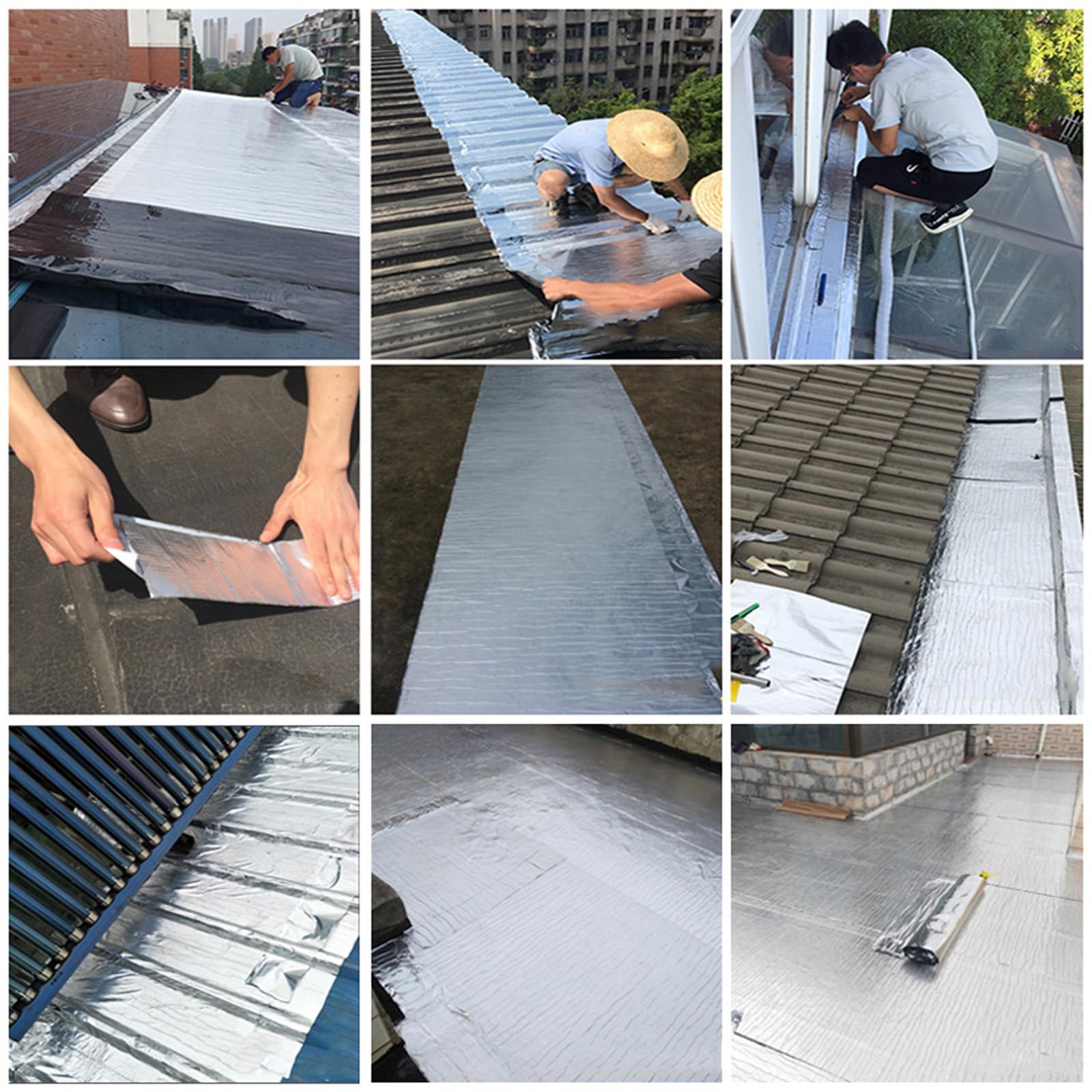
| Building Envelope & Construction | Flashing details, roof membrane repairs, window/door perimeters, and vapor barrier continuity in commercial structures | Accelerates project timelines versus liquid sealants; provides immediate weatherproofing during monsoon seasons or unpredictable weather events | Cold-weather adhesion ratings for European winters; high-tack formula for dusty Middle Eastern construction sites; fire-rated classifications for multi-story buildings |
| Automotive Manufacturing & EV Assembly | Underbody seam sealing, battery enclosure waterproofing for electric vehicles, and HVAC duct sealing in commercial transport | Lightweight alternative to mechanical fasteners; thermal management for EV batteries; eliminates galvanic corrosion risks between dissimilar metals | Automotive OEM material specifications; temperature cycling resistance (-40°C to +150°C); consistent unwind properties for robotic/automated application lines |
| Renewable Energy & Solar Infrastructure | Solar panel frame sealing, junction box waterproofing, and inverter cabinet moisture protection in utility-scale farms | Prevents Potential Induced Degradation (PID); extends module lifespan beyond 25-year warranties in harsh UV and thermal cycling environments | UV resistance ratings (5000+ hours QUV testing); compatibility with anodized aluminum frames; adhesion retention after extreme thermal cycling |
How Does Waterproof Aluminum Foil Tape Solve HVAC Challenges in Extreme Climates?
In regions like Saudi Arabia and Sub-Saharan Africa, HVAC systems operate under intense thermal stress and humidity that degrade standard adhesives. Waterproof aluminum foil tape with butyl rubber adhesive creates permanent airtight seals on ductwork and insulation vapor barriers, preventing condensation-induced corrosion and energy leakage in coastal or desert environments. For European markets facing strict energy efficiency directives, this tape ensures compliance with EN standards while offering immediate application without curing time. Buyers should prioritize tapes rated for 80°C+ continuous operation and verify adhesive performance in both desert heat and tropical humidity cycles.
What Role Does Foil Tape Play in Pipeline Corrosion Protection?
Subterranean and subsea pipelines across South America and the Middle East face aggressive corrosion under insulation (CUI) where moisture becomes trapped against metal surfaces. Heavy-duty waterproof aluminum foil tape acts as a primary moisture barrier when wrapped around pipe joints and flanges, particularly critical in offshore oil infrastructure and desert pipeline networks where temperature differentials create condensation. The tape’s conformability to irregular flange surfaces eliminates gaps that mechanical clamps miss. Procurement teams must specify 50-micron minimum thickness and UV-stabilized backings for exposed desert installations.
Why Is Aluminum Foil Tape Critical for Building Envelope Integrity?
Rapid urbanization in African and Middle Eastern commercial construction demands weatherproofing solutions that perform immediately upon application. Waterproof aluminum foil tape provides flashing continuity at roof penetrations, window perimeters, and membrane seams where liquid sealants require curing time vulnerable to sudden rain events. In German and European markets, it serves as a vapor barrier in energy-efficient building envelopes, preventing interstitial condensation within wall assemblies. Sourcing considerations include cold-temperature adhesion for alpine or winter construction sites and compatibility with EPDM or TPO roofing membranes.
How Does the Automotive Sector Utilize Waterproof Foil Tape?
German automotive manufacturers and emerging EV producers in Saudi Arabia and Brazil utilize waterproof aluminum foil tape for battery enclosure sealing and underbody corrosion protection. The tape provides lightweight thermal management for electric vehicle battery packs while sealing against pressure washers and road spray. Unlike mechanical fasteners, it eliminates galvanic corrosion risks between dissimilar metals. Buyers should demand automotive-grade specifications including temperature cycling resistance from -40°C to +150°C, adherence to OEM material standards, and consistent unwind properties for robotic application lines.
What Makes Foil Tape Essential for Solar Farm Durability?
Utility-scale solar installations in desert regions (North Africa, Saudi Arabia) and humid climates (Brazil) require frame sealing that withstands decades of thermal expansion and UV exposure. Waterproof aluminum foil tape applied to panel frames and junction boxes prevents potential induced degradation (PID) by blocking moisture ingress that disrupts electrical pathways. This application extends module lifespan beyond 25-year warranties. Procurement teams must verify UV resistance ratings (5000+ hours QUV testing), compatibility with anodized aluminum frames, and adhesion retention after thermal cycling between extreme day and night temperatures.
A stock image related to Waterproof Aluminum Foil Tape.
3 Common User Pain Points for ‘Waterproof Aluminum Foil Tape’ & Their Solutions
Scenario 1: How Do You Prevent Adhesive Failure in Extreme Climate Conditions?
The Problem:
B2B buyers operating across diverse geographic regions—from the scorching industrial zones of Saudi Arabia and the UAE to the severe freeze-thaw cycles of Germany and Northern Europe—frequently encounter catastrophic tape failure when technical specifications fail to account for thermal stress and UV exposure. Standard acrylic-based waterproof aluminum foil tape, while economically attractive for moderate HVAC applications, often experiences adhesive embrittlement or flow when surface temperatures exceed 80°C in desert climates or plummet below -20°C during European winters. This thermal mismatch results in edge lifting, delamination, and moisture ingress that compromise insulation integrity on commercial ductwork, roofing membranes, and pipe wrapping systems. Procurement teams frequently default to generic product datasheets without analyzing whether the adhesive chemistry—acrylic versus butyl rubber—aligns with the specific thermal expansion coefficients and diurnal temperature ranges of their operational environments.
The Solution:
Implement a climate-specific adhesive selection protocol based on ISO 9001-certified manufacturing standards. For high-temperature industrial environments prevalent in Middle Eastern and African markets, specify butyl rubber-based waterproof aluminum foil tape, which maintains bonding integrity across extreme ranges from -40°C to 120°C and offers superior resistance to thermal shock and oxidation. For European HVAC applications requiring Class 0 fire retardancy alongside waterproofing, select high-tack acrylic adhesives rated for continuous operation between -30°C and 90°C with reinforced fiberglass scrim backing. Always request temperature resistance documentation (UL 723 or EN 13501-1) and conduct site-specific adhesion testing on actual substrate samples before finalizing bulk procurement contracts to validate performance under local ambient conditions.
Scenario 2: What Certifications Are Required for Cross-Border Commercial Compliance?
The Problem:
International contractors and distributors managing cross-border projects—such as German engineering firms executing infrastructure in Nigeria, or Saudi developers sourcing materials for European commercial buildings—face significant compliance risks when waterproof aluminum foil tape lacks harmonized certification standards for fire safety and environmental regulations. Many B2B buyers discover post-delivery that their bulk shipments do not carry the necessary ASTM E84 (Surface Burning Characteristics), UL 181A-P/181B-F listings, or EN 13501-1 fire classifications required for commercial building codes in the EU, North America, and increasingly stringent Middle Eastern jurisdictions. This certification gap creates project delays, customs holds, and potential liability issues when tape is designated for critical fire-rated ductwork, smoke management systems, or insulation barriers in high-occupancy structures across multiple continents.
The Solution:
Establish a comprehensive dual-certification procurement checklist that prioritizes tapes meeting both regional fire safety mandates and international waterproofing benchmarks. For European markets, ensure compliance with CE marking and CPR (Construction Products Regulation) standards, while Middle Eastern projects typically require SASO Quality Marks or GCC conformity certificates alongside ASTM standards. African markets increasingly demand ISO 9001 quality management and specific smoke toxicity ratings (ASTM D2843). Request third-party test reports validating flame spread indices and smoke developed values before shipment, and partner with manufacturers capable of providing batch-specific compliance documentation and Certificate of Conformity (CoC) to satisfy diverse regulatory frameworks without requiring multiple SKU variations or costly re-labeling.
Scenario 3: Why Does Bulk Tape Fail on Challenging Industrial Substrates?
The Problem:
Procurement managers frequently encounter field application failures when bulk-ordered waterproof aluminum foil tape—often specified in standard 48mm or 50mm widths—proves inadequate for high-humidity industrial environments or contaminated surfaces common in South American mining operations, African construction sites, or Middle Eastern coastal facilities. Standard acrylic adhesives struggle to achieve initial tack on oily HVAC ductwork, dusty insulation boards, or moisture-laden concrete substrates prevalent in tropical climates, resulting in air leaks, waterproofing compromises, and callback costs. Additionally, mismatched width specifications create excessive seam overlap on small-diameter pipes or insufficient coverage on large industrial ductwork, wasting material and compromising seal integrity while slowing installation crews working under tight construction schedules.
The Solution:
Customize bulk specifications based on detailed substrate analysis and environmental condition assessments. For humid, dusty, or oily environments, specify tapes with aggressive pressure-sensitive butyl rubber adhesives formulated to displace surface moisture and bond to irregular, contaminated substrates without extensive surface preparation. Order custom widths (75mm, 100mm, or 150mm) tailored to specific pipe diameters and duct dimensions to minimize longitudinal seams and accelerate installation efficiency. Implement mandatory surface preparation protocols including degreasing with isopropyl alcohol and priming for galvanized metal substrates, and require manufacturers to provide application temperature guidelines specific to high-humidity climates (above 85% relative humidity). Consider self-wound foil tape variants for extremely dusty environments where traditional release liners attract airborne contamination during installation.
Strategic Material Selection Guide for Waterproof Aluminum Foil Tape
Selecting the appropriate substrate composition for waterproof aluminum foil tape represents a critical procurement decision that impacts project longevity across diverse climatic zones. B2B buyers operating in markets from Germany to Saudi Arabia must evaluate material specifications beyond basic aluminum content, considering factors such as thermal expansion coefficients, mechanical stress resistance, and adhesive compatibility with local environmental conditions. The following analysis examines four distinct material configurations commonly available in international supply chains, each offering specific performance characteristics for industrial waterproofing applications.
Which Aluminum Foil Thickness Provides Optimal Waterproofing for Industrial Applications?
Standard-grade pure aluminum foil tapes typically utilize 30-50 micron aluminum backings with acrylic adhesive systems. These materials excel in general-purpose HVAC sealing and indoor moisture barrier applications where cost efficiency takes precedence over extreme durability. The non-porous aluminum structure inherently blocks moisture vapor transmission, making this configuration suitable for climate-controlled environments in European manufacturing facilities. However, the thin gauge offers limited mechanical protection against abrasion, requiring careful handling during installation on African construction sites where dust and debris may compromise surface adhesion. Procurement teams should verify compliance with DIN standards when supplying German industrial markets.
How Does Glass Cloth Reinforcement Enhance Tape Durability in Harsh Environments?
Aluminum-glass cloth composite tapes integrate fiberglass mesh between aluminum layers or as a backing substrate, creating a reinforced structure capable of withstanding significant tensile stress. This material configuration proves essential for heavy-duty industrial waterproofing, particularly in Middle Eastern oil and gas infrastructure where tapes must endure thermal cycling between extreme desert heat and cooled pipeline interiors. The fiberglass component prevents tearing during application over irregular pipe geometries while maintaining flexibility for vibration absorption. Procurement teams should note that this reinforcement adds substantial weight and rigidity, potentially complicating installation in tight mechanical rooms and increasing freight costs for remote South American mining operations where accessibility remains challenging.
What Are the Advantages of PET-Laminated Aluminum Foil for Waterproofing Systems?
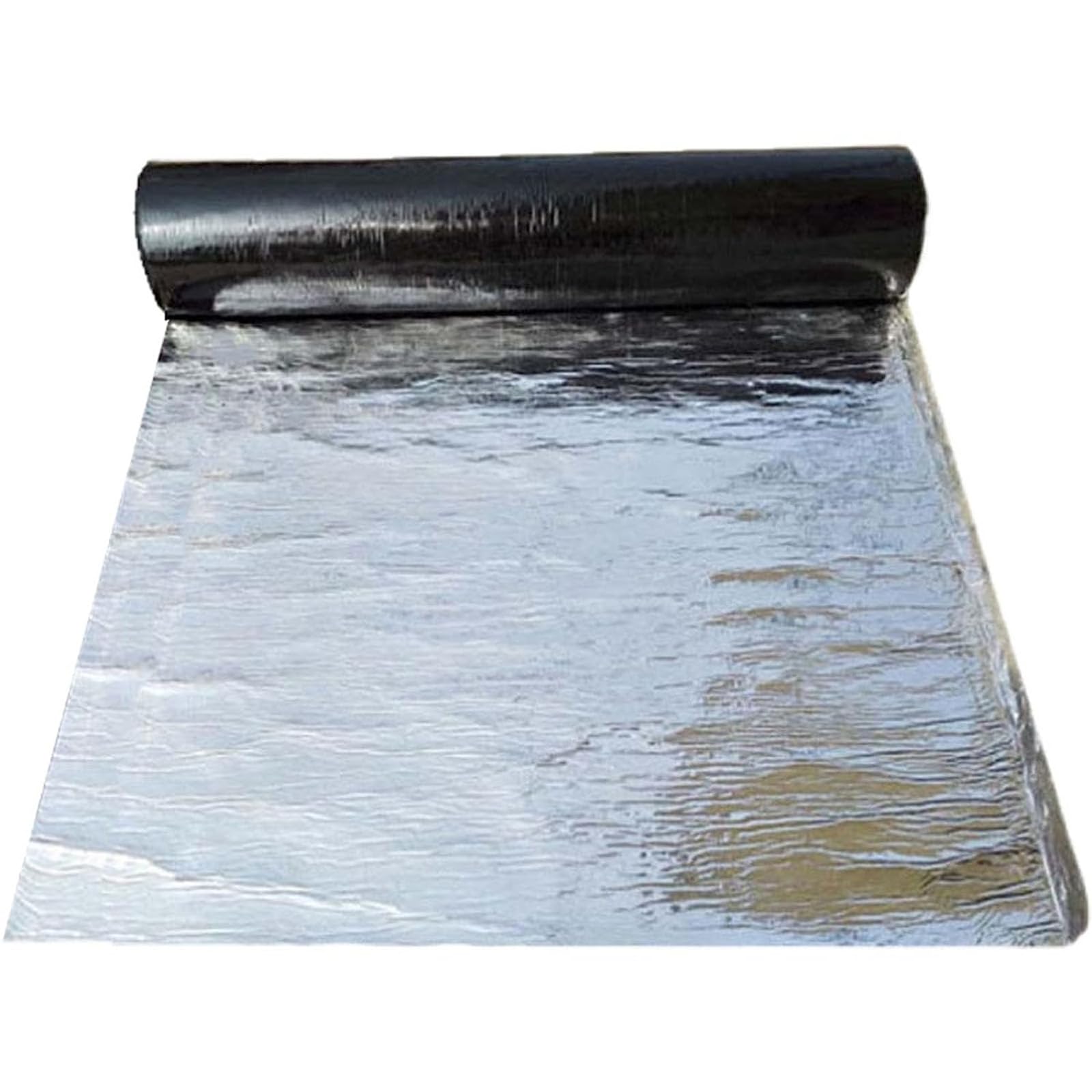
Aluminum-PET (polyester) laminate tapes combine aluminum foil with polyester film layers, delivering superior dimensional stability compared to pure aluminum
A stock image related to Waterproof Aluminum Foil Tape.
In-depth Look: Manufacturing Processes and Quality Assurance for Waterproof Aluminum Foil Tape
B2B procurement teams evaluating waterproof aluminum foil tape suppliers must look beyond surface specifications to understand the manufacturing rigor that ensures long-term sealing performance. The production of industrial-grade waterproof aluminum foil tape involves precision metallurgy, controlled chemical coating processes, and multi-stage quality validation that directly impacts reliability in HVAC, construction, and marine applications across diverse climates—from the humidity of West Africa to the extreme temperature fluctuations of the Middle East and European industrial zones.
How Is Waterproof Aluminum Foil Tape Manufactured in ISO-Certified Facilities?
Modern manufacturing begins with aluminum alloy selection, typically utilizing 8011 or 1235 aluminum alloys rolled to precise thicknesses between 30-150 microns depending on application requirements. The foil undergoes surface treatment—degreasing and corona treatment—to ensure optimal adhesive anchoring and eliminate oxidation that could compromise waterproof barriers.
Coating represents the critical differentiator between standard and waterproof grades. Manufacturers apply solvent-based acrylic or butyl rubber adhesives through precision gravure coating systems, maintaining coating weights between 40-80 gsm (grams per square meter) to balance adhesion strength with flexibility. Butyl rubber formulations particularly excel for waterproof applications, offering superior moisture vapor resistance and conformability to irregular substrates compared to standard acrylics.
The lamination process bonds the adhesive layer to the foil backing under controlled temperature (typically 100-150°C) and pressure, followed by curing chambers where solvent evaporation completes the chemical cross-linking essential for waterproof integrity. Finally, automated slitting equipment converts master rolls to specified widths while maintaining tight tolerances on edge straightness critical for automated application systems in high-volume German or Saudi Arabian manufacturing facilities.
What Raw Material Specifications Should Procurement Teams Verify?
Discerning buyers should request material certifications verifying aluminum purity levels exceeding 99.0% for corrosion resistance in coastal Middle Eastern or South American environments. The adhesive composition determines waterproof efficacy—acrylic adhesives suit general HVAC applications, while butyl rubber adhesives provide the viscoelastic sealing necessary for submersion-grade waterproofing in African infrastructure projects.
Release liner quality often indicates overall manufacturing standards; silicone-coated Kraft paper or poly-coated liners should demonstrate clean release characteristics without adhesive transfer. For European markets requiring REACH compliance, verify that adhesive formulations exclude restricted phthalates and heavy metals, while buyers sourcing for Middle Eastern projects should confirm materials comply with local chemical substance regulations.
Which In-Process Quality Control Checkpoints Ensure Consistent Waterproofing?
Leading manufacturers implement statistical process control (SPC) monitoring coating weight uniformity every 500 meters, ensuring adhesive distribution consistency that prevents channeling or voids where moisture could penetrate. Inline pinhole detection systems using optical scanners identify microscopic perforations in the aluminum substrate that would compromise vapor barriers in critical roofing or ductwork applications.
Peel adhesion testing occurs continuously during production, with automated sampling verifying initial tack (measured in oz/in or N/25mm) and 24-hour adhesion buildup. Temperature monitoring during the curing phase proves critical—insufficient curing leaves residual solvents that degrade waterproof performance, while excessive heat embrittles the adhesive polymer chains, reducing flexibility needed for expansion and contraction cycles.
How Do Laboratories Validate Waterproof Performance for Industrial Applications?
Quality assurance laboratories conduct accelerated aging protocols simulating five-year field exposure. Water vapor transmission rate (WVTR) testing per ASTM E96 measures moisture permeability, with premium waterproof tapes demonstrating values below 1.0 g/m²/day. Hydrostatic pressure testing subjects tape samples to increasing water column pressure (typically 1-2 meters for 24 hours) to validate seam integrity under standing water conditions common in roofing or marine applications.
Thermal cycling tests (-40°C to +120°C) verify that waterproof aluminum foil tape maintains adhesion and seal integrity across the temperature ranges encountered in German industrial facilities or Saudi Arabian outdoor installations. Salt spray testing (ASTM B117) for 500+ hours confirms corrosion resistance essential for coastal African and South American infrastructure projects exposed to marine atmospheres.
What Certifications and Compliance Documentation Should International Buyers Request?
For European markets including Germany, demand REACH and RoHS compliance certificates verifying absence of restricted substances. CE marking indicates conformity with EU construction product regulations, particularly important for building envelope applications. Middle Eastern buyers, particularly in Saudi Arabia, should verify SASO (Saudi Standards, Metrology and Quality Organization) certification or equivalent Gulf Standardization Organization (GSO) marks ensuring suitability for regional climate conditions.
ISO 9001:2015 certification demonstrates systematic quality management, while ISO 14001 indicates environmental manufacturing controls increasingly important for European procurement policies and corporate sustainability requirements. ASTM D3330 (peel adhesion), ASTM D3652 (thickness), and ASTM D3816 (waterproofness) test reports provide objective performance benchmarks for technical evaluation committees.
How Does Post-Manufacturing Handling Affect Waterproof Tape Efficacy?
Quality assurance extends beyond production to storage and shipping protocols. Manufacturers should maintain climate-controlled warehousing (15-25°C, 40-60% relative humidity) to prevent adhesive degradation or foil oxidation before shipment. Individual rolls require moisture-barrier packaging with desiccant inclusion for ocean freight to humid destinations in West Africa or South America.
Shelf life certification—typically 12-24 months from manufacture—should account for tropical storage conditions. Buyers should verify that suppliers conduct pre-shipment inspections checking roll edge alignment, core integrity, and adhesive surface uniformity to prevent application failures in automated dispensing systems. Proper palletization and container loading protocols prevent compression damage that could create micro-fractures in the foil backing, compromising waterproof performance before the product reaches the job site.
Practical Sourcing Guide: A Step-by-Step Checklist for ‘Waterproof Aluminum Foil Tape’
Procuring waterproof aluminum foil tape for international projects requires navigating technical specifications, regional compliance standards, and supply chain complexities. This checklist provides procurement teams with actionable criteria to evaluate suppliers, specify product requirements, and mitigate risks associated with cross-border industrial tape sourcing.
1. How Do You Define Critical Performance Specifications for Extreme Climates?
Begin by documenting your operational environment parameters. For Middle Eastern and African markets, prioritize UV-resistant acrylic adhesives rated for continuous exposure above 80°C, while European and South American buyers should verify low-temperature flexibility down to -30°C for cold-weather applications. Specify whether the tape will face constant submersion, high humidity, or intermittent moisture exposure, as this determines whether standard water-resistant grades or specialized butyl-rubber formulations are necessary.
2. Which Adhesive Chemistry Ensures Long-Term Waterproof Integrity?
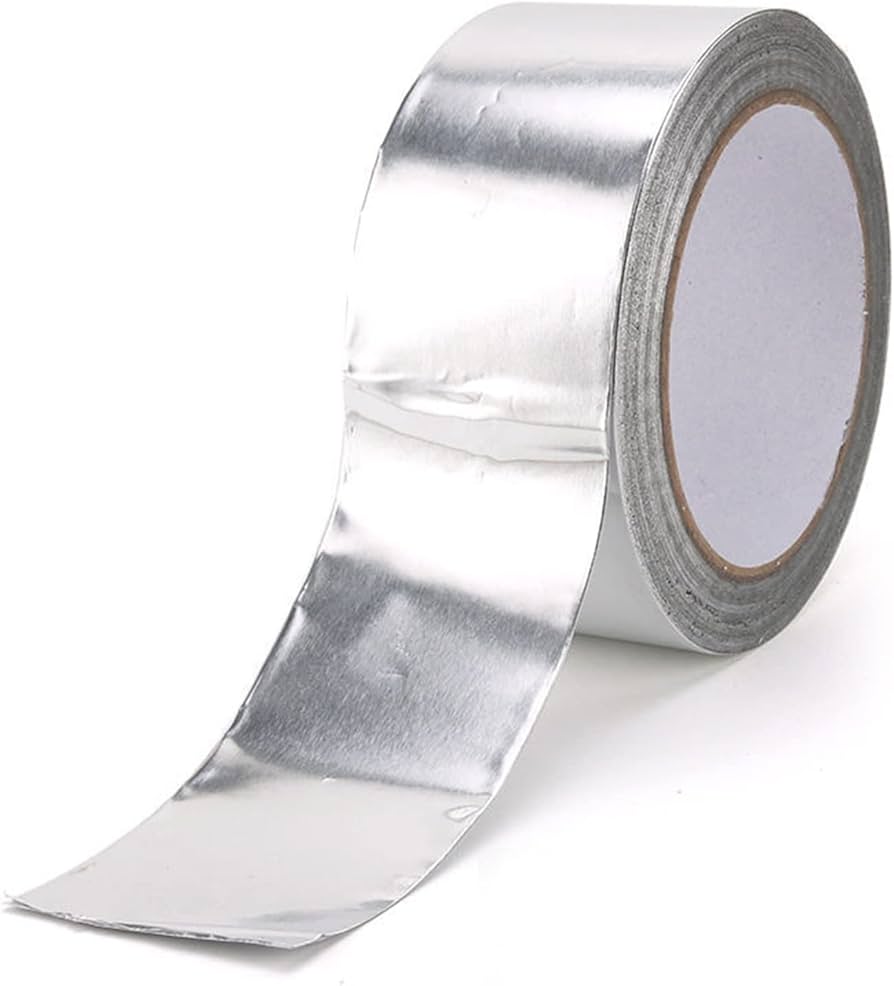
Distinguish between acrylic and butyl rubber adhesive systems based on permanence requirements. Acrylic adhesives suit HVAC duct sealing and temporary moisture barriers, offering clean removal and temperature resistance up to 150°C. For permanent waterproof seals in roofing, marine, or underground applications, specify butyl rubber adhesives that create molecular-level bonding with substrates and maintain integrity under hydrostatic pressure. Request adhesion strength data (measured in oz/in or N/25mm) specific to your target surfaces.
3. What Backing Thickness and Lamination Standards Should You Require?
Standard aluminum foil backings range from 30 to 150 microns. Specify 50+ micron thicknesses for structural waterproofing in construction projects, while 30-40 micron suits general insulation wrapping. For high-stress applications, demand reinforced laminates incorporating fiberglass mesh or PET layers that prevent tearing during application. Verify foil purity (99.0%+ aluminum content) to ensure corrosion resistance in coastal Middle Eastern or humid South American environments.
4. Which International Certifications Validate Quality for Your Region?
Require documentation proving compliance with destination market regulations. European buyers need REACH and RoHS certifications confirming absence of restricted substances. Saudi Arabian and Gulf region procurement should specify SASO (Saudi Standards, Metrology and Quality Organization) compliance. For African markets, verify ISO 9001:2015 quality management systems and request SGS or Intertek test reports validating waterproof claims under ASTM D570 or equivalent standards.
5. How Do You Evaluate Supplier Manufacturing Consistency?
Assess production capacity against your volume requirements, particularly for container-load orders. Verify the manufacturer maintains ±5% tolerance controls on adhesive coating weight and foil thickness. Request documentation of incoming raw material testing protocols and in-process quality checks. For German and other European industrial buyers, confirm the facility operates under documented 5S or Six Sigma manufacturing standards to ensure batch-to-batch consistency.
6. What Pre-Purchase Testing Protocols Confirm Field Performance?
Before committing to bulk orders, implement a three-phase sample validation process. First, conduct peel adhesion tests on your actual substrate materials at ambient temperatures. Second, perform accelerated aging tests by submerging samples in water for 72 hours at 50°C to simulate long-term waterproof performance. Finally, test application characteristics in your local climate conditions to verify tack levels and conformability match your installation teams’ requirements.
7. Which Packaging Specifications Prevent Transit Degradation?
Specify moisture-barrier packaging with desiccant inserts for ocean freight to tropical destinations. Require UV-protective wrapping for shipments to high-sunlight regions. Confirm core dimensions (typically 3-inch or 6-inch) compatibility with your automated dispensers. Request shelf-life documentation—quality acrylic systems maintain 12-18 months storage stability, while butyl formulations often require climate-controlled warehousing to prevent premature curing.
A stock image related to Waterproof Aluminum Foil Tape.
Comprehensive Cost and Pricing Analysis for Waterproof Aluminum Foil Tape Sourcing
Waterproof aluminum foil tape pricing fluctuates based on material specifications, adhesive chemistry, and supply chain logistics that vary significantly across international markets. For procurement teams sourcing from manufacturing hubs to end-users in Africa, South America, the Middle East, and Europe, understanding these cost drivers is essential for optimizing budgets without sacrificing application performance.
What Raw Material Specifications Drive Cost Variations?
The aluminum foil backing thickness serves as the primary pricing variable, with standard gauges ranging from 25-micron to 75-micron. Thicker foils (50-micron+) provide enhanced puncture resistance for heavy-duty waterproofing but increase material costs by 20-35% compared to standard HVAC grades. Adhesive selection creates additional cost stratification: water-based acrylic formulations offer economical sealing for indoor applications, while solvent-based acrylic or butyl rubber adhesives—critical for outdoor waterproofing in extreme climates—add 15-25% to unit costs due to superior weather resistance and bonding strength.
How Do Manufacturing Complexities Affect Unit Economics?
Multi-layer lamination processes, such as aluminum-PET composites or reinforced fiberglass scrim integration, elevate manufacturing costs by 30-40% but deliver extended service life in demanding environments. Custom printing for brand identification or application-specific color coding typically requires MOQs of 5,000+ rolls and adds $0.02-0.05 per linear meter. Release liner selection also impacts pricing; silicone-coated paper liners cost less than film liners but may degrade in high-humidity shipping conditions common in tropical African or South American ports.
What Volume Thresholds Optimize Procurement Costs?
Standard MOQs from Chinese manufacturers typically start at 3,000-5,000 rolls for generic specifications, while customized adhesive formulations may require 10,000+ roll commitments. Container-level purchasing (20-foot FCL containing approximately 350,000 square meters) generally unlocks 18-22% discounts compared to LCL shipments. Buyers should negotiate annual volume agreements rather than spot purchasing to secure price stability amid aluminum commodity fluctuations.
How Do Regional Logistics Impact Total Landed Costs?
Shipping aluminum foil tape from Asia to Germany or Saudi Arabia incurs freight costs representing 15-25% of product value for sea freight, escalating to 60-80% for air freight—relevant for urgent infrastructure maintenance. Import duty structures vary significantly: the EU applies standard customs duties of 6-8% on adhesive tapes, while Mercosur nations may impose 12-18% tariffs on aluminum products. Middle Eastern markets often require SASO certification, adding compliance costs of $500-1,200 per shipment batch.
Are There Hidden Costs in Quality Assurance?
Pre-shipment third-party inspection services (SGS, Bureau Veritas) typically cost $300-600 per container but prevent costly disputes over adhesive aging or foil thickness discrepancies. Waterproof performance testing to IP67 or ASTM D3310 standards adds certification fees but is essential for construction tenders in European and Gulf Cooperation Council markets. Buyers should clarify whether factory quotes include these validation costs or if they represent additional procurement line items.
Strategic sourcing requires balancing upfront material savings against long-term performance reliability and compliance costs. By analyzing these cost dimensions, B2B buyers can structure supply agreements that deliver consistent waterproofing performance while maintaining competitive unit economics across diverse regional markets.
Alternatives Analysis: Comparing Waterproof Aluminum Foil Tape With Other Solutions
When specifying sealing solutions for moisture-critical infrastructure, procurement teams often evaluate multiple technologies beyond aluminum foil systems to balance performance requirements with regional availability and project budgets. Understanding how waterproof aluminum foil tape performs against specialized alternatives ensures optimal material selection for specific environmental conditions, whether managing HVAC networks in Germany or weatherproofing outdoor installations in Saudi Arabia and Brazil.
| Comparison Aspect | Waterproof Aluminum Foil Tape | Butyl Rubber Tape | Mastic Sealant with Mesh Fabric | Self-Amalgamating Silicone Tape |
|---|---|---|---|---|
| Moisture Barrier Effectiveness | Excellent (non-porous metal backing) | Superior (thick rubber compound) | Excellent (when fully cured) | Good (requires proper layering) |
| Temperature Tolerance | -40°C to 150°C | -40°C to 90°C | -30°C to 80°C | -50°C to 260°C |
| Application Speed | Immediate bond, no curing | Immediate bond, no curing | 24-48 hour curing period | Immediate self-fusion |
| Surface Conformability | High (conforms to irregular surfaces) | Very High (extremely pliable) | Moderate (rigid when cured) | High (stretches 300%) |
| Material Cost Index | $ (Economical) | $$ (Premium) | $ (Low material, high labor) | $$$ (Specialized) |
| UV Stability | Excellent (reflective backing) | Poor (requires overwrapping) | Good (with aluminum coating) | Poor (degrades in sunlight) |
| Repairability | Easy (peel and replace) | Difficult (permanent bond) | Difficult (requires removal) | Moderate (cut and rewrap) |
How Does Butyl Rubber Tape Compare for Extreme Weatherproofing Applications?
Butyl rubber tape delivers exceptional conformability through its thick, rubberized compound, creating superior seals on porous masonry or irregular metal substrates common in construction sites across Africa and South America. Unlike aluminum foil tape’s immediate heat reflection and metal durability, butyl formulations absorb thermal energy and typically degrade when continuous temperatures exceed 90°C, limiting their use near furnace components or engine bays in industrial settings. While material costs run 30-40% higher per linear meter than aluminum alternatives, butyl tape eliminates the need for perfect surface preparation and provides acoustic dampening properties valuable in HVAC installations. However, procurement teams must factor in additional UV-protective coatings or metal overwraps for outdoor Middle Eastern applications, as direct sun exposure causes rapid oxidation and adhesive failure in pure butyl systems, potentially increasing lifecycle costs despite lower initial labor requirements.
Is Mastic Sealant with Mesh Fabric Suitable for Large-Scale Industrial HVAC Systems?
Mastic sealant combined with reinforced mesh fabric remains prevalent in European industrial markets, particularly for large-diameter ductwork where German building codes emphasize permanence over repairability. This two-component system excels at filling gaps exceeding 3mm and creating monolithic seals that withstand decades of static pressure, though it requires
Essential Technical Properties and Trade Terminology for Waterproof Aluminum Foil Tape
When sourcing waterproof aluminum foil tape for international infrastructure projects, understanding the distinction between marketing claims and measurable technical specifications prevents costly specification errors. The following critical properties and standardized industry terminology enable procurement teams to align product capabilities with regional climate demands and application methodologies.
What Technical Specifications Determine Long-Term Waterproof Integrity?
Backing Thickness and Alloy Grade directly impact puncture resistance and conformability. Industrial-grade waterproof tapes utilize 30–50 micron (1.2–2.0 mil) dead-soft aluminum alloy 8011, balancing structural integrity with the ability to mold around irregular ductwork geometries without tearing during installation.
Adhesive Peel Adhesion Strength, quantified in Newtons per 25mm (N/25mm) or ounces per inch, determines bond longevity under hydrostatic pressure. Butyl rubber adhesives deliver aggressive permanent bonding (>60 oz/in) for sub-grade pipe wrapping in African mining operations, while solvent acrylics (20–40 oz/in) offer repositionability for HVAC maintenance in Middle Eastern climates.
Water Vapor Transmission Rate (WVTR) represents the definitive metric for moisture protection. High-performance waterproof tapes achieve WVTR below 0.05 g/m²/24hr, creating impermeable barriers essential for refrigeration units and tropical climate insulation facing in South American facilities.
Service Temperature Range must distinguish between application temperature (minimum for initial bond formation) and service temperature (continuous exposure limits). Premium formulations withstand -40°C to +150°C, accommodating both Saudi Arabian desert heat and German winter installation conditions without adhesive embrittlement or flow.
Which Trade Terms Are Essential for Cross-Border Procurement?
FSK (Foil-Scrim-Kraft) refers to reinforced backing incorporating fiberglass mesh between aluminum and kraft paper. While common in North American insulation facing, FSK tapes tear more easily than pure foil variants and require distinct adhesive systems for true waterproof sealing in marine environments.
Self-Wound vs. Linered Construction impacts automation compatibility and waste reduction. Self-wound tapes (linerless) reduce material costs for manual African and South American construction sites, while silicone-lined versions facilitate precision die-cutting for European OEM manufacturing processes.
Cold Weather Adhesion specifications indicate minimum application temperatures without bond failure. Standard acrylic adhesives fail below 10°C, necessitating low-temperature formulations (LT-rated) for reliable winter installation in elevated European terrains or desert night environments where surface temperatures drop rapidly.
UL 723 / ASTM E84 Class A Ratings denote flame spread and smoke development indices. Mandatory for Saudi Arabian SBC and German DIN 4102-1 compliance, these certifications verify that waterproof tapes do not compromise fire safety in commercial building envelopes and oil/gas facilities.
Dead Soft Annealing describes the metallurgical state of the aluminum backing. Fully annealed foil provides 3–5% elongation, enabling technicians to achieve wrinkle-free application on complex duct elbows without stress cracking that would otherwise compromise waterproof seals.
Aggressive vs. Permanent Adhesion classifications guide maintenance strategies. Aggressive tack facilitates immediate grab on dusty Middle Eastern construction surfaces, while permanent butyl formulations ensure decades-long submersion resistance for underground pipeline protection in municipal water systems.
Navigating Market Dynamics and Sourcing Trends in the Waterproof Aluminum Foil Tape Sector
How Is the Global Waterproof Aluminum Foil Tape Market Reshaping B2B Procurement Strategies?
The waterproof aluminum foil tape sector is experiencing robust expansion driven by intensifying infrastructure investments across Africa, South America, and the Middle East, where rapid urbanization demands reliable moisture barrier solutions for HVAC systems and building envelopes. B2B procurement teams are witnessing a decisive paradigm shift from conventional mechanical fastening and liquid sealants toward high-performance adhesive solutions that offer superior waterproofing integrity and thermal management in a single application. In regions like Saudi Arabia and Germany, stringent building energy codes and green construction initiatives are accelerating demand for premium-grade foil tapes capable of maintaining airtight seals across extreme temperature differentials ranging from -40°C to 120°C. Meanwhile, raw material volatility—particularly aluminum price fluctuations and specialized adhesive chemical shortages—requires procurement officers to adopt agile sourcing strategies with multiple qualified suppliers and strategic safety stock protocols. The market is also experiencing significant premiumization, with technical buyers increasingly specifying butyl rubber-based formulations over standard acrylic for critical waterproofing applications in underground construction, marine environments, and cryogenic insulation where zero moisture permeability is non-negotiable.
What Regional Supply Chain Dynamics Should International Buyers Monitor?
Sourcing waterproof aluminum foil tape across diverse geographies necessitates nuanced understanding of regional regulatory frameworks, climatic demands, and logistical constraints that vary significantly between European, Middle Eastern, African, and South American markets. European procurement teams, particularly in Germany, must ensure compliance with REACH regulations, RoHS directives, and increasingly stringent low-VOC emissions standards, often requiring solvent-free acrylic or hot-melt butyl adhesive formulations with comprehensive chemical disclosure documentation. Conversely, Middle Eastern buyers in markets like Saudi Arabia prioritize heat resistance specifications exceeding 150°C to withstand extreme ambient temperatures and solar thermal gain in unconditioned mechanical spaces, while also requiring UV-stabilized backings for outdoor exposure. African and South American buyers face unique challenges regarding port infrastructure limitations, fluctuating import duties, and complex customs documentation, making regional warehousing strategies and authorized distributor partnerships essential for maintaining critical project timelines. Astute B2B buyers are diversifying their supplier base beyond traditional East Asian manufacturing hubs to include ISO-certified regional converters who can provide technical customization—such as fiberglass reinforcement, embossed textures for better conformability, or color-coded variants for phase identification—while reducing shipping lead times and mitigating currency exchange risks.
Why Is Sustainable Adhesive Technology Becoming Critical in Waterproof Foil Tape Manufacturing?
Sustainability has transitioned from a peripheral marketing differentiator to a core procurement mandate, particularly for European and Middle Eastern buyers facing rigorous Scope 3 emissions reporting requirements and circular economy regulations. The industry is witnessing a decisive technological shift from traditional solvent-based acrylic adhesives to innovative water-based systems and synthetic rubber hot-melt formulations that significantly reduce volatile organic compound (VOC) emissions during both manufacturing and on-site application. B2B buyers should scrutinize Material Safety Data Sheets (MSDS) for hazardous substance content including formaldehyde and benzene derivatives, while prioritizing tapes utilizing recycled aluminum content—currently achievable at 50-75% post-consumer ratios without compromising the waterproof integrity or tensile strength required for industrial HVAC applications. Furthermore, linerless or self-wound tape technologies are gaining significant traction as they eliminate silicone-coated release paper waste entirely, addressing landfill concerns while reducing material costs by 8-12% per linear meter and simplifying waste management protocols for construction contractors. Forward-thinking procurement teams are also evaluating bio-based adhesive alternatives derived from natural rubber or plant-based acrylics, which offer comparable moisture resistance while supporting corporate renewable material targets and reducing dependency on petrochemical supply chains subject to geopolitical volatility.
How Can B2B Buyers Verify Ethical Sourcing and Environmental Compliance in Aluminum Foil Tape Supply Chains?
Verifying ethical provenance requires moving beyond surface-level certifications to conduct thorough audits of bauxite mining practices, smelter energy sources, and adhesive chemical supply chains that often obscure environmental and labor violations. Responsible procurement teams should mandate ISO 14001 environmental management certifications, Conflict Minerals Reports (CMR), and SA8000 social accountability documentation from suppliers, ensuring aluminum sourcing excludes high-risk mining regions associated with deforestation and poor labor standards. For comprehensive sustainability verification, buyers can request third-party verified Environmental Product Declarations (EPD) and Health Product Declarations (HPD) that quantify carbon footprint, embodied energy, and chemical hazards across the complete product lifecycle—from bauxite extraction and alumina refining to end-of-life recyclability. Given that aluminum foil tape is theoretically infinitely recyclable but often rendered non-recyclable by adhesive contamination and multi-layer lamination, forward-thinking buyers are partnering with manufacturers offering closed-loop take-back programs or those utilizing removable adhesive technologies that facilitate clean material separation. Establishing these rigorous vetting protocols not only mitigates regulatory risks in stringent markets like Germany and the EU but also aligns with corporate ESG targets increasingly prioritized by institutional investors and government contractors across African and South American infrastructure development sectors.
Frequently Asked Questions (FAQs) for B2B Buyers of Waterproof Aluminum Foil Tape
What is the temperature resistance range of waterproof aluminum foil tape for industrial HVAC applications?
Industrial-grade waterproof aluminum foil tape typically withstands continuous operating temperatures from -30°C to 150°C (-22°F to 302°F), with short-term resistance up to 200°C (392°F) depending on the adhesive formulation. For HVAC ductwork applications, specify products rated to UL 181 standards, which mandate stability at 66°C (150°F) under humidity cycling conditions common in Middle Eastern climates. While the aluminum backing itself melts at 660°C (1220°F), the acrylic adhesive usually degrades before this threshold, making solvent-based acrylic preferable for high-heat industrial environments near furnace installations.
How does waterproof aluminum foil tape compare to butyl rubber tape for commercial sealing projects?
Aluminum foil tape provides superior thermal reflectivity (up to 95%) and structural rigidity essential for HVAC ducts and metal repairs, whereas butyl rubber tape excels in conformability for irregular surfaces and maintains permanent flexibility under settlement stress. Butyl tape typically offers higher initial tack and better adhesion to damp surfaces, but lacks the temperature resistance and EMI shielding capabilities required for industrial electrical applications. For commercial building envelopes requiring both thermal management and waterproofing, laminated foil-butyl hybrid tapes offer an optimal solution, though pure aluminum foil tape remains the code-compliant standard for rigid duct sealing in German and Saudi Arabian construction markets.
What UL or ASTM certifications should waterproof aluminum foil tape have for commercial building compliance?
For commercial building compliance across European and Middle Eastern markets, specify tapes carrying UL 181A-P or UL 181B-FX certification for HVAC applications, and UL 723 (ASTM E84) for surface burning characteristics required by civil defense authorities. ASTM D3330 (peel adhesion), ASTM D3652 (thickness), and ASTM D3759 (tensile strength) certifications verify mechanical performance under load, while RoHS and REACH compliance ensure unrestricted import into EU countries and Saudi Arabia. For African infrastructure projects, additional ISO 9001:2015 quality management certification and SGS VOC testing reports facilitate smoother customs clearance and contractor approval processes.
What are the standard width and adhesive specifications for bulk orders of waterproof aluminum foil tape?
Standard bulk specifications include widths of 48mm, 72mm, and 96mm (2″, 3″, 4″) supplied on 50m or 100m rolls, with custom slitting available for container orders exceeding 5,000 rolls. Adhesive options typically feature 25-35 micron solvent-based acrylic for high-performance applications in tropical climates, or water-based acrylic for eco-conscious European markets, applied at 40-60 gsm coating weight for optimal balance between tack and shear strength. Foil thickness ranges from 30 micron (standard HVAC) to 150 micron (heavy-duty industrial), with release-treated polyethylene liners to prevent adhesive transfer during high-humidity container shipping to ports like Lagos or Santos.
How do I ensure proper surface preparation for waterproof aluminum foil tape in high-humidity climates?
In high-humidity environments common to African and South American markets, substrate preparation requires mechanical abrasion followed by solvent cleaning using isopropyl alcohol to remove moisture films, oxidation, and mold-release agents from metal surfaces. Apply tape only when surface temperature exceeds 10°C and relative humidity falls below 85%, utilizing adhesion promoters for porous concrete or painted surfaces to prevent outgassing that compromises the seal. For critical waterproofing in coastal Middle Eastern regions, specify tapes with butyl rubber adhesive layers rather than pure acrylic, as butyl maintains superior molecular adhesion under persistent moisture exposure and salt-air corrosion.
What is the difference between solvent acrylic and water-based acrylic adhesive for international export?
Solvent-based acrylic adhesives offer superior initial tack (1.5-2.0 kg/25mm) and resistance to plasticizer migration from flexible ducts, making them ideal for high-temperature HVAC applications in the Middle East, though they face stricter VOC regulations in Germany and other EU nations. Water-based acrylics provide environmentally compliant solutions with lower odor and easier customs clearance in eco-sensitive markets, but require 24-72 hours curing time to achieve optimal adhesion and perform poorly in high-humidity application conditions. For distributors serving multiple regions, specify solvent-based formulations with SGS VOC testing and EN 13501-1 fire classification to ensure compliance across diverse regulatory environments from Europe to South America.
How do I calculate the correct roll length and pallet configuration for container shipping?
Standard palletization includes 48-72 rolls per carton depending on width, with 48-64 cartons per 1.2m x 1.0m pallet, allowing approximately 20-22 pallets in a 40ft High Cube container while maintaining safe weight distribution below 28,000 kg gross. Calculate roll length based on crew efficiency; 50m rolls optimize handling for manual construction applications,
Important Disclaimer & Terms of Use
⚠️ Important Disclaimer
The information provided in this guide, including content regarding manufacturers, technical specifications, and market analysis, is for informational and educational purposes only. It does not constitute professional procurement advice, financial advice, or legal advice.
B2B buyers must conduct their own independent and thorough due diligence before making any purchasing decisions. The risk of relying on any information in this guide is borne solely by the reader.
Top 1 Waterproof Aluminum Foil Tape Manufacturers & Suppliers List
1. Tape Suppliers – Aluminum Foil Tape
Domain: tapesuppliers.com
Registered: 2007 (19 years)
Introduction: Also known as aluminum tape or aluminum foil tape. Key properties include chemical resistance, light reflectance, weatherability, flame resistance, and moisture resistance. Primary applications include electrical, HVAC, construction, and industries requiring electrical or thermal conductivity. Not evaluated or approved for medical industry applications.
Strategic Sourcing Conclusion and Outlook for Waterproof Aluminum Foil Tape
How Can Buyers Ensure Long-Term Waterproof Performance in Extreme Climates?
For procurement teams sourcing for Saudi Arabia’s intense heat or Brazil’s humid coastal regions, adhesive selection determines project longevity. Butyl rubber formulations excel in tropical moisture management, while high-grade acrylic adhesives maintain integrity in German industrial freezers and Middle Eastern HVAC systems. Demand comprehensive weathering test data and verify aluminum thickness specifications exceeding 30 microns. Remember that proper surface preparation—removing oxidation and ensuring dryness—remains the primary determinant of seal durability across African and South American construction environments.
What Strategic Factors Should Global Procurement Teams Prioritize?
Beyond unit pricing, evaluate manufacturers’ capacity for consistent bulk supply chains and compliance with regional standards such as EU REACH or Saudi SASO certifications. Assess logistics reliability for container-level orders to remote sites, and insist on pre-shipment adhesion testing using your specific substrates. Establish partnerships with suppliers offering technical application support, as improper installation training often causes waterproofing failures in international infrastructure projects.
How Is the Waterproof Aluminum Foil Tape Market Evolving?
The sector is accelerating toward eco-conscious solvent-free adhesives and enhanced thermal-reflective laminates driven by global energy efficiency mandates. Forward-thinking buyers should monitor innovations in self-wound formats that reduce packaging waste while improving application speed on large-scale projects. As European and Middle Eastern markets increasingly demand carbon footprint documentation, selecting suppliers with certified sustainable manufacturing processes will secure competitive advantage in tomorrow’s tendering environments.