Introduction: Navigating the Global Market for HVAC Foil Tape
Sourcing HVAC foil tape for large-scale climate control infrastructure presents a complex procurement challenge where material specifications, regional compliance standards, and supply chain reliability intersect. For international buyers managing projects across Africa’s demanding heat, South America’s humidity variations, the Middle East’s extreme temperatures, or Europe’s stringent efficiency regulations, selecting the wrong adhesive backing or foil thickness can result in costly system failures, energy leakage, and regulatory non-compliance.
What critical factors should buyers evaluate when procuring HVAC aluminum tape across global markets?
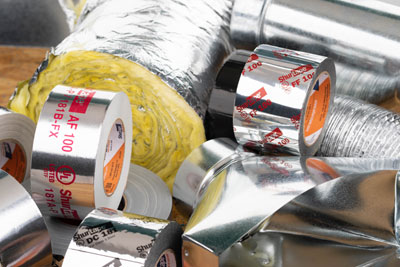
This comprehensive guide addresses the technical complexities of global HVAC foil tape procurement, from distinguishing between acrylic and hot-melt adhesive formulations to understanding UL181A-P and UL181B-FX certification requirements. We examine specialized variants including FSK (Foil-Scrim-Kraft) laminates for vapor barrier applications and glass cloth reinforced tapes for high-temperature industrial environments, ensuring you match specific product capabilities to regional climate demands.
How can international buyers optimize costs while ensuring compliance in diverse regions?
Beyond technical specifications, this resource provides actionable frameworks for supplier vetting, cost-benefit analysis across bulk purchasing tiers, and logistics optimization for markets in Germany, Saudi Arabia, and emerging economies. Whether you are specifying tapes for rigid fiberglass duct boards in European commercial buildings or flexible air duct systems in Middle Eastern infrastructure projects, this guide equips you with the technical knowledge and procurement strategies necessary to make confident, specification-compliant purchasing decisions that optimize both performance and total cost of ownership.
Understanding HVAC Foil Tape Types and Variations
| Type Name | Key Distinguishing Features | Primary B2B Applications | Brief Pros & Cons for Buyers |
|---|---|---|---|
| Acrylic Adhesive Foil Tape | Pressure-sensitive acrylic adhesive; 2.0+ mil aluminum backing; UL 181A-P/B-FX listed; -40°C to 149°C range; UV resistant | Rigid fiberglass duct boards; flexible air duct systems; outdoor HVAC installations; code-compliant commercial projects | Pros: Superior temperature/UV resistance; long-term durability; international compliance standards. Cons: Premium pricing; requires meticulous surface preparation |
| Hot Melt Rubber Resin Foil Tape | Synthetic rubber resin adhesive; aggressive initial tack; moderate temperature performance; cost-effective construction | Mineral wool insulation sealing; fiberglass duct connections; quick repair applications; indoor residential/light commercial | Pros: Excellent immediate grab; economical for bulk procurement; easy hand-tear application. Cons: Poor UV resistance; limited high-temp performance; shorter service lifespan |
| FSK (Foil-Scrim-Kraft) Tape | Tri-layer composite (aluminum foil, fiberglass scrim, kraft paper); high tensile strength; low moisture vapor transmission | Vapor barrier sealing; refrigeration systems; foil-faced insulation joining; chilled water piping protection | Pros: Exceptional mechanical strength; superior moisture barrier; writable kraft surface. Cons: Reduced flexibility; bulkier profile; kraft layer vulnerable to pre-installation moisture |
| Aluminum Foil Glass Cloth Tape | Glass cloth backing laminated with aluminum; extreme heat resistance (up to 600°F/315°C); chemical and abrasion |
Key Industrial Applications of HVAC Foil Tape
| Industry/Sector | Specific Application of HVAC Foil Tape | Value/Benefit for the Business | Key Sourcing Considerations for this Application |
|---|---|---|---|
| Commercial Construction & Infrastructure Development | Sealing rigid fiberglass ductboard and flexible air duct systems in high-rise buildings and commercial complexes | Reduces energy consumption by preventing air leakage; ensures compliance with green building certifications; minimizes HVAC system load in extreme climates | UV-stabilized acrylic adhesive for tropical storage; high initial tack for dusty metal surfaces; compliance with local building codes (e.g., EN standards in Europe, SASO in Saudi Arabia) |
| Oil, Gas & Petrochemical Processing | Thermal insulation sealing for process piping, vessels, and HVAC ductwork in refineries and chemical plants | Prevents corrosion under insulation (CUI); maintains process temperature integrity; enhances safety compliance in hazardous environments | FSK or glass cloth reinforcement for mechanical strength; flame retardancy certifications (UL 723, ASTM E84); chemical resistance for hydrocarbon exposure; bulk packaging for MRO inventory |
| Cold Chain Logistics & Food Processing | Sealing refrigeration ductwork, insulated transport containers, and walk-in cooler seams | Maintains temperature integrity to reduce spoilage; prevents condensation and mold growth; improves energy efficiency in continuous cooling operations | Very low moisture vapor transmission rate (MVTR); low-temperature adhesive performance; mold-resistant formulations; compatibility with polyis |
A stock image related to HVAC Foil Tape.
3 Common User Pain Points for ‘HVAC Foil Tape’ & Their Solutions
International B2B buyers frequently encounter specific technical challenges when specifying HVAC foil tape for large-scale projects across diverse climates and regulatory environments. Below are three critical scenarios and actionable solutions to ensure optimal performance and compliance.
Scenario 1: Adhesion Failure Under Extreme Temperature Fluctuations
The Problem: Procurement teams sourcing for projects in regions with severe climate variations—from the intense heat of Saudi Arabian deserts to the freezing winters of Northern Europe—often experience catastrophic tape failure when products lack adequate thermal resilience. Hot melt adhesive tapes may soften and delaminate when duct surface temperatures exceed 60°C, while low-grade acrylic formulations become brittle and lose tack in sub-zero environments. This degradation results in seam separation, compromised vapor barriers, and significant energy leakage, particularly critical in commercial installations where ductwork traverses unconditioned mechanical spaces.
The Solution: Specify HVAC aluminum foil tape with pressure-sensitive acrylic adhesive engineered for operational temperature ranges of -40°C to 149°C (-40°F to 300°F). For rigid fiberglass duct board applications, mandate UL 181A-P listed products that maintain adhesion integrity under thermal cycling conditions. In high-temperature industrial environments exceeding standard ranges, transition to aluminum foil glass cloth tape, which provides superior dimensional stability and heat resistance. Prioritize surface preparation protocols: ensure all substrates are clean, dry, and free of oil, dust, or oxidation before application to guarantee proper molecular bonding and long-term seal integrity.
Scenario 2: Regulatory Non-Compliance and Project Delays
The Problem: Buyers frequently face rejected shipments, failed inspections, and contractual penalties when supplied tape fails to meet regional HVAC codes. In strict regulatory markets like Germany and across the Middle East, confusing standard cloth duct tape with certified HVAC foil tape results in immediate code violations. Without proper UL listings, contractors cannot validate system integrity for commercial buildings, leading to costly project delays, rework expenses, and potential liability issues regarding fire safety and mold resistance standards.
The Solution: Require UL 181A-P listing for all rigid duct board sealing applications and UL 181B-FX certification for flexible air duct connections. These listings ensure the tape meets stringent requirements for flame resistance, adhesion strength, and mold growth inhibition. For insulation facing repairs and vapor barrier maintenance, specify FSK (Foil-Scrim-Kraft) tape, which combines aluminum foil, fiberglass scrim reinforcement, and kraft paper to meet mechanical durability and moisture barrier standards. Always request third-party certification documentation and test reports from manufacturers before shipment to prevent customs clearance delays and ensure compliance with local building authorities.
Scenario 3: Installation Inefficiency and Airtightness Failures
The Problem: Installation crews often struggle to achieve airtight seals due to improper application techniques, particularly when working with reinforced fiberglass duct board or flexible connectors in large-scale developments across Africa and South America. Common failures include applying tape without adequate pressure, creating wrinkles or air bubbles beneath the surface, or attempting to bond over contaminated or moist substrates. These errors create thermal bridges and air leakage pathways that can reduce HVAC system efficiency by 20-30%, directly impacting operational energy costs and system performance in commercial buildings.
The Solution: Implement standardized application protocols utilizing 2.0 mil aluminum foil backing tape with easy-release poly-coated kraft paper liners. Train technicians to apply firm, consistent pressure using a plastic squeegee or roller to fully activate the pressure-sensitive adhesive and eliminate voids. Ensure minimum 2-inch overlaps on all longitudinal seams and termination points. For high-stress joints or insulation facing requiring mechanical durability, utilize HVAC foil scrim tape with fiberglass reinforcement to prevent tearing during installation. Conduct preliminary adhesion testing on site-specific substrates to verify compatibility with local environmental humidity and temperature conditions before full-scale deployment.
Strategic Material Selection Guide for HVAC Foil Tape
Selecting the optimal substrate and adhesive combination for HVAC foil tape requires balancing thermal performance, mechanical durability, and regional climate demands. For procurement teams operating across diverse environments—from the humid coastal regions of West Africa to the extreme temperature fluctuations of the Middle East and European industrial zones—understanding material specifications ensures compliance with international standards while minimizing system energy loss. The following analysis examines four primary material constructions, evaluating their suitability for specific commercial and industrial applications across these key markets.
Which HVAC Foil Tape Material Provides Superior Moisture Resistance for Tropical Environments?
Pure aluminum foil tapes utilizing pressure-sensitive acrylic adhesives represent the industry standard for vapor sealing and general duct closure in demanding climates. Featuring a 2.0 mil aluminum backing, these tapes offer excellent conformability for sealing rigid fiberglass duct board and flexible air connectors while maintaining operational integrity from -40°C to 149°C. The acrylic adhesive layer delivers exceptional UV stability and aging resistance, making it particularly suitable for outdoor installations in high-irradiance regions such as Saudi Arabia, Brazil, and coastal African nations where humidity and solar exposure accelerate material degradation. However, the thin foil substrate lacks reinforcement, rendering it susceptible to tearing during application over sharp edges or rough mechanical surfaces. This construction typically falls within the mid-range price category and meets stringent UL181A-P and UL181B-FX listings required for commercial HVAC systems in European and Middle Eastern markets.
When Should Procurement Teams Specify FSK Tape Over Standard Aluminum Foil?
Foil-Scrim-Kraft (FSK) tape integrates aluminum foil with a fiberglass scrim reinforcement and kraft paper backing, creating a composite material with significantly higher tensile strength than standard foil products. This tri-layer construction excels in applications requiring mechanical durability and puncture resistance, particularly when sealing insulation joints on large-scale commercial ductwork, industrial refrigeration systems, or mining operations common in South America and Africa. The fiberglass mesh prevents tearing during installation while maintaining sufficient flexibility for wrapping irregular pipe configurations in petrochemical facilities. Procurement officers should note that FSK tapes command a premium price point due to their complex manufacturing process and superior structural integrity. The primary limitation involves reduced conformability compared to pure foil products, potentially creating gaps when applied to highly contoured surfaces without proper installation technique and pressure application.
What Are the Best High-Temperature HVAC Foil Tape Materials for Industrial Applications?
For environments experiencing continuous high-temperature exposure—such as industrial furnaces, boiler rooms, and high-velocity HVAC systems prevalent in German manufacturing and Middle Eastern industrial sectors—aluminum foil glass cloth tape provides critical thermal protection. This hybrid material combines aluminum’s reflective properties with fiberglass cloth’s dimensional stability, resisting temperatures exceeding 200°C while preventing thermal degradation of the adhesive system under cyclic heating conditions. The glass cloth reinforcement offers exceptional tear resistance and structural rigidity, ensuring seal integrity under mechanical stress and thermal expansion common in heavy industrial settings. The trade-off involves reduced flexibility and higher material costs, requiring skilled installation techniques and surface preparation to ensure proper adhesion to metallic substrates. This specification is essential for procurement teams managing facilities with extreme operational temperature ranges where standard acrylic tapes would fail.
Is Hot Melt Adhesive Foil Tape Cost-Effective for Large-Scale HVAC Installations?
Synthetic rubber-based hot melt adhesive foil tapes present an economical alternative for projects where immediate tack and lower material costs outweigh long-term durability requirements, particularly relevant for budget-conscious developments in emerging markets. These tapes utilize aggressive rubber resin adhesives that bond quickly to metal ducts and insulation materials in moderate temperature environments, typically performing best between -10°C and 80°C. While suitable for temporary repairs, residential applications, or climate-controlled commercial buildings in stable environments, procurement teams should recognize significant limitations: reduced UV resistance makes them unsuitable for outdoor Middle Eastern installations, susceptibility to adhesive oxidation compromises long-term seals, and poor performance in freezing conditions limits applicability in European winters. This material category offers the lowest initial procurement cost but may require earlier replacement cycles, potentially impacting total cost of ownership calculations for permanent commercial infrastructure.
| Material | Typical Use Case for HVAC Foil Tape | Key Advantage | Key Disadvantage/Limitation | Relative Cost |
|---|---|---|---|---|
| Pure Aluminum Foil (Acrylic Adhesive) | General duct sealing, vapor barriers on rigid/flexible ducts, outdoor UL-listed applications | Wide temperature range (-40°C to |
A stock image related to HVAC Foil Tape.
In-depth Look: Manufacturing Processes and Quality Assurance for HVAC Foil Tape
Understanding the manufacturing intricacies behind HVAC foil tape empowers procurement teams to evaluate supplier capabilities beyond surface specifications. For buyers operating across diverse climates—from the humid tropics of South America to the arid heat of the Middle East and the temperature extremes of Central Europe—manufacturing consistency directly correlates with field performance, installation reliability, and long-term energy efficiency in ductwork systems.
How Is Premium HVAC Foil Tape Engineered for Industrial Applications?
The manufacturing sequence begins with substrate selection, where aluminum foil thickness typically ranges from 2.0 mil (0.05mm) for standard duct sealing to heavier gauges for high-strength industrial applications. Reputable manufacturers utilize annealed aluminum alloys to optimize conformability while maintaining tear resistance, critical for navigating corrugated ductwork or irregular insulation surfaces without compromising the vapor seal.
Adhesive formulation represents the technical core of the product. Acrylic adhesives undergo solvent-based or emulsion coating processes, requiring precise temperature control during the curing phase to achieve aggressive tack and long-term cohesion necessary for UL 181 compliance. The coating heads apply adhesive at controlled thicknesses between 1.5 to 2.0 mils, ensuring uniform coverage that prevents “holiday” spots where moisture could penetrate. Hot-melt synthetic rubber adhesives, alternatively, require compounding with tackifying resins and antioxidants before extrusion coating—a process demanding strict viscosity management to prevent adhesive migration or edge bleeding during storage in warm climates.
For reinforced variants such as FSK (Foil-Scrim-Kraft) or aluminum glass cloth tapes, manufacturers employ lamination calenders to bond multiple substrates under precise pressure and temperature. The fiberglass scrim must align in a bi-directional grid pattern within the aluminum-kraft sandwich to provide dimensional stability without compromising flexibility. This multi-layer lamination requires tension control systems that maintain micro-level consistency across master rolls exceeding 1,000 meters, ensuring that the reinforcement does not create stress points that could propagate tears during application.
What Quality Control Measures Ensure Tape Reliability in Extreme Climates?
Quality assurance protocols must address the thermal stresses prevalent in international markets. Manufacturers subject production batches to accelerated aging chambers, cycling temperatures between -40°C and 149°C to simulate years of HVAC operation and thermal shock. This testing verifies that acrylic adhesives resist oxidation and that foil backings maintain structural integrity without delamination or “tunneling” away from the liner during temperature fluctuations common in desert environments or unconditioned shipping containers.
Moisture vapor transmission rate (MVTR) testing proves particularly critical for buyers in humid regions like West Africa or Southeast Asia. Laboratory gravimetric methods measure water vapor permeability through the foil barrier, ensuring the tape provides effective vapor sealing on fiberglass duct board with ratings typically below 1.0 perm. Additionally, manufacturers conduct humidity resistance testing at 95% relative humidity to verify that the poly-coated kraft paper liner releases cleanly without fiber tear, preventing adhesive contamination that could compromise bond strength during monsoon season installations.
Peel adhesion testing follows standardized protocols (ASTM D3330), measuring the force required to remove tape from stainless steel and aluminum substrates after 20-minute and 24-hour dwell times. Premium manufacturers maintain minimum adhesion values of 60 ounces per inch width, with particular attention to low-temperature adhesion performance for European markets where winter installation conditions may drop below freezing. Shear resistance testing (ASTM D3654) ensures the tape can support its own weight when applied vertically to ductwork without slippage, essential for overhead installations in commercial buildings.
How Do UL Listings and Regional Standards Impact Manufacturing Specifications?
UL 181A-P and UL 181B-FX classifications represent the primary quality benchmarks for North American and increasingly global markets. UL 181A-P certification requires tapes to demonstrate flame resistance, mold growth resistance, and structural integrity when used as a primary closure method for rigid fiberglass duct board—effectively replacing mechanical fasteners. UL 181B-FX applies specifically to flexible duct systems, demanding different elongation and adhesion characteristics that manufacturers achieve through modified adhesive formulations and foil annealing processes.
For European procurement teams, particularly in Germany, manufacturers must align with EN 2591 aerospace standards or DIN-specific adhesion requirements, often exceeding North American benchmarks for shear resistance and chemical stability. Middle Eastern buyers should verify GCC (Gulf Cooperation Council) conformity marks and Saudi SASO certification, ensuring products withstand ambient temperatures exceeding 50°C without adhesive flow, liner separation, or oxidative discoloration that could indicate premature aging.
Fire resistance classifications require additional manufacturing rigor for commercial applications. Products intended for high-rise HVAC systems must achieve Class 0 or Class 1 surface spread of flame ratings under BS 476 or EN 13501-1, necessitating flame-retardant additives in adhesives and specialized annealing processes for the aluminum substrate to prevent rapid thermal conductivity during fire events. Nigerian SONCAP and South African NRCS certifications may require additional heavy metal testing and documentation of adhesive composition for import clearance.
What Packaging and Storage Protocols Maintain Manufacturing Quality?
The final manufacturing phase involves precision slitting and climate-protective packaging. Master rolls undergo slitting to standard widths (48mm, 72mm, 96mm) using shear-cut technology that prevents edge fraying—essential for automated dispensing equipment used by large-scale MRO facilities in industrial zones. Edge quality inspection using vision systems ensures no burrs exist that could scratch ductwork surfaces during application.
Release liner selection significantly impacts shelf stability in tropical supply chains. Poly-coated kraft paper liners, rather than standard polycoated or film liners, provide superior moisture barriers during ocean freight transit to African or South American ports. Manufacturers should package rolls in individual PE film wraps with desiccant inserts, maintaining adhesive freshness for 24-month shelf lives despite humidity fluctuations during extended logistics cycles.
Batch traceability systems enable quality recall capabilities, with laser-etched roll numbers linking to specific adhesive batches, foil lots, and lamination parameters. This documentation proves essential for contractors managing warranty claims on commercial HVAC installations across multiple jurisdictions and provides procurement teams with leverage when negotiating supplier quality agreements for large infrastructure projects.
By scrutinizing these manufacturing and quality assurance dimensions—from adhesive chemistry to regional certification compliance—procurement professionals can distinguish between commodity-grade products and engineered solutions capable of performing across the climatic and regulatory diversity of international HVAC markets.
Practical Sourcing Guide: A Step-by-Step Checklist for ‘HVAC Foil Tape’
Procuring HVAC foil tape for international projects requires balancing technical specifications with regional compliance standards. This checklist guides procurement teams through critical evaluation criteria—from adhesive chemistry to certification requirements—ensuring you select products that perform reliably across diverse climates and regulatory environments.
1. What Are Your Specific Application Requirements and Environmental Conditions?
Start by mapping your exact use case and regional climate challenges. Determine whether you need tape for rigid fiberglass duct boards, flexible non-metallic ducts, or high-temperature industrial equipment. Document the operational temperature range your region demands; Middle Eastern installations may require tapes rated above 149°C (300°F) for rooftop exposure, while European applications might prioritize cold-weather flexibility below -40°C. Identify exposure to moisture, UV radiation, and chemical contaminants to narrow your adhesive options effectively.
2. Which Adhesive Chemistry Best Matches Your Climate and Substrate?
Match adhesive technology to your performance needs and local weather patterns. Acrylic adhesives offer superior long-term durability, UV resistance, and wide temperature ranges ideal for outdoor installations in Africa or the Middle East. Hot-melt rubber adhesives provide aggressive initial tack for quick assembly in moderate climates but may degrade under extreme heat. For critical vapor barriers or refrigerated transport in South American markets, consider butyl rubber formulations for maximum airtight sealing against humidity.
3. Does the Product Meet Regional Safety and Performance Certifications?
Confirm that products carry relevant safety listings for your target markets. UL 181A-P and UL 181B-FX certifications indicate compliance for rigid and flexible duct systems in North American-influenced specifications, while European buyers should look for EN standards or DIN certification. For Saudi Arabia and Gulf regions, ensure compliance with SASO or GCC standardization requirements. Request independent test reports confirming low moisture vapor transmission rates and flame resistance ratings before placing orders.
4. What Backing Construction Do You Need for Mechanical Durability?
Assess whether standard aluminum foil or reinforced constructions better suit your installation environment. FSK (Foil-Scrim-Kraft) tapes provide enhanced tear resistance for heavy insulation wrapping in industrial settings, while aluminum-glass cloth composites withstand mechanical stress and high temperatures in manufacturing facilities. Check foil thickness carefully—2.0 mil backings offer standard durability for general HVAC work, while heavier gauges resist puncture during rough handling on construction sites.
5. Have You Verified Supplier Quality Systems and Technical Documentation?
Before committing to bulk orders, audit your manufacturer’s quality controls and export capabilities. Request ISO 9001 certification and batch-specific test data demonstrating consistent adhesive coating weights and peel strength. For African and South American markets, confirm suppliers can provide technical data sheets in English, Spanish, or Portuguese. Evaluate their experience with international shipping protocols to ensure products arrive with intact liners and undegraded adhesive properties.
6. Are Logistics and Storage Conditions Optimized for Your Region?
Finalize procurement by addressing supply chain realities and storage limitations. Calculate lead times accounting for customs clearance requirements—German buyers may need CE marking documentation, while Saudi Arabian imports require Saber platform registration. Ensure your warehouse can maintain recommended storage temperatures between 15-25°C to prevent adhesive degradation, particularly crucial for hot-melt formulations stored in tropical climates before deployment.
A stock image related to HVAC Foil Tape.
Comprehensive Cost and Pricing Analysis for HVAC Foil Tape Sourcing
HVAC foil tape pricing varies significantly across global markets, driven by material engineering, certification requirements, and regional logistics complexities. For procurement teams sourcing from Asia to destinations in Africa, South America, the Middle East, and Europe, understanding the cost structure beyond per-roll pricing is essential for accurate budget forecasting and supplier negotiation.
What Drives HVAC Foil Tape Pricing in Global Markets?
The primary cost determinants center on material composition and performance specifications. Standard aluminum foil backings range from 1.5 mil to 3.0 mil thickness, with 2.0 mil representing the industry sweet spot for duct sealing applications. Acrylic adhesive systems command higher raw material costs than hot-melt alternatives but deliver superior temperature resistance (-40°C to 149°C) and UV stability—critical for outdoor installations in Saudi Arabian or Brazilian climates. Reinforced variants such as FSK (Foil-Scrim-Kraft) and aluminum glass cloth tapes incorporate fiberglass scrim layers, increasing material costs by 15–30% but providing essential mechanical strength for high-vibration industrial environments common in German manufacturing facilities.
How Do Certification Requirements Impact Regional Sourcing Costs?
UL181A-P and UL181B-FX listings represent significant value-adds that directly affect pricing tiers. For European buyers, particularly in Germany where building codes mandate strict fire safety compliance, certified tapes eliminate regulatory risks but carry 20–25% premiums over uncertified alternatives. Middle Eastern procurement teams should prioritize UL-listed products for high-temperature HVAC systems despite higher unit costs, as certification reduces long-term liability and ensures compliance with Saudi Building Code requirements. Conversely, African markets may accept non-UL tapes for residential applications, though commercial projects increasingly require fire-rated specifications to align with international insurance standards and export-quality benchmarks.
What Volume Strategies Optimize Landed Costs for International Buyers?
Minimum order quantities (MOQs) typically range from 5,000 to 10,000 rolls for factory-direct pricing, with 20-foot container loads offering optimal freight efficiency for South American and African importers facing high port handling charges. Smart buyers negotiate tiered pricing based on annual consumption rather than single shipments, particularly for acrylic adhesive tapes with 12-month shelf life considerations. When sourcing for Saudi Arabian or UAE projects, consider consolidated shipments to reduce per-unit logistics costs, as Middle Eastern ports often impose high demurrage fees on partial container loads. European buyers should evaluate DDP (Delivered Duty Paid) terms against FOB options to account for EU import duties and VAT complexities.
How Should Buyers Evaluate Total Cost of Ownership?
Beyond unit pricing, assess installation efficiency and climate-specific durability. Hot-melt adhesive tapes offer lower upfront costs but may require reapplication in extreme heat, whereas acrylic systems provide extended bonding warranties that reduce maintenance expenditures over HVAC system lifecycles. For German industrial buyers, glass cloth-reinforced tapes justify premium pricing through dimensional stability in sub-zero conditions. Calculate total project costs including waste factors—FSK tapes reduce material waste through superior tear resistance compared to standard foil variants, delivering measurable savings on large-scale commercial installations across diverse international markets.
Alternatives Analysis: Comparing HVAC Foil Tape With Other Solutions
When evaluating sealing methodologies for commercial HVAC infrastructure, procurement teams must weigh immediate installation efficiency against long-term system integrity. While HVAC foil tape provides specialized adhesion for aluminum and fiberglass substrates, traditional sealing approaches remain relevant for specific industrial contexts. This analysis examines two primary alternatives—liquid mastic sealants and mechanical fastening systems—providing actionable insights for contractors operating across diverse regulatory environments from European Union energy efficiency standards to Middle Eastern high-temperature specifications.
| Comparison Aspect | HVAC Foil Tape | Liquid Mastic Sealants | Mechanical Fastening Systems |
|---|---|---|---|
| Performance | Airtight vapor seal (UL181A-P/B-FX certified); operational range -40°C to 149°C; UV and moisture resistant | Permanent flexible seal; excellent conformity to irregular geometries; 24-48 hour curing required | Superior tensile strength for high-vibration environments; potential air gaps without secondary sealing; thermal expansion resistance |
| Cost | Moderate material cost; minimal labor (no curing time) | Low material cost; high labor intensity (surface prep + multiple coats) | High hardware costs (stainless steel required for corrosion resistance); specialized tooling and skilled installation |
| Ease of Implementation | Immediate adhesion; clean application; suitable for occupied buildings | Messy application; requires substrate degreasing and drying; VOC ventilation protocols needed | Requires drilling/flanging equipment; permanent modification of ductwork; complex in remote locations |
How Do Liquid Mastic Sealants Compare to HVAC Foil Tape for Industrial Ductwork?
Liquid mastic sealants represent the conventional brush or spray-applied approach, utilizing fibrous compounds that cure into flexible rubber membranes ideal for large-diameter commercial plenums exceeding 48 inches or damaged sections requiring reconstruction. These sealants excel in irregular joint configurations where tape application proves challenging, particularly in retrofit projects across aging industrial facilities in South America and Africa. However, successful application mandates extensive surface preparation including degreasing, rust removal, and complete moisture elimination—steps that prove problematic in humid climates characteristic of West African or Southeast Asian construction environments. The mandatory 24-48 hour curing window creates critical path delays in fast-track schedules common in Saudi Arabian commercial developments, while solvent-based formulations emit significant VOCs requiring ventilation management and PPE protocols that complicate installation in occupied healthcare or educational facilities.
Are Mechanical Fastening Systems Viable for High-Vibration HVAC Environments?
Mechanical fastening systems employing sheet metal screws, rivets, or draw-band clamps with neoprene gaskets provide structural integrity for rigid fiberglass duct boards and galvanized steel connections, particularly in seismic zones or high-vibration industrial settings prevalent in mining operations across Africa and heavy manufacturing in Germany. These systems create positive mechanical engagement that resists duct separation under positive pressure fluctuations exceeding 4 inches water column, exceeding the peel resistance of adhesive tapes in extreme service conditions. However, the penetration-based installation inherently breaches vapor barriers, requiring supplementary sealing with tape or mastic to achieve airtight compliance with ASHRAE standards and EU Energy Performance of Buildings Directive requirements. Installation demands specialized tooling including torque-controlled drivers and flanging equipment, creating logistical challenges for projects in remote locations with limited equipment availability, while galvanic corrosion risks between aluminum components and steel fasteners in coastal Middle Eastern environments necessitate isolation washers or upgraded stainless hardware that drives installed costs significantly above adhesive-only solutions.
Essential Technical Properties and Trade Terminology for HVAC Foil Tape
When evaluating HVAC foil tape for international procurement, technical datasheets contain critical metrics that determine real-world performance across diverse climate zones—from the humid tropics of West Africa to the industrial zones of Germany and the arid heat of the Middle East. Understanding these specifications ensures compliance with regional building codes and prevents costly system failures due to adhesive degradation or vapor infiltration.
Critical Technical Specifications: What Metrics Determine HVAC Foil Tape Performance?
Backing Thickness and Material Composition: Aluminum foil backing is measured in mils (thousandths of an inch), with industrial grades typically ranging from 1.5 mil for conformable sealing around irregular ductwork to 4.0 mil for heavy-duty applications requiring puncture resistance in high-traffic mechanical rooms. Thicker backings provide superior mechanical protection while maintaining the reflective properties essential for thermal efficiency.
Operational Temperature Range: Premium pressure-sensitive acrylic adhesive systems maintain bonding integrity across extreme thermal cycles, typically rated from -40°C (-40°F) to 149°C (300°F). This range accommodates the thermal expansion inherent in ductwork systems cycling between conditioned interiors and ambient exterior temperatures common in Saudi Arabian summers or European winters.
Moisture Vapor Transmission Rate (MVTR): This metric quantifies moisture permeability in grams per square meter per 24 hours. Quality HVAC foil tapes exhibit MVTR values below 1.0 g/m²/24hr, creating impermeable vapor barriers that prevent condensation buildup within insulation cavities—a critical factor for preventing corrosion and mold growth in high-humidity environments like coastal South America or Southeast Asia.
Peel Adhesion and Shear Resistance: Measured in ounces per inch or Newtons per meter, peel adhesion indicates initial bonding strength to galvanized steel, fiberglass, and flexible duct materials, while shear resistance determines the tape’s ability to resist slippage under mechanical stress or sustained load. High-performance specifications ensure seals remain intact despite thermal cycling and vibration.
UL 181A-P and UL 181B-FX Listings: These Underwriters Laboratories certifications designate tapes approved for rigid fiberglass duct board closure (Type A) and flexible duct systems (Type B) respectively. Compliance requires rigorous testing for flame resistance, mold growth inhibition, and sustained bond strength under temperature extremes, serving as essential procurement benchmarks for projects requiring adherence to international safety standards.
Essential Trade Terminology: What Industry Jargon Should Procurement Teams Understand?
FSK (Foil-Scrim-Kraft): This describes a reinforced composite backing consisting of aluminum foil laminated to fiberglass scrim mesh and kraft paper. The tri-layer construction provides dimensional stability and tensile strength exceeding standard foil tapes, making it ideal for sealing rigid insulation boards without tearing during application.
Pressure-Sensitive Acrylic versus Hot Melt Rubber Adhesives: Acrylic adhesives offer superior UV resistance, chemical stability, and broad temperature performance suitable for permanent exterior installations. Hot melt rubber adhesives—typically synthetic resin formulations—deliver aggressive initial tack for rapid assembly but generally limit service temperatures to approximately 60°C (140°F), restricting their use to moderate indoor climates.
Vapor Seal versus Air Seal: While air sealing prevents conditioned air leakage, a vapor seal specifically blocks moisture-laden air migration using low-MVTR tape compatible with vapor retarder facings. This distinction is crucial for chilled water systems and high-humidity applications where condensation control prevents energy loss and material degradation.
Scrim Reinforcement: Refers to fiberglass mesh embedded within the tape backing that increases tensile strength and tear resistance. Reinforced tapes maintain structural integrity when applied across irregular duct surfaces or when bridging gaps between insulation sections under mechanical stress.
Liner Release Coating: The siliconized paper or poly-coated kraft film protecting the adhesive layer before application. High-quality liners feature easy-release coatings that prevent adhesive transfer and facilitate smooth, bubble-free application during high-speed industrial installation processes.
Navigating Market Dynamics and Sourcing Trends in the HVAC Foil Tape Sector
How Is the Global HVAC Foil Tape Market Evolving for Regional Infrastructure Projects?
The HVAC foil tape sector is experiencing robust growth driven by stringent energy efficiency mandates and accelerated infrastructure development across emerging markets. B2B buyers in Africa, South America, and the Middle East are witnessing a decisive shift from traditional cloth duct tapes to high-performance aluminum foil solutions that meet UL 181A-P and UL 181B-FX certifications. This transition reflects increasing regulatory pressure to minimize air leakage in commercial and residential HVAC systems, particularly as Saudi Arabia and Gulf nations implement aggressive sustainability targets under Vision 2030 and similar initiatives. Manufacturers are responding by expanding production capacities for acrylic adhesive formulations, which offer superior temperature resistance ranging from -40°C to 150°C+, essential for regions with extreme climatic variations.
What Regional Specifications Should International Buyers Prioritize When Sourcing HVAC Tape?
Procurement strategies must account for distinct environmental and regulatory demands across target markets. In the Middle East, including Saudi Arabia and UAE, buyers should prioritize tapes with advanced UV resistance and thermal stability exceeding 149°C to withstand intense solar exposure and rooftop installations. European markets, particularly Germany, demand strict adherence to REACH compliance and low-VOC (Volatile Organic Compound) acrylic adhesives that align with the EU’s Green Deal objectives. For African and South American buyers, the focus rests on balancing cost-efficiency with performance, requiring suppliers who can navigate complex import logistics while providing consistent product quality resistant to high humidity and temperature fluctuations common in tropical climates.
Why Does Sustainability Drive Modern Sourcing Decisions in HVAC Adhesive Markets?
Sustainability in HVAC foil tape procurement extends beyond material composition to encompass lifecycle energy savings and circular economy principles. Aluminum foil backings offer inherent recyclability, yet sophisticated buyers now evaluate the complete carbon footprint from raw material extraction to end-of-life disposal. High-performance foil tapes contribute significantly to building energy efficiency by creating airtight seals that reduce HVAC system workload by up to 20%, translating to measurable carbon emission reductions over a building’s operational life. Furthermore, the industry is pivoting toward solvent-free adhesive technologies and FSK (Foil-Scrim-Kraft) laminates that minimize environmental impact while maintaining the mechanical strength required for industrial applications.
How Can B2B Buyers Ensure Ethical and Transparent Supply Chain Partnerships?
Establishing ethical sourcing frameworks requires rigorous supplier verification beyond standard ISO certifications. Buyers should demand transparency regarding aluminum sourcing practices, ensuring suppliers adhere to responsible mining standards and labor regulations. Factory audits that assess worker safety conditions and environmental management systems have become non-negotiable for European distributors and Middle Eastern contractors working on government infrastructure projects. Additionally, partnering with manufacturers who provide comprehensive technical documentation—including UL listings, flame resistance ratings, and material safety data sheets—mitigates compliance risks while ensuring product longevity. This due diligence proves particularly critical when sourcing specialized variants like aluminum glass cloth tapes for high-temperature industrial furnaces or reinforced scrim tapes for heavy-duty duct insulation in commercial developments.
Frequently Asked Questions (FAQs) for B2B Buyers of HVAC Foil Tape
How do I choose between HVAC foil tape and standard duct tape for commercial HVAC projects?
1. How do I choose between HVAC foil tape and standard duct tape for commercial HVAC projects?
HVAC foil tape utilizes a metallic aluminum backing with high-performance acrylic or synthetic rubber adhesives, delivering superior heat resistance up to 300°F (149°C) and complete moisture vapor barriers essential for climate extremes. Standard cloth duct tape features fabric backing that degrades under thermal cycling and lacks UL 181A-P certification required for rigid duct boards in commercial installations. For B2B procurement in regions like the Middle East or Africa, aluminum foil tape prevents air leakage and energy loss while maintaining structural integrity through years of thermal expansion and humidity exposure.
What temperature rating is required for HVAC foil tape in high-heat commercial applications?
2. What temperature rating is required for HVAC foil tape in high-heat commercial applications?
Commercial HVAC systems require foil tape rated for continuous operation between -40°F (-40°C) and 300°F (149°C) to accommodate refrigeration cycles and heating peaks common in industrial environments. For high-temperature applications such as industrial furnace connections or manufacturing ventilation, specify aluminum foil glass cloth tape reinforced with fiberglass scrim, which withstands temperatures exceeding 600°F (315°C). Always verify the adhesive formulation’s thermal stability, as acrylic systems maintain bond strength across wider ranges than hot-melt rubber adhesives that may soften under sustained heat loads.
Is UL 181A-P certification required for HVAC foil tape in international ductwork installations?
3. Is UL 181A-P certification required for HVAC foil tape in international ductwork installations?
UL 181A-P listing is mandatory for sealing rigid fiberglass duct boards in North American markets and increasingly required in European commercial projects under harmonized EN standards, though specific requirements vary by national building codes. This certification validates adhesion under thermal shock, humidity aging, and mold resistance testing critical for German industrial standards and Saudi Arabian infrastructure projects. When sourcing for international distribution, request UL 181B-FX certification for flexible ducts alongside UL 181A-P to ensure comprehensive compliance across mixed ductwork systems in diverse regulatory environments.
How do I ensure airtight sealing when applying foil tape to HVAC ductwork?
4. How do I ensure airtight sealing when applying foil tape to HVAC ductwork?
Surface preparation determines seal longevity: clean all duct seams with degreasing agents to remove oil, dust, and oxidation that compromise acrylic adhesive bonding in humid climates. Apply the tape with firm pressure using a squeegee or roller, working from the center outward to eliminate air pockets and ensure complete contact with foil-facing insulation materials. Overlap seams by at least 2 inches (50mm) and maintain ambient temperatures above 50°F (10°C) during application to properly activate pressure-sensitive adhesives, particularly critical for high-humidity environments in South American coastal regions.
How do I select the right HVAC foil tape type for specific insulation materials?
5. How do I select the right HVAC foil tape type for specific insulation materials?
Match the tape construction to your substrate: FSK (Foil-Scrim-Kraft) tape provides reinforced mechanical strength for mineral wool and fiberglass insulation facing, while pure aluminum foil tape suits smooth metal duct surfaces requiring maximum conformability. For flexible air connectors and vibration-prone ductwork common in African infrastructure projects, choose HVAC foil scrim tape with fiberglass reinforcement to prevent tearing during thermal expansion cycles. Acrylic adhesive systems bond optimally to clean metal and foil-faced materials, whereas hot-melt adhesives perform better on porous surfaces like uncoated fiberglass duct board.
How should I store HVAC foil tape to maintain adhesive quality during international shipping?
6. How should I store HVAC foil tape to maintain adhesive quality during international shipping?
Store aluminum foil tape in climate-controlled environments between 60°F-80°F (15°C-27°C) with relative humidity below 60% to prevent adhesive degradation and foil oxidation during transoceanic shipping to Middle Eastern and African ports. Keep rolls in original packaging positioned vertically on shelves, avoiding direct sunlight exposure that can prematurely age acrylic adhesives and cause liner adhesion failures. Implement first-in-first-out inventory rotation, as most pressure-sensitive HVAC tapes maintain optimal bonding properties for 12-18 months when stored properly before application in commercial settings.
What technical specifications should I verify when sourcing HVAC foil tape in bulk for industrial projects?
7. What technical specifications should I verify when sourcing HVAC foil tape in bulk for industrial projects?
Verify the backing thickness—typically 2.0 mil aluminum for standard HVAC and up to 4.0 mil for heavy-duty industrial applications—along with adhesive type and liner release characteristics for automated dispensing systems. Request certificates of analysis confirming low moisture vapor transmission rates (MVTR) below 0.05 perms and compliance with regional fire safety standards such as ASTM E84 Class A ratings. For European procurement, ensure REACH compliance and RoHS certification regarding hazardous substance restrictions, while projects in Saudi Arabia may require additional SASO quality marks for import clearance.
How do I evaluate the ROI of premium HVAC foil tape versus standard options for large-scale installations?
8. How do I evaluate the ROI of premium HVAC foil tape versus standard options for large-scale installations?
Calculate lifecycle costs beyond unit price: premium acrylic adhesive tapes reduce callback rates by 40-60% compared to hot-melt alternatives in high-temperature environments, eliminating labor costs for re-sealing failed joints in large commercial buildings. Factor energy efficiency gains—properly sealed ducts with UL-certified foil tape improve HVAC system efficiency by 15-20%, delivering rapid payback in climate-extreme regions like South America and the Middle East. Bulk procurement agreements for certified tapes typically include technical support and warranty coverage that mitigate installation risks in major African infrastructure developments.
Important Disclaimer & Terms of Use
⚠️ Important Disclaimer
The information provided in this guide, including content regarding manufacturers, technical specifications, and market analysis, is for informational and educational purposes only. It does not constitute professional procurement advice, financial advice, or legal advice.
B2B buyers must conduct their own independent and thorough due diligence before making any purchasing decisions. The risk of relying on any information in this guide is borne solely by the reader.
Top 2 Hvac Foil Tape Manufacturers & Suppliers List
1. Tape Suppliers – Foil Tape
Domain: tapesuppliers.com
Registered: 2007 (19 years)
Introduction: Foil tape, also known as aluminum tape or aluminum foil tape, is a versatile adhesive product featuring pressure-sensitive adhesive backing. Key properties include chemical resistance, light reflectance, weatherability, flame resistance, moisture resistance, and electrical/thermal conductivity. Primary applications span electrical, HVAC, construction, and other industries requiring thermal or elec…
2. IPG – Aluminum Foil Tapes
Domain: itape.com
Registered: 1998 (28 years)
Introduction: IPG offers a comprehensive range of aluminum foil tapes for building, construction, and industrial applications. Product categories include: 1) Premium Grade (ALF300/ALF300L): 3.0 mil dead soft aluminum foil with aggressive acrylic adhesive, self-wound or with liner, UV resistant, water-resistant, conforms to irregular surfaces. 2) Medium Grade (ALF200/ALF200L): 2.0 mil dead soft aluminum foil wit…
Strategic Sourcing Conclusion and Outlook for HVAC Foil Tape
How Can B2B Buyers Future-Proof Their HVAC Foil Tape Procurement?
As global energy efficiency standards tighten across Europe, the Middle East, and emerging markets in Africa and South America, sourcing HVAC foil tape requires shifting from commodity purchasing to strategic partnership. Buyers should prioritize suppliers offering UL 181A-P/UL 181B-FX certified products with acrylic adhesive systems that withstand extreme temperature fluctuations—from Saudi Arabian desert heat to German winter conditions—while maintaining vapor seal integrity. This approach ensures compliance with regional HVAC regulations while reducing long-term maintenance costs through superior bonding durability.
What Regional Factors Should Influence Your Sourcing Decisions?
Climate variability and regulatory fragmentation demand localized supply chain strategies. For Middle Eastern and African markets, prioritize tapes with UV-resistant acrylic adhesives and high-temperature tolerance exceeding 149°C. European buyers, particularly in Germany, must ensure compliance with REACH regulations and energy efficiency directives. South American procurement teams should focus on moisture-resistant FSK and reinforced scrim tapes suited to high-humidity environments and tropical HVAC applications.
Building Resilient Supply Partnerships for Long-Term Value
The HVAC foil tape market is evolving toward sustainable adhesive formulations and enhanced thermal performance. Forward-thinking buyers should establish multi-regional supplier networks that guarantee consistent quality across acrylic, hot-melt, and FSK variants. By aligning procurement with certified manufacturers who provide comprehensive technical documentation and climate-specific application support, businesses secure operational reliability while optimizing total cost of ownership across diverse geographic deployments.