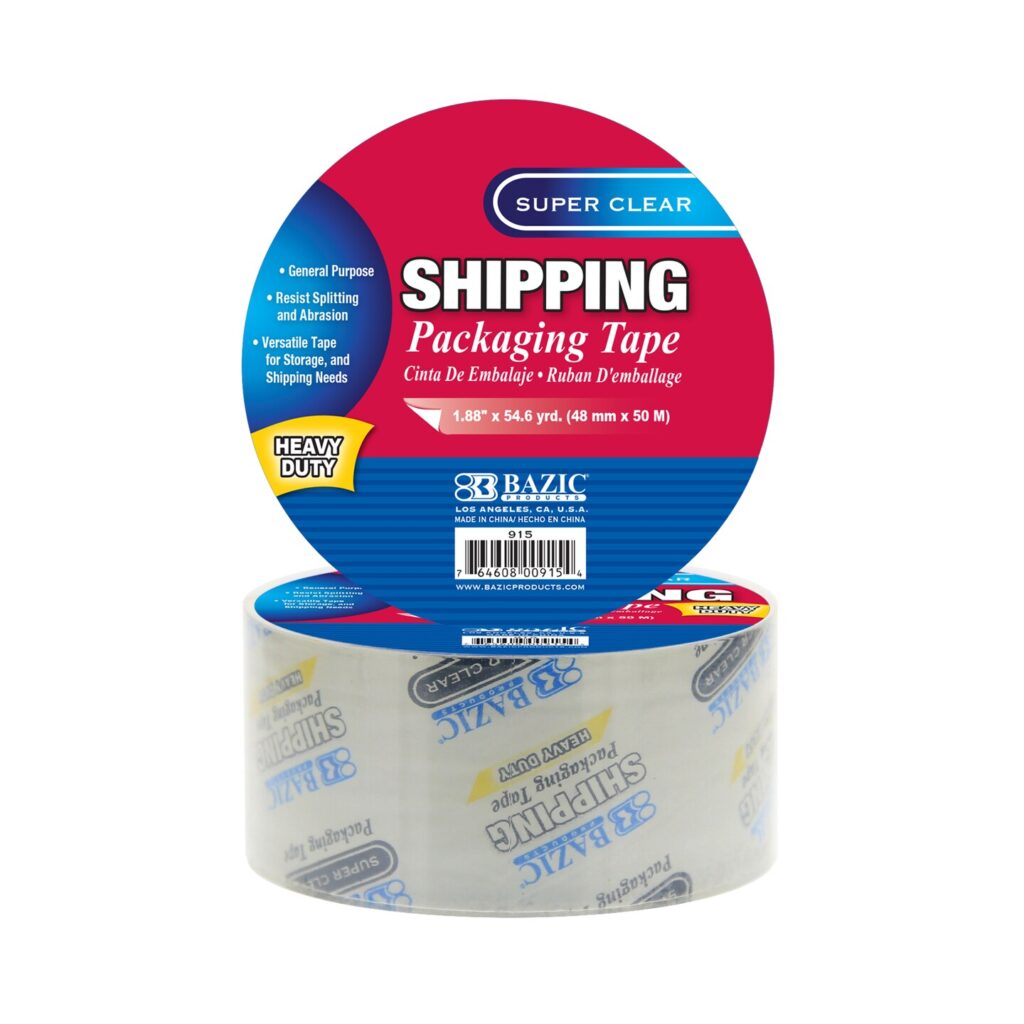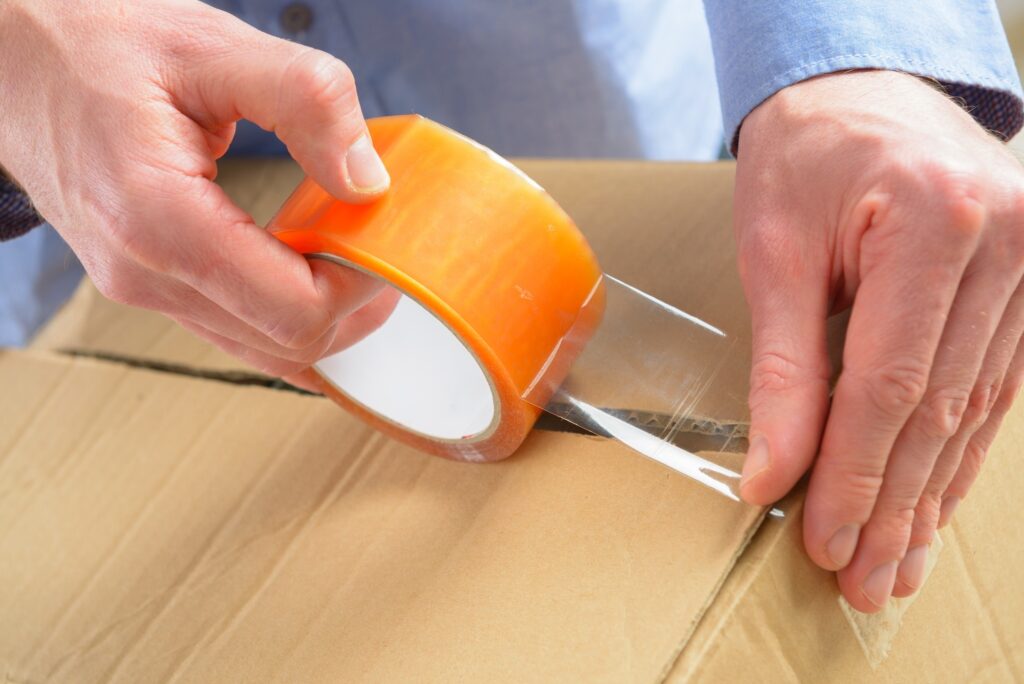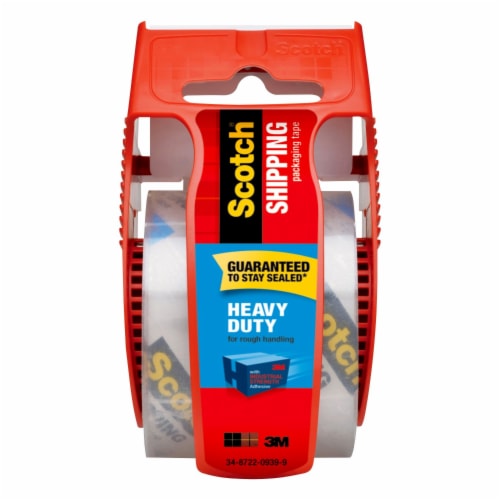
Introduction: Navigating the Global Market for Super transparent shipping tape
Sourcing super transparent shipping tape for high-stakes international logistics presents a critical challenge for procurement teams navigating today’s complex supply chains. When your products traverse multiple climate zones—from the humid ports of Lagos to the temperature-controlled warehouses of São Paulo—packaging integrity isn’t merely about containment; it’s about preserving brand reputation and ensuring operational continuity. The shift toward e-commerce and omnichannel fulfillment has elevated packaging from a hidden cost center to a visible customer touchpoint, making tape clarity and performance non-negotiable assets.
Why Does Adhesive Performance Vary Across Global Climate Zones?
Hot-melt and acrylic adhesive systems respond differently to extreme humidity and temperature fluctuations common in regions like West Africa and the Middle East. While hot-melt formulations offer aggressive initial tack ideal for high-speed automated lines, acrylic adhesives provide superior longevity and UV resistance critical for outdoor storage in tropical environments. Understanding these material science distinctions prevents costly field failures and customs delays.
What Should International Buyers Prioritize When Vetting Overseas Suppliers?
Beyond unit pricing, discerning procurement teams must evaluate tensile strength specifications, mil thickness consistency, and compliance with international shipping standards. Reliable suppliers demonstrate transparent quality control processes, consistent roll-to-roll clarity for barcode scanning efficiency, and logistics capabilities that accommodate regional import regulations across Nigeria, Brazil, and European markets.
This comprehensive guide addresses the full procurement ecosystem—from deciphering technical specifications like tensile strength and mil thickness to navigating Incoterms and regional compliance standards. Whether you’re securing inventory for Nigerian manufacturing hubs or Brazilian distribution centers, you’ll discover actionable frameworks for supplier vetting, cost optimization strategies that don’t compromise adhesion quality, and climate-specific application guidelines. By the conclusion, you’ll possess the technical fluency and market intelligence to transform packaging tape from a commodity purchase into a strategic supply chain advantage.
Understanding Super transparent shipping tape Types and Variations
| Type Name | Key Distinguishing Features | Primary B2B Applications | Brief Pros & Cons for Buyers |
|---|---|---|---|
| Hot-Melt Super Transparent Tape | Synthetic rubber adhesive; aggressive initial tack; 1.6–2.0 mil thickness; cost-optimized BOPP film | High-volume carton sealing; domestic distribution; fast-moving consumer goods logistics | Pros: Economical for bulk procurement; instant bond on corrugated; ideal for automated lines. Cons: Degrades in extreme heat/cold; shorter 6–12 month shelf life; requires FIFO inventory management. |
| Acrylic Adhesive Super Transparent Tape | Water-based acrylic formulation; UV and aging resistant; stable -20°C to 60°C performance; 2.0–2.6 mil | Long-term storage; climate-variable international shipping; retail-ready export packaging | Pros: Superior longevity; maintains clarity over time; excellent for humid/tropical climates (e.g., Nigeria, Brazil). Cons: Higher unit cost; slower initial tack; requires pressure activation for full adhesion. |
| Heavy-Duty HD Clear Tape | Enhanced thickness (2.6–3.0+ mil); tensile strength >25 lbs/in; reinforced puncture resistance | Heavy freight export; palletized loads; rough-handling supply chains; humid storage conditions | Pros: Eliminates double-taping; withstands stacking pressure; reduces damage claims. Cons: Premium pricing; requires compatible heavy-duty dispensers; overkill for lightweight parcels. |
| Low-Noise/Quiet Unwind Super Transparent Tape | Specialized unwind coating; 50% noise reduction; easy-start roll technology; maintains optical clarity | Office-integrated warehouses; noise-restricted European logistics hubs; retail packing stations | Pros: Improves workplace safety compliance; enhances employee comfort; professional presentation. Cons: 15–20% cost premium; limited availability in some emerging markets; unnecessary for fully automated lines. |
What is Hot-Melt Super Transparent Tape and When Should Buyers Choose It?
Hot-melt super transparent tape utilizes synthetic rubber adhesives that provide immediate, aggressive bonding to corrugated surfaces, making it ideal for high-throughput distribution centers in fast-growing African and South American markets. This variant offers excellent value for bulk purchasers managing domestic shipments or stable-climate logistics routes where immediate grab is essential. B2B buyers should prioritize this type when cost efficiency and rapid application speed outweigh extreme weather performance requirements. However, procurement teams must consider inventory turnover carefully, as hot-melt formulations typically maintain optimal adhesion for 6–12 months compared to acrylic alternatives, requiring FIFO stock management protocols.
How Does Acrylic Adhesive Compare for International Shipping Needs?
Acrylic-based super transparent tapes deliver superior longevity and climate resilience, particularly critical for shipments traversing diverse temperature zones common in Middle Eastern and South American trade corridors. These water-based formulations resist UV degradation and maintain consistent tack in freezer conditions or tropical humidity, ensuring seal integrity during extended ocean freight transit. While requiring higher initial investment per roll, acrylic tapes minimize replacement costs and seal failures for businesses managing complex international supply chains. Buyers should verify adhesive coat weights, as heavier coatings measured in grams per square meter directly correlate with better performance for heavy-duty export applications.
Why Invest in Heavy-Duty HD Clear Tape for Export Markets?
Heavy-duty HD clear variants feature enhanced BOPP film thickness and tensile strength exceeding 25 pounds per inch, specifically engineered for demanding export markets like Nigeria and Brazil where rough handling and humid storage conditions frequently compromise standard packaging. This construction prevents splitting during automated high-speed application and maintains closure integrity under significant pallet stacking pressure. B2B purchasers should evaluate mil thickness specifications of 2.6mil or greater and verify core compatibility with existing dispensers when specifying these tapes. The higher material cost is quickly offset by reduced damage claims, eliminated need for double-taping heavy cartons, and improved customer satisfaction in competitive export sectors.
Is Low-Noise Super Transparent Tape Worth the Premium for Your Operation?
Low-noise super transparent tape incorporates specialized unwind coatings and film treatments that reduce application decibel levels by up to 50%, addressing strict workplace safety standards prevalent in European logistics hubs and noise-sensitive urban distribution centers. This technology prevents the high-frequency “squeal” common during high-speed unrolling while maintaining exceptional optical clarity for barcode scanning and premium retail presentation requirements. Buyers managing mixed-use facilities—combining administrative office spaces with active packing operations—should consider this variant to improve employee satisfaction and retention without sacrificing sealing performance. The premium typically ranges 15–20% above standard grades but supports compliance with occupational noise regulations and enhances brand perception.
Key Industrial Applications of Super transparent shipping tape
| Industry/Sector | Specific Application of Super transparent shipping tape | Value/Benefit for the Business | Key Sourcing Considerations for this Application |
|---|---|---|---|
| E-commerce Fulfillment & Logistics | High-volume automated carton sealing; clear overlay for shipping labels and QR codes | Eliminates automated sorting errors; professional unboxing experience reduces returns; quiet unwind improves warehouse ergonomics | Hot-melt adhesive formulated for recycled corrugated; UV stabilizers for high-sunlight climates (Africa/Middle East); machine-grade rolls (1000+ yards) |
| Manufacturing & Export (Automotive/Electronics) | Heavy-duty export carton sealing for ocean freight; moisture barrier protection | 25+ lbs/inch tensile strength withstands rough port handling; crystal clarity facilitates customs inspection without tape removal; seals against salt air and humidity | Acrylic adhesive for 6+ month aging resistance; compliance with ISO 17712 tamper-evident standards; 3-inch width options for heavy palletized goods |
| Retail & FMCG Distribution | Shelf-ready packaging (SRP) sealing; promotional display box closure | Invisible appearance preserves brand aesthetics; enables barcode scanning through tape layer; easy-start technology reduces packaging labor time | Food-contact safe adhesive certifications; anti-static properties for electronics retail; compatibility with high-gloss coated cardboard |
| Laboratory & Scientific Supply | Sterile equipment transport packaging; sample kit container sealing | Maintains contamination barriers during multi-modal transport; transparent view allows content verification without opening; chemical-resistant backing withstands surface disinfection | Medical-grade adhesive options; low-outgassing formulations; temperature stability (-20°C to +60°C) for climate variations in transit to Africa/Middle East |
How does super transparent shipping tape optimize e-commerce fulfillment operations in emerging markets?
In high-growth e-commerce markets like Nigeria and Brazil, fulfillment centers face extreme humidity and infrastructure challenges that demand superior sealing solutions. Super transparent shipping tape with hot-melt adhesive technology ensures reliable bonds on recycled corrugated materials commonly used in these regions. The exceptional clarity enables automated scanning systems to read barcodes through the tape layer, eliminating sortation delays at distribution hubs. For buyers sourcing from international suppliers, prioritizing UV-stabilized formulations prevents adhesive degradation during storage in high-temperature climates, while quiet-unwind properties reduce noise pollution in densely populated urban fulfillment centers where residential and commercial zones often overlap. Bulk procurement of machine-length rolls (1000+ yards) maximizes operational efficiency for high-volume operations.
What are the best practices for using super transparent tape in manufacturing export packaging?
Manufacturers exporting automotive parts or electronics from the Middle East and Europe to African and South American markets require tape that withstands maritime conditions and rough handling. Super transparent heavy-duty variants offer 25+ lbs per inch tensile strength, securing palletized loads through turbulent ocean freight. The crystal-clear finish allows customs officials to inspect contents without removing seals, accelerating clearance at ports with limited processing capacity. When sourcing, specify acrylic adhesive formulations that resist aging during extended transit times, and ensure compliance with international tamper-evident standards to protect high-value shipments from pilferage. This transparency reduces inspection-related delays that can incur demurrage charges in busy international ports.
Why is super transparent tape critical for retail distribution and shelf-ready packaging?
For FMCG distributors and retailers across Europe and Latin America, shelf-ready packaging (SRP) demands invisible sealing that preserves brand aesthetics while ensuring product security. Super transparent tape enables barcode scanning at point-of-sale without removal, streamlining inventory management in modern retail environments. The tape’s compatibility with high-gloss promotional displays ensures that marketing graphics remain visible, crucial for competitive retail landscapes. B2B buyers should verify food-contact safety certifications when packaging consumables and seek anti-static variants when shipping electronics to prevent dust attraction during storage. Easy-start technology reduces application time in high-speed packaging lines, directly impacting labor costs in competitive markets.
How does super transparent tape support laboratory and scientific supply chains in diverse climates?
Scientific equipment suppliers serving research institutions in Africa and the Middle East face unique logistics challenges, including temperature fluctuations and contamination risks. Super transparent tape provides secure, visible sealing for sterile transport containers, allowing technicians to verify contents without breaching contamination barriers. The chemical-resistant backing withstands aggressive surface disinfection protocols common in laboratory settings. When procuring for these applications, specify low-outgassing adhesives that won’t compromise sensitive samples, and ensure the tape maintains adhesion across extreme temperature ranges (-20°C to +60°C) typical during air freight transit. This reliability is essential for maintaining cold chain integrity for diagnostic reagents shipped to tropical climates.
A stock image related to Super transparent shipping tape.
3 Common User Pain Points for ‘Super transparent shipping tape’ & Their Solutions
Scenario 1: Why Do Automated Scanners Reject Packages Sealed with Standard Clear Tape?
The Problem:
In high-volume distribution centers from Lagos to São Paulo, automated barcode scanning systems frequently reject packages when inferior clear tape creates optical glare or prism effects over shipping labels. When tape lacks genuine optical clarity, laser scanners misread barcodes or fail to detect label edges, triggering manual sortation protocols that delay fulfillment by 24–48 hours and increase labor overhead by 15–20%. This friction becomes critical during peak retail seasons when port congestion and customs delays already strain supply chains, particularly for electronics and pharmaceutical exporters who depend on rapid traceability.
The Solution:
Specify super transparent shipping tape engineered with low-haze biaxially oriented polypropylene (BOPP) film and non-yellowing acrylic adhesives. Premium grades offer haze levels below 3% and light transmission above 90%, ensuring scanner compatibility at standard 650nm wavelengths. Conduct pilot testing with your specific automated sortation equipment, verifying that the tape’s refractive index doesn’t interfere with optical character recognition (OCR) systems. For high-volume operations, select tapes compatible with high-speed dispensers to maintain throughput rates exceeding 40 cartons per minute while eliminating scanner misreads.
Scenario 2: How Does Tropical Climate Cause Tape Failure and Inventory Loss?
The Problem:
Procurement teams in tropical climates—from West Africa to the Gulf States—face catastrophic tape failure when shipments encounter 35°C+ temperatures and 80% humidity during transit or warehousing. Standard hot-melt adhesives soften and migrate in heat, leaving residue while compromising seal integrity. This results in “pop-open” cartons, inventory loss, and contamination risks for sensitive goods. The visibility issue compounds when tape yellows within days of application, creating packages that appear aged or tampered with, potentially triggering customs inspections or retailer rejection upon arrival in European markets.
The Solution:
Source super transparent tapes utilizing advanced acrylic or synthetic rubber adhesive systems rated for tropical climate stability (ASTM D3654 testing). These formulations maintain shear strength across -10°C to 70°C ranges and resist UV-induced oxidation that causes yellowing. Specify film thicknesses of 2.5–3.0 mil with reinforced backings for heavy-duty applications. Verify suppliers provide humidity resistance certifications (typically 85% RH/72-hour testing) and UV stability ratings to ensure the tape maintains both optical clarity and aggressive adhesion through multi-modal shipping routes involving non-climate-controlled containers.
Scenario 3: Why Does Standard Tape Compromise Premium Brand Aesthetics?
The Problem:
European luxury retailers and Middle Eastern e-commerce platforms report that standard clear tape creates a “frosted” or cloudy appearance on premium branded packaging, obscuring custom lithography and degrading the unboxing experience. When tape reflects light unevenly or yellows within weeks, it signals low quality to end consumers and undermines marketing investments in custom box designs. For direct-to-consumer brands relying on social media unboxing moments, visible tape residue or cloudiness can reduce shareability and perceived product value, directly impacting customer retention in competitive markets.
The Solution:
Deploy cast polypropylene-based super transparent tape with gloss levels exceeding 90 GU (Gloss Units at 60°). These ultra-clear formulations contain no plasticizers or fillers that cause haziness, effectively becoming invisible on corrugated surfaces and allowing branded designs to remain prominent. For automated packaging lines, specify “quiet unwind” technologies that reduce noise levels below 60dB—critical for warehouse working conditions. Ensure the tape offers immediate adhesion to recycled content boxes (common in EU markets) without requiring excessive pressure, preserving both aesthetics and seal integrity during the critical last-mile delivery phase.
Strategic Material Selection Guide for Super transparent shipping tape
For procurement teams managing supply chains across Nigeria’s humid coastal regions, Brazil’s temperature-variable logistics corridors, or the Middle East’s extreme heat, selecting the appropriate backing material for super transparent shipping tape determines both product protection and operational efficiency. While adhesive chemistry affects immediate tack, the film substrate governs long-term seal integrity, climatic resilience, and total cost of ownership. Understanding the distinct mechanical properties and environmental tolerances of primary tape materials enables strategic alignment with specific shipping conditions, automated packaging requirements, and budget parameters in emerging and established markets.
Why does BOPP film dominate high-volume procurement in tropical markets?
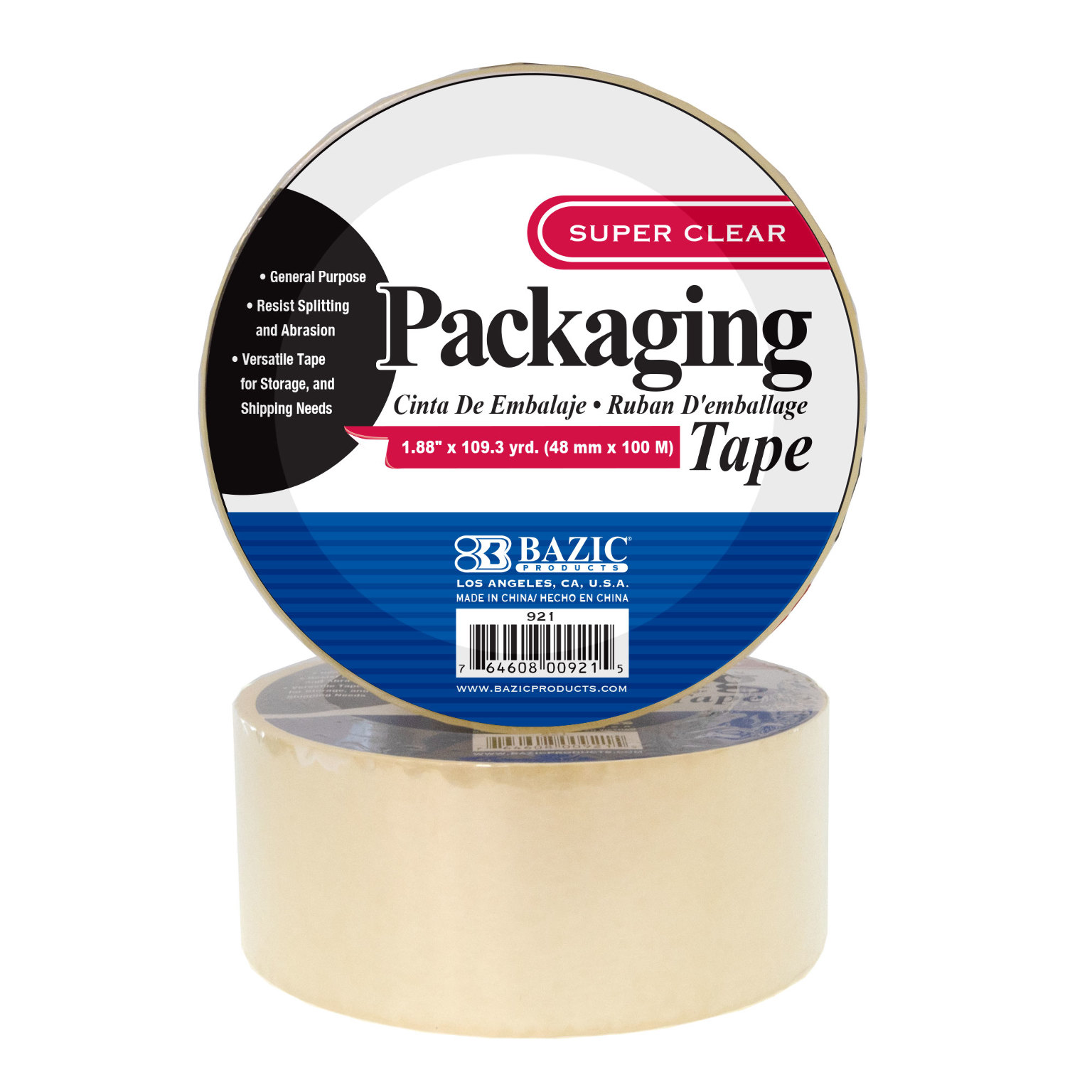
Biaxially Oriented Polypropylene (BOPP) represents the industry standard for super transparent shipping tape, offering an optimal balance of optical clarity, tensile strength (typically 20–30 lbs per inch), and economic viability. The molecular orientation process creates exceptional dimensional stability, making BOPP ideal for West African and Brazilian high-humidity environments where moisture resistance prevents edge-lifting and carton contamination. This material supports dependable sealing performance for commercial-grade applications, accommodating both hot-melt and acrylic adhesives effectively to provide versatile sealing for e-commerce fulfillment centers and manufacturing exports. However, BOPP exhibits reduced flexibility in extreme cold, potentially compromising seal integrity during European winter transits or refrigerated pharmaceutical shipments where temperatures drop below 40°F (4°C). While offering excellent clarity for inventory scanning, BOPP lacks the “crystal” transparency of premium alternatives, which may impact brand presentation for luxury consumer goods.
Is PVC film justified for premium packaging applications requiring temperature versatility?
Polyvinyl Chloride (PVC) film delivers superior optical clarity and conformability, characteristics highly valued in Middle Eastern and European markets for luxury cosmetics, electronics, and retail-ready packaging. Unlike polypropylene, PVC maintains pliability across extreme temperature ranges (-10°F to 150°F), ensuring consistent adhesion in both refrigerated containers and desert warehouse conditions. The material’s natural compatibility with pressure-sensitive adhesives enables quieter unwinding—critical for high-speed automated packaging lines and professional office environments where noise reduction improves operational conditions. PVC also demonstrates better conformability on corrugated irregularities, creating aesthetic seals for customer-facing shipments. The significant limitation involves cost structure, typically commanding 30–40% premiums over BOPP, alongside environmental disposal considerations and limited recyclability that may conflict with corporate sustainability mandates in environmentally regulated European markets.
When should procurement teams specify polyester film for extreme-duty logistics?
Polyester (PET) film tapes provide exceptional tensile strength (often exceeding 50 lbs per inch) and puncture resistance for heavy-duty industrial applications common in construction material exports and agricultural machinery shipping. For Brazilian agricultural exporters or Middle Eastern industrial equipment suppliers, PET backing withstands rough handling and extreme stress without the elongation issues affecting polypropylene, ensuring cartons remain sealed during turbulent long-haul transit. The material excels in high-temperature resistance up to 300°F (149°C), making it suitable for packages stored in non-climate-controlled warehouses or near heat sources
A stock image related to Super transparent shipping tape.
In-depth Look: Manufacturing Processes and Quality Assurance for Super transparent shipping tape
Understanding the manufacturing intricacies behind super transparent shipping tape empowers procurement teams to distinguish between commodity-grade products and premium industrial solutions. For buyers operating across diverse climates—from the humid ports of Lagos to the variable temperatures of São Paulo—production methodologies directly impact seal integrity, inventory longevity, and ultimately, supply chain reliability.
What Raw Material Specifications Define Premium Super Transparent Shipping Tape?
The foundation of high-performance shipping tape begins with biaxially oriented polypropylene (BOPP) film selection. Premium manufacturers utilize virgin resin grades rather than recycled content to achieve the “super transparent” optical clarity required for barcode scanning and professional presentation. The film typically ranges between 1.6 to 2.6 mil in thickness, with heavier-duty applications demanding the upper range for enhanced puncture resistance.
Adhesive formulation represents the second critical component. Hot-melt synthetic adhesives dominate heavy-duty applications, offering aggressive initial tack and strong shear resistance ideal for corrugated fiberboard in high-temperature environments. Conversely, acrylic adhesives provide superior UV stability and performance consistency across temperature fluctuations, making them preferable for long-term storage or export shipments facing extended transit times through Middle Eastern or African logistics corridors.
How Does Biaxial Orientation Improve Film Strength and Optical Clarity?
The manufacturing process transforms raw polypropylene pellets into tape backing through extrusion and biaxial orientation (BOPP). During extrusion, molten polymer forms a flat sheet that undergoes sequential stretching—first longitudinally, then transversely—at controlled temperatures. This molecular alignment increases tensile strength to commercial-grade standards, typically achieving 25 lbs per inch or higher, while maintaining the thin profile necessary for dispenser compatibility.
Orientation parameters determine optical properties. Precise control of stretch ratios eliminates haze and crystalline imperfections that scatter light. Advanced lines incorporate real-time optical sensors that measure light transmission rates, ensuring the film achieves the “crystal clear” standard required for professional packaging where tape visibility must not obscure branding or shipping labels.
Which Coating Technologies Ensure Consistent Adhesive Application?
Following film orientation, the coating process applies adhesive layers through direct gravure or Meyer rod coating systems. Temperature-controlled application ensures uniform thickness across the entire web, preventing “adhesive pooling” that causes inconsistent sealing or dispenser jamming. For super transparent variants, manufacturers apply ultra-thin coating layers—often less than 0.5 mil—to maintain flexibility without compromising clarity.
The adhesive curing stage varies by chemistry. Hot-melt formulations require rapid cooling drums to set the synthetic rubber resin, while acrylic adhesives undergo UV or thermal cross-linking to achieve optimal cohesion. Leading facilities maintain cleanroom standards during coating to eliminate dust particles that would otherwise create visible defects in the transparent film, ensuring aesthetic consistency critical for retail-ready packaging.
What Quality Assurance Tests Verify Performance in Diverse Climates?
Rigorous quality control distinguishes industrial-grade suppliers from commodity producers. Tensile testing machines apply calibrated force to verify that rolls meet specified strength ratings, ensuring boxes remain sealed during rough handling in international freight. Peel adhesion tests measure the force required to remove tape from standardized corrugated surfaces, with premium products demonstrating higher resistance to “flagging” or corner lifting.
Climate-specific testing proves essential for global B2B buyers. Accelerated aging chambers simulate six-month storage periods in high-humidity environments (85% relative humidity at 40°C), replicating conditions common in Brazilian or Nigerian warehouses. Tape samples undergo shear testing at temperature extremes—from freezer conditions to desert heat—to verify that adhesive bonds remain intact across the supply chain spectrum.
How Can Buyers Audit Manufacturing Standards When Sourcing Internationally?
When evaluating potential suppliers, request documentation regarding ISO 9001 quality management certifications and specific adherence to ASTM D5486 or PSTC-1 standards for packaging tapes. Reputable manufacturers provide batch-specific test reports detailing thickness uniformity, adhesion values, and unwind noise levels—critical for operations requiring quiet application environments in office or retail settings.
Inspect sample rolls for manufacturing consistency. High-quality super transparent tape should unwind smoothly without “telescoping” (lateral shifting of layers) or adhesive “bleed” at roll edges. The film should lie flat without curling, indicating proper tension control during slitting operations. For buyers in regions with high solar exposure, verify that acrylic formulations include UV inhibitors to prevent yellowing and embrittlement during outdoor storage.
Why Does Adhesive Chemistry Matter for Specific Regional Applications?
Understanding the distinction between hot-melt and acrylic technologies enables climate-appropriate procurement. Hot-melt adhesives excel in automated high-speed packaging lines, offering immediate bond strength that withstands the vibration of truck transport across uneven Middle Eastern desert roads or South American mountain routes. However, these formulations may soften in extreme heat, requiring storage in climate-controlled facilities.
Acrylic adhesives provide “all-weather” reliability with slower initial tack but superior long-term adhesion, particularly valuable for European pharmaceutical exports or African agricultural products facing monsoon season humidity. Some manufacturers offer hybrid formulations that balance immediate tack with extended durability, though these command premium pricing justified by reduced failure rates in critical shipments.
By scrutinizing these manufacturing parameters—from resin purity to coating precision—procurement professionals can establish specifications that ensure consistent performance across international distribution networks, reducing the costly risks of seal failure and inventory damage.
Practical Sourcing Guide: A Step-by-Step Checklist for ‘Super transparent shipping tape’
Procurement of super transparent shipping tape requires balancing optical clarity with structural integrity to maintain brand presentation during transit. For buyers operating across diverse climates and logistics networks—from the humid ports of Lagos to the temperature-variable warehouses of São Paulo—systematic evaluation prevents costly adhesive failures and visibility issues. This checklist provides actionable steps to ensure your specifications align with manufacturing capabilities and end-use requirements.
How Do You Define Optical Clarity and Thickness Specifications for Super Transparent Tape?
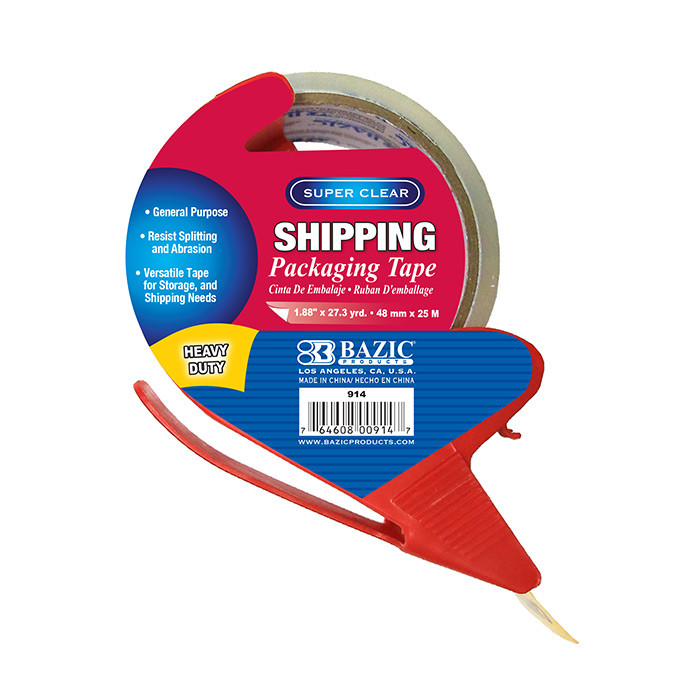
Specify the clarity grade required—distinguishing between “crystal clear” optical transparency and standard clear finishes. Request technical data sheets specifying haze levels and light transmission percentages to ensure barcode scanning compatibility and professional presentation. For thickness, determine whether your application requires standard duty (1.6–2.0 mil) or heavy-duty (2.6–4.1 mil) calipers, considering that thicker films provide better puncture resistance but increase per-unit costs.
Which Adhesive Technology Should You Choose for Your Regional Climate and Application?
Match adhesive chemistry to your destination climate. Hot-melt adhesives offer aggressive initial tack and perform well in temperate conditions, while acrylic adhesives provide superior temperature resistance and aging stability for humid environments like Nigeria or Brazil. Specify synthetic rubber-based hot melts for heavy corrugated boxes, or opt for low-noise unwind formulations for retail fulfillment centers requiring quiet application.
How Do You Verify Tensile Strength and Durability Standards?
Demand tensile strength ratings of at least 25–26 lbs per inch for heavy-duty applications to prevent splitting during rough handling. Verify elongation percentages to ensure the tape accommodates box expansion without adhesive failure. Request accelerated aging test data to confirm the tape maintains clarity and adhesion after prolonged storage in varying humidity levels.
What Quality Certifications and Compliance Documentation Are Essential?
Require ISO 9001 certification for manufacturing consistency and REACH compliance for European markets. For food-contact or pharmaceutical shipping, verify FDA or EU 10/2011 compliance. Request batch testing documentation proving consistent adhesive coating weights and film clarity across production runs, particularly critical when sourcing from new suppliers in emerging markets.
How Should You Evaluate Packaging and Logistics for International Bulk Orders?
Specify core sizes (3-inch standard vs. 1-inch for handheld dispensers) and roll lengths optimized for your consumption rate—bulk 1000-yard rolls reduce changeover frequency in automated lines, while 55-yard lengths suit manual operations. Confirm palletization standards and humidity-controlled container shipping to prevent adhesive degradation during transoceanic transit from Middle Eastern or Asian manufacturing hubs.
Why Is Sample Testing Critical Before Finalizing Large-Scale Procurement?
Conduct real-world testing using samples from three potential suppliers. Apply tape to your actual corrugated substrates and subject sealed boxes to drop tests, temperature cycling (-20°C to 50°C), and 48-hour humidity exposure. Evaluate unwind noise levels and dispenser compatibility. Document clarity retention after mechanical stress to ensure “super transparent” branding remains visible throughout the shipping cycle.
A stock image related to Super transparent shipping tape.
Comprehensive Cost and Pricing Analysis for Super transparent shipping tape Sourcing
Procuring super transparent shipping tape at competitive rates requires B2B buyers to look beyond sticker prices and analyze the total cost of ownership. For procurement teams in Nigeria, Brazil, and across European markets, understanding how material specifications, logistics variables, and volume tiers interact can unlock significant savings while maintaining packaging integrity.
What Raw Material Specifications Drive Cost Variations in Super Transparent Tape?
The primary cost determinants lie in the film thickness and adhesive chemistry. Standard economy grades typically feature 1.6 mil (40 micron) BOPP film with hot-melt adhesives, offering cost-effective solutions for lightweight cartons. However, heavy-duty variants ranging from 2.6 mil to 3.1 mil with acrylic adhesives command premium pricing due to enhanced tensile strength (25+ lbs per inch) and UV resistance. Super premium options featuring 4.1 mil polyester films suit extreme applications but increase material costs by 30-40%. For buyers in humid climates like Brazil or the Middle East, acrylic formulations reduce failure rates despite higher upfront costs, minimizing expensive reshipment risks.
How Does Order Volume Impact Unit Pricing for International B2B Buyers?
Volume remains the strongest leverage point in price negotiation. Manufacturers typically structure pricing tiers at 20-foot container loads (approximately 800-1000 master cartons), 40-foot high cube containers, and mixed-container options. Bulk jumbo rolls (1000-yard lengths) reduce per-meter costs by 15-25% compared to standard 55-yard consumer rolls, though they require compatible dispensers. African buyers should negotiate minimum order quantities (MOQs) carefully; accepting 3-month supply commitments often secures 8-12% discounts versus spot purchasing, while avoiding the premium pricing of less-than-container-load (LCL) shipments.
What Hidden Logistics Costs Should African and South American Buyers Consider?
Beyond FOB pricing, import duties and inland transportation significantly impact landed costs. Brazilian buyers face import taxes ranging 12-18% on adhesive tapes, while Nigerian procurement teams must factor in port congestion fees and foreign exchange volatility. European buyers benefit from consolidated shipping routes but should account for seasonal freight surcharges. Smart buyers negotiate Incoterms that shift risk appropriately—DDP (Delivered Duty Paid) arrangements often prove cost-effective for first-time importers despite higher quoted prices, eliminating customs clearance surprises.
Which Quality Tier Delivers Optimal Cost-Performance for High-Volume Operations?
Commercial-grade tapes (2.0-2.6 mil) typically offer the best ROI for e-commerce and logistics operations, balancing strength with cost. Premium hot-melt tapes suit high-speed automated lines where downtime costs exceed material savings. For African markets with variable storage conditions, mid-tier acrylic options prevent adhesive degradation that plagues economy grades in tropical heat. Conducting seal-strength testing on your specific carton substrates prevents over-engineering—using 4.1 mil tape on lightweight boxes wastes 20-30% in material costs without performance benefits.
Alternatives Analysis: Comparing Super transparent shipping tape With Other Solutions
While super transparent shipping tape delivers unmatched optical clarity and professional presentation for brand-conscious logistics, procurement teams in emerging markets must evaluate whether its premium positioning aligns with operational requirements and total cost of ownership. For high-volume distribution operations in Nigeria, Brazil, or the UAE, where humidity fluctuations, dust exposure, and cost efficiency present unique procurement challenges, two primary alternatives warrant serious consideration: standard-grade OPP (Oriented Polypropylene) carton sealing tape and water-activated reinforced tape (WAT). Each solution offers distinct advantages regarding initial investment, security features, environmental sustainability, and application compatibility that may better serve specific supply chain scenarios, from commodity bulk shipping to high-value export documentation.
| Comparison Aspect | Super Transparent Shipping Tape | Standard OPP Carton Sealing Tape | Water-Activated Reinforced Tape |
|---|---|---|---|
| Optical Clarity & Aesthetics | Crystal-clear finish; virtually invisible on cartons, ideal for branded retail packaging | Translucent to opaque; often tan/brown tint; functional appearance only | Opaque paper-based; visible Kraft paper texture; accepts custom printing |
| Adhesive Performance | Hot-melt or advanced acrylic; immediate high tack; quiet unwind | Hot-melt standard; aggressive initial tack; potentially noisy unwind | Starch-based adhesive activated by water; forms permanent bond with cardboard; tamper-evident |
| Cost Per Meter | Premium pricing (20–40% higher than standard) | Lowest cost option; high availability in local bulk markets | Moderate material cost; requires dispenser capital investment |
| Ease of Implementation | Compatible with hand dispensers and automated case sealers; instant application | Universal compatibility with all standard dispensers; no training required | Requires water-activated tape dispenser; operator learning curve |
| Environmental Resistance | Resists humidity and dust; stable in 0–60°C | Good general resistance; may lift in extreme humidity or dusty conditions | Excellent humidity resistance once dry; vulnerable to moisture during application |
| Security & Tamper Evidence | Standard peel detection; can be resealed | Standard peel detection; can be resealed | Destructive bond with carton; cannot be resealed without visible damage |
| Best Use Case | E-commerce, retail-ready packaging, brand-conscious consumer goods | High-volume commodity shipping, internal transfers, cost-sensitive logistics | High-value exports, heavy items (>30kg), eco-conscious brands, Amazon FFP compliance |
When Should You Choose Standard OPP Tape Over Super Transparent Options?
Standard OPP carton sealing tape represents the established workhorse solution for operations prioritizing immediate cost containment over aesthetic presentation. Widely available from local suppliers in Lagos, São Paulo, and Dubai, this alternative utilizes conventional hot-melt adhesives that deliver reliable sealing performance at unit costs typically 30–40% lower than premium transparent films. While modern manufacturing has improved clarity beyond traditional tan or brown tints, these films still lack the “invisible” optics required for retail-ready packaging. Procurement teams should note that standard OPP often produces audible unwind noise—problematic in shared office environments—and may exhibit adhesive degradation in high-humidity climates common in coastal African and South American regions during monsoon seasons. Its universal compatibility with handheld dispensers and automated case sealers makes it the default choice for facilities requiring rapid deployment without specialized training or equipment calibration.
Is Water-Activated
Essential Technical Properties and Trade Terminology for Super transparent shipping tape
When procuring super transparent shipping tape for international logistics corridors—whether navigating Nigeria’s humid ports or Brazil’s temperature-variable warehousing—understanding precise technical specifications ensures compatibility with automated packaging lines and prevents costly adhesive failures. Buyers must distinguish between marketing claims and measurable performance metrics to avoid packaging line downtime or carton seal breaches during multi-modal transit.
What Technical Specifications Determine Load-Bearing and Clarity Performance?
Film Thickness (Mil Rating): Measured in thousandths of an inch (mil), standard duty tapes range from 1.6–2.0 mil, while heavy-duty variants exceed 2.6–3.1 mil. Thicker BOPP (Biaxially Oriented Polypropylene) films provide superior abrasion resistance during rough handling, though they increase per-unit material costs and require calibrated dispenser tension settings.
Adhesive Chemistry: Hot-melt synthetic adhesives deliver aggressive initial tack and perform exceptionally on recycled corrugated fibers common in African and South American markets. Conversely, solvent acrylic adhesives offer superior temperature resistance (typically -20°C to 60°C) and UV stability, preventing adhesive ooze in Middle Eastern heat or embrittlement during European winter transit.
Tensile Strength: Expressed in pounds per inch (lbs/in), commercial grades typically offer 20–30 lbs/in. This metric indicates resistance to breaking under stress; for cartons exceeding 25kg or stacked pallet configurations, specifications above 25 lbs/in are essential to prevent seam splitting during ocean freight vibrations.
Optical Clarity Percentage: Super transparent grades should exceed 90% light transmission rates, ensuring barcode scanners read through the tape layer without reflection errors. This property relies on both film clarity and adhesive clarity—low-grade adhesives yellow under UV exposure, compromising automated sorting system readability.
Temperature Operating Range: Specifies minimum application temperature (critical for cold storage facilities) and maximum service temperature. For tropical climates, seek adhesives rated for 50°C+ ambient service temperatures to prevent edge lifting in containerized shipping.
Core Dimensions and Roll Length: Standard 3-inch cores suit most hand dispensers, while machine-grade rolls feature extended lengths (up to 1000+ yards) and specific unwind tension characteristics for automated case sealers operating at 1000+ cartons per hour.
What Industry Terminology Should Procurement Teams Master?
“Quiet Unwind” Technology: Refers to specialized silicone release coatings that reduce dispensing noise below 60 decibels. This feature is critical for noise-sensitive warehouse environments in urban European centers or facilities operating near residential zones in Middle Eastern logistics hubs.
Tack vs. Shear Resistance: Tack measures immediate surface adhesion (grab), while shear resistance indicates the tape’s ability to resist slippage under constant load. High shear values prevent “flagging” (tape edges lifting) on vertically stacked cartons during long-haul shipping.
Hand Grade vs. Machine Grade: Hand grade tapes feature easy unwind for manual dispensers and tolerate variable application pressure. Machine grade requires consistent unwind tension and specific thickness tolerances to prevent jams in automated carton sealers.
Release Coat Integrity: The non-adhesive side’s silicone coating prevents layers from adhering to each other. In high-humidity environments like Nigerian ports, premium release coats prevent “blocking” (unwanted adhesion between tape layers) that causes dispenser jams and waste.
HV (High Velocity) Adhesive: Formulated for high-speed application lines requiring instantaneous bond formation before carton compression rollers seal the box. Standard adhesives may skid or fail to anchor at speeds exceeding 30 meters per minute.
“Crystal Clear” vs. “Clear”: Industry distinction where “crystal clear” denotes optically enhanced films with anti-yellowing agents, while standard “clear” may exhibit haze or slight cloudiness acceptable for non-scanning applications.
Navigating Market Dynamics and Sourcing Trends in the Super transparent shipping tape Sector
The global super transparent shipping tape sector is undergoing rapid evolution as e-commerce penetration accelerates across emerging markets. For procurement professionals operating in Nigeria, Brazil, the Middle East, and Europe, navigating this landscape requires understanding how regional logistics infrastructures, climate variables, and regulatory frameworks influence product specifications. Unlike conventional packaging tapes, super transparent variants—characterized by high-clarity BOPP films and advanced adhesive formulations—serve dual functions: securing shipments while maintaining brand visibility for barcode scanning and consumer presentation. This functionality has become critical as developing economies modernize their supply chains and European markets demand higher sustainability benchmarks.
What Market Dynamics Are Reshaping Procurement Strategies for Super Transparent Shipping Tape?
Demand patterns in emerging economies are driving specification divergence between regions. In Nigeria and Brazil, where logistics networks often involve multiple handling points and exposure to tropical humidity, buyers increasingly prioritize heavy-duty variants featuring 2.6 mil to 3.0 mil thickness and hot-melt synthetic adhesives. These formulations provide immediate tack strength essential for securing corrugated packaging in high-moisture environments, alongside 25+ lbs per inch tensile resistance to withstand rough manual handling common in developing distribution centers.
Conversely, Middle Eastern procurement teams focus on temperature stability. Acrylic adhesive super transparent tapes dominate this region due to their resistance to heat degradation during desert transit and storage, maintaining clarity and adhesion despite ambient temperatures exceeding 40°C. European buyers, meanwhile, emphasize automation compatibility and “quiet unwind” technologies that reduce warehouse noise pollution while ensuring consistent performance in high-speed carton sealing machinery.
Supply chain resilience has emerged as a paramount concern. The industry is witnessing a strategic pivot from single-source dependencies toward diversified manufacturing partnerships capable of maintaining consistent mil thickness and optical clarity across production batches. For African importers facing port congestion and currency volatility, this means establishing relationships with suppliers offering regional warehousing solutions or flexible minimum order quantities. Brazilian distributors particularly benefit from suppliers familiar with Mercosur trade regulations and local content requirements, enabling tariff optimization while ensuring tape specifications meet ANVISA standards for pharmaceutical and food packaging applications where clarity is non-negotiable.
How Can B2B Buyers Integrate Sustainability and Ethical Sourcing in Transparent Tape Procurement?
Sustainability in the super transparent tape sector extends beyond material composition to encompass lifecycle impact and supply chain ethics. European buyers must ensure compliance with REACH regulations and the EU Packaging and Packaging Waste Directive, requiring verification that adhesives are solvent-free and that polypropylene films incorporate post-industrial recycled content without compromising the optical clarity necessary for automated sorting systems.
For environmentally conscious procurement in cost-sensitive markets like Nigeria and Brazil, sustainability manifests through durability engineering rather than biodegradable alternatives. Selecting high-yield rolls—such as 109-yard commercial grades versus standard 54.6-yard lengths—reduces packaging waste and transportation emissions per unit sealed. This approach aligns with the circular economy principles gaining traction in South American manufacturing hubs while addressing the logistical reality that biodegradable adhesives often fail in tropical humidity.
Ethical sourcing requires rigorous supplier vetting for labor standards and energy profiles. Buyers should prioritize manufacturers holding ISO 14001 environmental management and SA8000 social accountability certifications. For Middle Eastern markets, where sustainability reporting is becoming mandatory for government contracts, partnering with suppliers utilizing renewable energy in production provides competitive advantage while ensuring tape performance in extreme climates.
End-of-life considerations present distinct regional challenges. While European markets possess established polypropylene recycling streams, African and South American buyers should specify mono-material constructions where film and adhesive share compatible polymer bases, facilitating mechanical recycling even in regions with limited industrial infrastructure. Additionally, bulk sea freight procurement strategies significantly reduce carbon footprints compared to air shipping, particularly crucial when importing heavy-duty tape volumes from Asian manufacturing centers to distribution hubs in Lagos, São Paulo, or Dubai.
Frequently Asked Questions (FAQs) for B2B Buyers of Super transparent shipping tape
-
What makes shipping tape “super transparent” compared to standard clear tape?
Super transparent shipping tape utilizes premium-grade polypropylene or polyester film substrates with significantly lower haze indices than standard variants, typically achieving optical clarity levels exceeding 90% light transmission. Unlike conventional tapes that employ cloudy adhesives or lower-grade resins, these formulations use refined hot-melt or acrylic adhesives that cure to a glass-like finish without yellowing or fogging. The manufacturing process eliminates microscopic air bubbles and impurities that create the frosted appearance common in economy-grade tapes, resulting in a crystal-clear seal that virtually disappears when applied to corrugated surfaces.
-
How does super transparent packing tape affect barcode scanning and label readability?
The enhanced optical clarity minimizes light refraction and surface glare that commonly interfere with laser and camera-based scanning systems in automated distribution centers. When applied over barcode labels or shipping documents, super transparent tape creates minimal visual distortion, ensuring compliance with ISO/IEC 15416 barcode print quality standards and reducing scan-error rates in high-volume facilities. This transparency proves particularly valuable for B2B operations utilizing automated sortation systems, where tape opacity can trigger misreads and costly manual handling interventions during peak throughput periods.
-
Is super transparent shipping tape suitable for high-speed automated packaging lines?
Yes, commercial-grade super transparent tapes are engineered specifically for automated carton sealing machinery, featuring controlled unwind tension and quiet-release properties that prevent dispenser jams and equipment downtime. The uniform caliper thickness—typically ranging from 2.6 to 3.1 mil—ensures consistent feeding through tape heads at speeds exceeding 30 cartons per minute without stretching or tearing. Hot-melt adhesive variants provide immediate tack strength upon application, which is crucial for maintaining seal integrity as packages rapidly transit through compression rollers and conveyor systems.
-
What are the benefits of using super transparent tape for branded packaging and unboxing experiences?
Super transparent tape creates an “invisible seal” aesthetic that preserves the visual impact of printed corrugated branding and custom box designs, particularly important for direct-to-consumer e-commerce shipments targeting premium market segments. Unlike opaque or cloudy alternatives that obscure logos and marketing messages, this tape allows packaging artwork to remain fully visible, enhancing perceived product value and supporting social media-worthy unboxing moments. For B2B buyers supplying retail-ready packaging, this transparency eliminates the unprofessional “patchwork” appearance that can detract from brand positioning in competitive international markets.
-
Which adhesive formulation performs best in high-humidity climates for international shipping?
For export routes through tropical regions like West Africa, Brazil, or Southeast Asia, acrylic adhesive formulations outperform hot-melt alternatives due to superior resistance to moisture infiltration and temperature fluctuations common in containerized shipping. Acrylic adhesives maintain consistent tack and shear strength in humidity levels exceeding 80% RH, whereas hot-melt adhesives may soften or lose adhesion in sauna-like transit environments. However, for immediate sealing of recycled corrugated in controlled warehouse conditions, synthetic rubber hot-melt adhesives offer aggressive initial tack that bonds reliably with challenging substrates containing high dust content.
-
How can I ensure super transparent tape maintains optical clarity during long-term storage in tropical conditions?
Specify tapes with UV-resistant adhesive systems and stabilizers in the polypropylene backing to prevent photodegradation and yellowing during extended warehouse storage in sun-exposed facilities common in Middle Eastern and South American markets. Store inventory in climate-controlled environments below 30°C (86°F) and away from direct sunlight, as excessive heat can accelerate adhesive oxidation and film crystallization that creates haze. Premium grades featuring anti-aging additives and polyester film backings rather than standard polypropylene offer enhanced dimensional stability and clarity retention over 12-24 month storage periods typical of international supply chains.
-
What thickness and tensile strength specifications should B2B buyers specify for heavy-duty export packaging?
For export shipments exceeding 20kg or utilizing double-wall corrugated board, specify super transparent tape with a minimum thickness of 2.6 mil (0.066mm) and tensile strength of 25 lbs per inch or higher to withstand rough handling and stacking pressures during international transit. Heavy-duty variants utilizing biaxially
Important Disclaimer & Terms of Use
⚠️ Important Disclaimer
The information provided in this guide, including content regarding manufacturers, technical specifications, and market analysis, is for informational and educational purposes only. It does not constitute professional procurement advice, financial advice, or legal advice.
B2B buyers must conduct their own independent and thorough due diligence before making any purchasing decisions. The risk of relying on any information in this guide is borne solely by the reader.
Top 2 Super Transparent Shipping Tape Manufacturers & Suppliers List
1. Elite – Super Clear Carton Sealing Tape
Domain: elitetape.com
Registered: 2014 (12 years)
Introduction: Product: Elite Super Clear Carton Sealing Tape (#226ESC). Material: Strong biaxially oriented polypropylene clear film with solvent-based acrylic adhesive system. Thickness: 2.6 Mil. Key Features: Non-yellowing, UV resistant, no fish eyes, high transparency/clarity. Applications: Carton sealing (light to heavy duty), label protection, lamination, bookbinding, document protection, retail packaging …
2. Best of Signs – Clear Acrylic Packaging Tape
Domain: bestofsigns.com
Registered: 2013 (13 years)
Introduction: Acrylic Packaging Tapes – Clear (SKU: BBAPTC) featuring commercial-grade acrylic adhesive formulated for superior temperature resistance (32°F to 150°F) and reliable bonding on cardboard boxes and mailers. Constructed from durable polypropylene film with premium clarity for package aesthetics protection. Available in 2-inch and 3-inch widths, 55 yards per roll, packaged in cases of 48 or 72 rolls….
Strategic Sourcing Conclusion and Outlook for Super transparent shipping tape
How Can Global Buyers Optimize Their Super Transparent Tape Procurement Strategy?
For procurement teams across Nigeria, Brazil, and emerging European markets, selecting super transparent shipping tape requires balancing performance specifications with regional logistics challenges. Prioritize hot-melt adhesives for high-humidity climates where acrylic formulations may compromise seal integrity, and specify minimum 2.6-mil thickness for heavy-duty applications exceeding 25 lbs tensile strength. Establishing direct relationships with manufacturers offering consistent polypropylene film quality ensures supply chain resilience against currency fluctuations and import volatility common in African and South American trade corridors.
What Future Innovations Should B2B Buyers Anticipate in Transparent Packaging?
The packaging adhesive sector is pivoting toward eco-conscious formulations without sacrificing optical clarity or tensile performance. Expect accelerated development of bio-based hot-melt resins and recyclable polypropylene backings that maintain the “super transparent” aesthetic critical for barcode scanning and brand presentation. Smart packaging integration—including tamper-evident clear tapes with embedded authentication markers—will soon become standard for high-value shipments moving through complex Middle Eastern and European distribution networks.
Securing Competitive Advantage Through Strategic Tape Selection
Ultimately, super transparent shipping tape represents more than a commodity; it is a critical failure point in customer experience and cargo security. By specifying precise mil thickness, adhesive chemistry, and unwind noise characteristics tailored to your regional climate and handling conditions, procurement professionals transform packaging from a cost center into a reliability guarantee that protects brand reputation across international borders.