Introduction: Navigating the Global Market for Cloth repair tape
Sourcing cloth repair tape for industrial-scale garment restoration presents unique procurement challenges for buyers balancing adhesive performance with cost efficiency across fragmented global supply chains. For procurement teams spanning Nigeria, Brazil, the Middle East, and European markets, securing consistent, high-grade mending solutions requires navigating material variability and compliance complexities that directly impact product longevity in diverse climate conditions.
Supply chain opacity, inconsistent heat-activation standards between manufacturers, and varying textile adhesive regulations create significant risks when procuring bulk quantities of fusible mending tapes and reinforcement patches. Whether supplying national garment repair networks, outdoor gear manufacturers, or retail maintenance programs, understanding the technical distinctions between cotton percale, twill, and waterproof nylon substrates becomes critical for ensuring repairs withstand rigorous usage intensities.
What critical factors should international buyers evaluate when vetting cloth repair tape suppliers?
This comprehensive guide examines the complete procurement ecosystem: material composition standards, application-specific durability requirements for denim versus technical outerwear, and verification protocols for cross-border supplier partnerships. We analyze cost optimization strategies for high-volume orders, logistics considerations for temperature-sensitive adhesives, and quality assurance frameworks that protect investments from factory floor to final delivery.
By demystifying technical specifications, regional compliance requirements, and material compatibility standards, this resource empowers B2B decision-makers to establish reliable supply partnerships, negotiate favorable procurement terms, and select cloth repair tape solutions that meet the rigorous demands of international textile maintenance markets.
Understanding Cloth repair tape Types and Variations
| Type Name | Key Distinguishing Features | Primary B2B Applications | Brief Pros & Cons for Buyers |
|---|---|---|---|
| Woven Twill & Denim Iron-On Patches | Heavy-duty cotton/polyester blend; pre-cut rectangular shapes; heat-activated adhesive backing; available in assorted colors | Workwear repair, denim manufacturing, uniform maintenance, bulk garment restoration | Pros: High durability for high-stress areas, ready-to-use convenience, cost-effective for volume repairs. Cons: Limited flexibility on stretch fabrics, visible texture may not suit formalwear |
| Cotton Percale Fusible Mending Rolls | Lightweight 100% cotton weave; continuous roll format (3″ x 6ft typical); soft hand-feel; fusible web adhesive | Lining repairs, lightweight garment manufacturing, delicate fabric reinforcement, custom-sized patching | Pros: Customizable length reduces waste, invisible repair on fine fabrics, breathable material. Cons: Requires cutting equipment, less abrasion resistance than twill |
| Suede & UltraSuede Elbow Patches | Genuine or synthetic suede finish; pre-shaped oval/rectangular; 4.375″ x 6.5″ standard size; decorative stitching compatibility | Premium jacket manufacturing, blazer restoration, fashion outerwear reinforcement, elbow/knee wear prevention | Pros: Aesthetic upgrade for worn garments, premium market appeal, extends garment lifecycle. Cons: Higher material cost, limited color matching, specialized application heat requirements |
| Technical Waterproof Nylon Patches | Bonded nylon construction; waterproof seal capability; high-tack adhesive; resistant to outdoor elements | Outdoor gear manufacturing, tent/parka repair services, military equipment maintenance, technical sportswear | Pros: Weather-resistant sealing, strong adhesion to technical fabrics, extends outdoor product lifespan. Cons: Higher per-unit cost, requires precise heat application, limited breathability |
Which woven twill repair tapes are optimal for industrial workwear maintenance?
These heavy-duty patches feature robust cotton or cotton-polyester twill weaves specifically engineered for high-abrasion industrial environments and denim applications. The pre-cut rectangular format eliminates preparation time, making them
Key Industrial Applications of Cloth repair tape
| Industry/Sector | Specific Application of Cloth repair tape | Value/Benefit for the Business | Key Sourcing Considerations for this Application |
|---|---|---|---|
| Apparel Manufacturing & Export | Reinforcing stress points (elbows, knees) and repairing minor defects in finished garments before shipment | Reduces rejection rates by 15-30%; extends product lifespan; maintains brand reputation without costly rework | Heat-resistant adhesive for tropical climates; color matching capabilities; bulk roll availability for high-volume production |
| Workwear & Industrial Uniform Supply | Emergency repairs and reinforcement of high-wear areas in mining, oil/gas, and construction uniforms | Minimizes uniform replacement costs by 40-60%; ensures compliance with safety standards; reduces downtime for workers | Heavy-duty twill or canvas compatibility; flame-retardant options for oil/gas sectors; bulk pricing for institutional buyers |
| Outdoor & Adventure Equipment | Waterproof patching for tents, backpacks, and safari gear used in harsh environments | Extends equipment rental lifecycle; prevents water damage claims; supports sustainable tourism operations | Waterproof nylon or canvas backing; UV-resistant adhesives for intense sun exposure; pre-cut sizes for field repairs |
| Transportation & Fleet Upholstery | Repairing torn seats and interior fabric in buses, trucks, and commercial aircraft | Avoids costly reupholstering; maintains passenger safety standards; quick turnaround for fleet maintenance | Anti-skid properties for seat surfaces; colorfastness to prevent fading; compliance with fire safety regulations |
| Healthcare & Hospitality Textiles | Mending tears in linens, uniforms, and privacy curtains to extend usability cycles | Reduces textile procurement costs by 25-35%; supports sustainability goals; maintains aesthetic standards in patient/guest areas | Medical-grade hypoallergenic adhesives; percale or cotton material compatibility; resistance to industrial laundering temperatures |
How Can Apparel Manufacturers Reduce Export Rejection Rates Using Cloth Repair Tape?
In major textile hubs across Nigeria, Brazil, and Turkey, apparel manufacturers utilize cloth repair tape during final quality control processes to address minor fabric defects and reinforce stress points like elbows and knees before export. This application proves critical for maintaining shipment schedules, as it eliminates the need to return garments to production lines for sewing-based repairs. B2B buyers should prioritize heat-activated tapes with tropical-grade adhesives that withstand high humidity and temperatures common in Sub-Saharan African and South American climates, ensuring repairs remain intact during transit and storage.
What Are the Best Cloth Repair Solutions for Industrial Workwear in Mining and Oil Sectors?
Mining operations in South Africa, oil and gas facilities in the Middle East, and construction projects across Brazil demand heavy-duty uniform maintenance solutions that cloth repair tape provides for reinforcing high-wear areas and executing emergency repairs. Industrial laundries and uniform rental companies leverage twill-based and canvas-compatible tapes to extend garment lifecycles by 40-60%, significantly reducing procurement costs for institutional buyers. Sourcing considerations must include flame-retardant options for petrochemical environments and bulk roll formats that accommodate high-volume repair contracts typical of industrial sectors in these regions.
How Does Waterproof Cloth Repair Tape Support Adventure Tourism Equipment Maintenance?
Tourism operators across Kenya’s safari circuits, Brazil’s eco-resorts, and Middle Eastern desert camping enterprises rely on waterproof cloth repair tape to maintain tents, backpacks, and outdoor gear exposed to harsh environmental conditions. These businesses require nylon-backed patches with UV-resistant adhesives that prevent degradation under intense equatorial and desert sun while providing waterproof seals against monsoon rains or flash flooding. Pre-cut patch formats enable field repairs by guides and maintenance crews, minimizing equipment downtime during peak tourist seasons when replacement gear availability may be limited in remote locations.
Why Are Transportation Fleets Switching to Cloth Repair Tape for Upholstery Maintenance?
Public transportation authorities and logistics companies throughout Europe, Nigeria, and Brazil utilize specialized cloth repair tape to maintain bus, truck, and commercial vehicle interiors without removing seats for traditional reupholstering. This application addresses torn vinyl and fabric seating quickly during routine maintenance windows, ensuring passenger safety standards while controlling fleet maintenance budgets. Buyers must verify anti-skid surface properties for seat applications and colorfastness certifications to prevent fading, alongside compliance with regional fire safety regulations that vary between EU standards and emerging market requirements.
How Can Healthcare Facilities Extend Textile Lifecycles with Medical-Grade Repair Tape?
Hotels, hospitals, and institutional laundries across target markets utilize cloth repair tape to extend the lifecycle of linens, uniforms, and privacy curtains, addressing tears and worn areas that would otherwise necessitate complete replacement. In cost-sensitive healthcare environments common in Nigeria and Brazil, percale and cotton-based mending rolls provide invisible repairs that maintain hygiene standards while reducing textile waste by up to 30%. B2B procurement teams should seek medical-grade, hypoallergenic adhesive options and bulk packaging formats that align with industrial laundry processing volumes typical of large hospital systems and hospitality chains.
A stock image related to Cloth repair tape.
3 Common User Pain Points for ‘Cloth repair tape’ & Their Solutions
Scenario 1: How Do You Ensure Cloth Repair Tape Withstands Extreme Heat and UV Exposure in Outdoor Applications?
The Problem:
Procurement teams operating in Nigeria, Brazil, or the Middle East frequently encounter adhesion failures when standard cloth repair tapes are deployed on agricultural tarps, construction site barriers, or outdoor equipment covers. Conventional pressure-sensitive adhesives soften in ambient temperatures exceeding 40°C, causing edge lifting and complete bond failure within days. Additionally, intense UV radiation degrades the tape backing, turning flexible fabric strips into brittle, cracked fragments that compromise waterproofing integrity. This results in costly inventory losses for rental companies and repeated maintenance cycles for construction firms that rely on temporary shelter solutions.
The Solution:
Specify heat-resistant cloth repair tapes featuring acrylic adhesive systems rated for continuous exposure up to 80°C, paired with UV-stabilized woven polyester or nylon backings. Unlike standard cotton-based mending tapes, these industrial-grade alternatives utilize cross-linked polymer adhesives that maintain tack across temperature differentials. For heavy-duty canvas and tarp repairs, implement two-step application protocols: surface cleaning with isopropyl alcohol to remove dust and oils, followed by heat-activation using industrial heat guns rather than standard irons to ensure molecular bonding with polyethylene and PVC-coated fabrics. Request suppliers provide UV-resistance certifications and shear-strength test data specific to tropical climates before bulk procurement.
Scenario 2: What Is the Most Effective Way to Repair Mixed-Fabric Professional Equipment Without Material Damage?
The Problem:
B2B buyers managing diverse textile inventories—from denim workwear to nylon camping equipment and polyester blend uniforms—face compatibility challenges when attempting standardized repair protocols. Using aggressive adhesives designed for canvas on lightweight percale or synthetic blends results in bleed-through, visible residue, or fabric stiffening that renders garments unwearable. This is particularly critical for rental services and second-hand clothing exporters in South America and Europe, where repair quality directly impacts resale value and customer satisfaction. The wrong tape selection can void manufacturer warranties on professional outdoor gear or create liability issues when repairs fail during critical use.
The Solution:
Develop a material-specific specification matrix that matches adhesive chemistry to substrate porosity. For natural fibers like cotton and denim, utilize fusible iron-on mending tapes with percale or twill backings that integrate with fabric weave patterns. For synthetic outdoor equipment—such as parkas and tents—specify waterproof nylon patches with low-melt adhesives that activate at 120°C to prevent scorching. Implement color-matched systems using bulk rolls (3″ x 6 ft.) rather than pre-cut patches to minimize waste across varying tear sizes. Always verify that suppliers offer OEKO-TEX or equivalent certifications for skin-contact applications, ensuring compliance with EU and emerging African market safety standards.
Scenario 3: Why Does Cloth Repair Tape Fail Under Industrial Stress Compared to Duct Tape Alternatives?
The Problem:
Maintenance managers often default to commodity duct tape for quick fixes on cloth materials, only to discover residue buildup, complete adhesive failure under flex stress, and incompatibility with washing processes. Duct tape’s rubber-based adhesives leave gummy residues that attract dirt and permanently damage fabric fibers, while its non-woven backing lacks the breathability required for garment repairs. For B2B buyers in the Middle East and Europe supplying workwear rental services or industrial laundry operations, this confusion leads to rejected shipments, increased replacement costs, and damaged client relationships when “repaired” items fail quality inspections.
The Solution:
Educate procurement teams on the structural differences between temporary sealing solutions and permanent fabric mending systems. Cloth repair tape utilizes woven fabric backings (cotton, twill, or suede) that flex with the material and withstand industrial washing cycles, whereas duct tape creates rigid, impermeable barriers. For heavy-duty industrial applications, specify twill iron-on patches with tensile strengths exceeding 50 lbs/inch, applied using heat-seal machinery for consistent pressure distribution. Establish clear SOPs distinguishing between field repairs (pressure-sensitive cloth tape for temporary holds) and factory restoration (fusible systems for permanent bonds). Calculate total cost of ownership: while cloth tape requires higher initial investment, it eliminates the labor costs of removing duct tape residue and extends garment lifecycle by 40-60%.
Strategic Material Selection Guide for Cloth repair tape
Selecting the optimal substrate for cloth repair tape directly impacts garment lifecycle extension and procurement ROI across international supply chains. For B2B buyers sourcing across diverse climates—from the humidity of Lagos and São Paulo to the arid conditions of the Middle East—material choice determines not only repair longevity but also compatibility with regional laundering practices, storage conditions, and end-user expectations. Understanding the performance characteristics of each substrate enables strategic inventory decisions that balance upfront material costs against long-term durability, ensuring that bulk procurement aligns with specific industry applications rather than generic one-size-fits-all solutions.
Which Fabric Base Delivers Maximum Durability for Industrial Workwear?
Cotton twill stands as the predominant choice for heavy-duty repair applications, particularly for industrial uniforms and workwear prevalent in manufacturing sectors across Nigeria and Brazil. Its diagonal weave structure provides superior tensile strength compared to plain weaves, resisting tearing under stress while maintaining flexibility for worker mobility. The material accepts industrial-grade fusible adhesives exceptionally well, creating permanent bonds that withstand high-temperature commercial laundering cycles common in European and Middle Eastern hospitality sectors. For procurement officers managing uniform programs, twill offers excellent color retention through multiple repair cycles. However, twill’s substantial weight can create stiffness in lightweight garments, and its cotton composition requires pre-shrinking consideration to prevent post-repair distortion in high-humidity environments where moisture absorption occurs.
How Does Denim Repair Tape Perform in High-Volume Commercial Environments?
Denim-specific repair tape addresses the massive workwear and fashion markets where jeans constitute standard attire across all target regions. This material offers unmatched aesthetic integration, with indigo-dyed options available to match varying wash levels from raw to stone-washed, crucial for maintaining brand consistency in corporate uniform programs and retail restoration services. The twill weave provides familiar texture and abrasion resistance suitable for knee and seat reinforcements in active work environments. Nevertheless, buyers should note that untreated denim edges may fray during high-speed application processes, and colorfastness varies significantly under industrial washing conditions with aggressive alkaline detergents. For buyers in South American and African markets where sun exposure is intense, UV degradation of dyed denim tapes requires consideration in outdoor agricultural or construction applications.
Is Technical Synthetic Tape Essential for Outdoor and Technical Apparel?
Technical synthetic substrates—particularly nylon ripstop and bonded waterproof variants—serve specialized sectors including outdoor recreation, military procurement, and oil-and-gas workwear prevalent in Middle Eastern and North African extraction industries. These materials offer critical water resistance and strength-to-weight ratios impossible with natural fibers, maintaining integrity during monsoon conditions or chemical exposure scenarios common in industrial settings. The synthetic base prevents moisture absorption that leads to mildew in tropical climates, significantly extending garment life in regions like coastal Nigeria or Brazil. The primary limitation involves heat sensitivity; application requires precise temperature control between 120-150°C to prevent substrate melting or adhesive delamination, necessitating specialized heat-seal equipment rather than standard industrial irons. This material commands premium pricing but delivers essential performance for technical gear where repair failure poses safety risks.
| Material | Typical Use Case for Cloth repair tape | Key Advantage | Key Disadvantage/Limitation | Relative Cost |
|---|---|---|---|---|
| Cotton Twill | Industrial uniforms, workwear reinforcement | Superior tensile strength; withstands commercial laundering | Adds stiffness; requires pre-shrinking in humid climates | Medium |
| Denim | Jeans repair, casual workwear, fashion restoration | Aesthetic matching; high abrasion resistance | Edge fraying; colorfastness issues in industrial wash | Low-Medium |
| Technical Synthetic (Nylon/Ripstop) | Outdoor gear, technical workwear, waterproof apparel | Waterproof; high strength-to-weight; mildew resistant | Heat-sensitive application; requires specialized equipment | High |
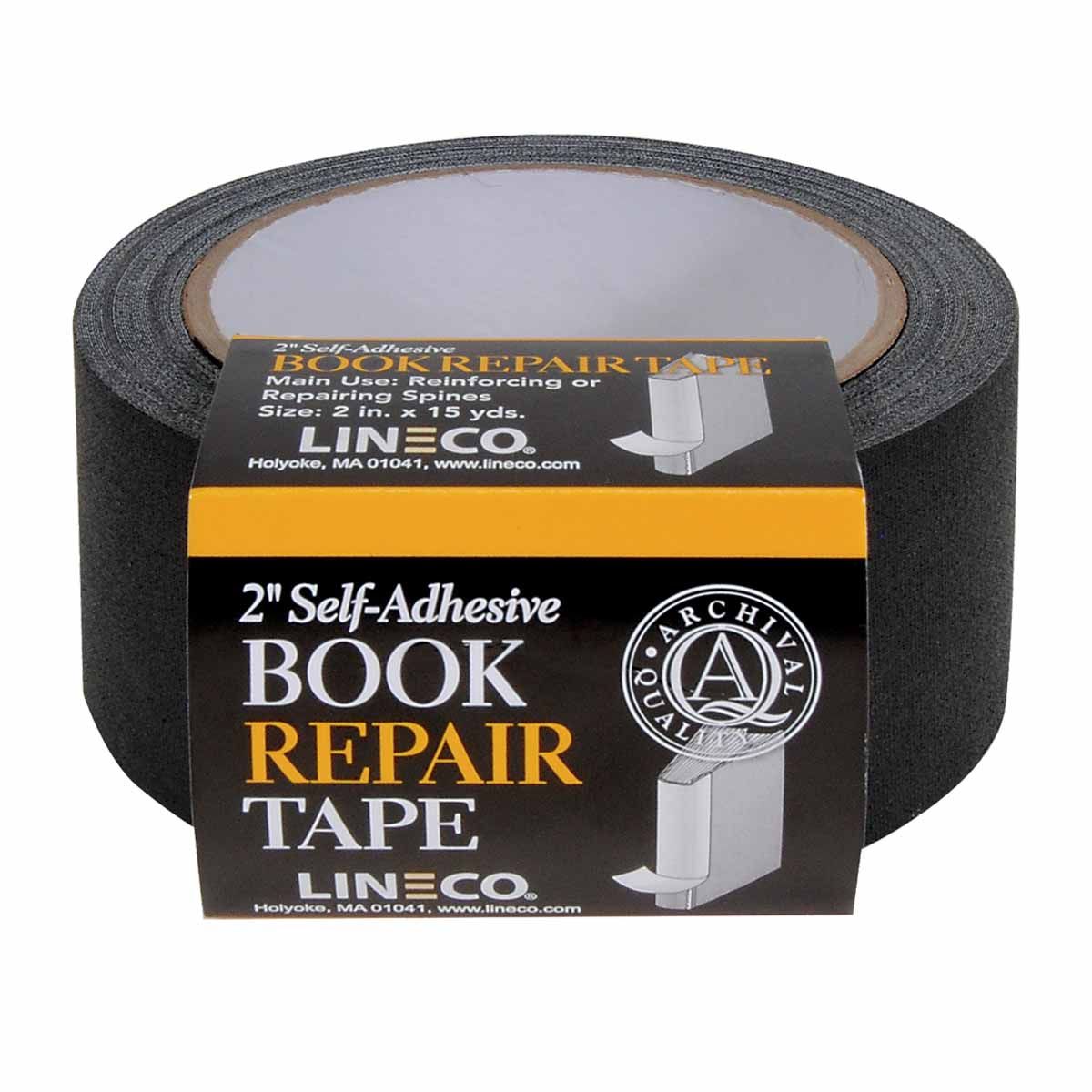
A stock image related to Cloth repair tape.
In-depth Look: Manufacturing Processes and Quality Assurance for Cloth repair tape
Understanding the manufacturing pipeline behind cloth repair tape empowers procurement teams to assess supplier capabilities, predict product longevity, and negotiate specifications that align with regional market demands. For buyers sourcing from international hubs to distribute across Nigeria, Brazil, or the Middle East, manufacturing transparency directly correlates with inventory reliability and end-user satisfaction in diverse climate conditions.
How Is the Base Fabric Prepared for High-Performance Repair Tapes?
The foundation of any cloth repair tape begins with substrate selection and textile engineering. Manufacturers typically source woven cotton twill, percale, or synthetic blends depending on the intended application—twill provides diagonal durability ideal for high-friction areas like elbows and knees, while percale offers a smoother, tighter weave suitable for lightweight garment repair.
The raw fabric undergoes scouring and mercerization processes to remove impurities and increase tensile strength. For B2B buyers, verifying that suppliers utilize pre-shrunk base materials is critical; unprocessed fabrics may contract after application, causing adhesive failure or visible puckering on finished garments. Premium manufacturers also apply warp and weft stabilization treatments to prevent distortion during the heat-activation phase, ensuring the tape maintains structural integrity when bonded to denim, canvas, or technical outerwear.
What Adhesive Technologies Ensure Permanent Heat-Sealed Bonds?
The functional core of cloth repair tape lies in its thermo-activated adhesive layer. Production facilities employ hot-melt coating lines where fusible polymers—typically modified polyamide or polyester copolymers—are applied to the fabric substrate at controlled temperatures between 120°C and 160°C. The coating weight, measured in grams per square meter (GSM), determines bond strength; industrial-grade tapes usually require 40-60 GSM for permanent repairs versus 20-30 GSM for temporary solutions.
Advanced manufacturers utilize dot-matrix or grid-pattern coating rather than full surface coverage. This technique allows vapor transmission, preventing moisture accumulation beneath the patch in humid environments like coastal Brazil or West Africa. Buyers should inquire about the “activation temperature window”—quality adhesives bond effectively between 130°C-150°C without scorching delicate fabrics, while substandard coatings may require excessive heat that damages garment fibers or fail to adhere in high-humidity conditions.
Which Quality Control Standards Should B2B Buyers Verify?
Systematic quality assurance separates commodity suppliers from strategic manufacturing partners. Reputable facilities implement ISO 9001:2015 certified protocols encompassing tensile strength testing, wash-cycle durability verification, and colorfastness assessment under AATCC (American Association of Textile Chemists and Colorists) standards.
Critical QC checkpoints include peel-strength testing after 50+ industrial wash cycles, ensuring the tape remains bonded through repeated laundering—a necessity for workwear markets in mining and agricultural sectors. Spectrophotometric color matching guarantees batch consistency, preventing shade variations that render inventory unusable for fashion repair applications. Additionally, verify that suppliers conduct accelerated aging tests (Xenon arc exposure) to simulate six months of UV exposure, confirming that tapes destined for outdoor gear in Middle Eastern markets resist yellowing and embrittlement.
How Are Specialized Textures and Weaves Manufactured?
Different end-use applications demand distinct surface textures and structural properties. Denim repair tapes undergo stone-washing or enzyme treatments during manufacturing to match the aesthetic of modern jeans, while suede and ultrasuede patches require microfiber needle-punching processes that create nap directionality consistent with genuine leather garments.
For technical outdoor applications, manufacturers laminate waterproof membranes—such as thermoplastic polyurethane (TPU)—to nylon base cloths, creating breathable yet watertight repair solutions for tents and parkas. The production of anti-skid gripper fabrics involves silicone dot-screening on the reverse side, requiring precision registration to ensure grip patterns align correctly when die-cut into patches. Buyers sourcing for diverse markets should confirm that suppliers maintain separate production lines for natural versus synthetic substrates to prevent cross-contamination that could compromise adhesion properties.
What Processes Create Waterproof and Outdoor-Grade Repair Solutions?
Outdoor and industrial cloth repair tapes require specialized manufacturing stages beyond standard garment-grade products. After base coating, these tapes undergo seam-sealing simulations where bonded samples are subjected to hydrostatic pressure testing (measured in millimeters of water column resistance) to verify waterproof integrity.
Manufacturers also apply fluorocarbon or silicone-based DWR (durable water repellent) finishes through padding or spray applications, followed by curing ovens that set the treatment at 170°C. For extreme climate durability, some facilities offer reinforced edge-sealing processes where the tape perimeter is overlocked with polyester thread before adhesive application, preventing fraying in high-abrasion environments. These additional processing steps significantly impact unit costs but deliver essential performance for military, camping, and industrial safety markets.
How Does Roll-to-Patch Conversion Impact Bulk Purchasing?
The final manufacturing phase involves converting master rolls into finished goods through precision die-cutting or laser cutting systems. Roll goods typically measure 3-inch widths by 6-foot lengths for mending tape, while patch formats range from 2″ x 3″ standard sizes to custom 5″ x 7″ elbow patches.
B2B buyers should understand that conversion efficiency affects pricing tiers. Suppliers utilizing automated nesting software minimize material waste during die-cutting, offering competitive pricing on bulk orders of 10,000+ units. Additionally, inquire about packaging protocols—individually wrapped patches prevent adhesive contamination during shipping to humid climates, while bulk roll packaging suits industrial laundries and alteration shops requiring on-demand cutting. Some manufacturers offer private-label conversion services, allowing buyers to specify custom dimensions, printed logos, or color-matched assortments tailored to regional fashion preferences.
Supplier Evaluation Checklist for Emerging Markets
When vetting manufacturers for distribution across Africa, South America, or the Middle East, prioritize facilities demonstrating climate-specific adaptation capabilities. Request documentation proving adhesive formulations function effectively in ambient temperatures exceeding 40°C and high-humidity environments. Verify that colorants used in decorative patches comply with EU REACH regulations and emerging African textile safety standards, ensuring market access without regulatory barriers.
Assess the supplier’s raw material traceability systems—ethical sourcing of cotton and synthetic fibers increasingly influences B2B purchasing decisions in European markets. Finally, confirm logistics capabilities: manufacturers experienced in moisture-barrier export packaging and Incoterms 2020 compliance reduce shipping risks for containerized sea freight to Lagos, São Paulo, or Dubai. Establishing these manufacturing benchmarks during supplier qualification prevents costly quality disputes and ensures your cloth repair tape inventory meets the durability expectations of professional tailors, industrial laundries, and outdoor equipment retailers across diverse international markets.
Practical Sourcing Guide: A Step-by-Step Checklist for ‘Cloth repair tape’
Procuring cloth repair tape for commercial distribution or manufacturing requires balancing material compatibility, adhesive durability in diverse climates, and supply chain reliability. Buyers across Nigeria, Brazil, and similar markets must ensure these products perform from warehouse to end-user despite tropical humidity and varying fabric compositions. This checklist provides a systematic framework for evaluating suppliers and technical specifications when sourcing iron-on mending solutions.
1. What Fabric Types and Damage Patterns Will You Address?
Analyze your target market’s garment composition to determine material specifications. Heavy-duty twill or denim-faced tape bonds effectively with workwear and jeans, while lightweight cotton percale suits formal shirts and delicate blends. For outdoor gear markets, prioritize waterproof nylon patches. Document whether your customers need pre-cut patches for specific repairs—such as elbow reinforcement or pocket restoration—or continuous rolls that allow custom sizing for alteration businesses.
2. How Do You Select Adhesives for High-Humidity Environments?
Standard heat-activated adhesives may degrade in tropical climates common across Africa and South America. Request technical data sheets verifying bonding strength after exposure to 85%+ relative humidity and elevated temperatures. Specify fusible webs with moisture-resistant properties, particularly for outdoor applications. Test samples on locally sourced fabric substrates to ensure proper activation with standard household irons or industrial heat presses available in your region.
3. Which Product Format Optimizes Your Distribution Model?
Evaluate bulk packaging configurations against your operational needs. Continuous rolls (e.g., 3″ x 6 ft) provide flexibility for tailor shops requiring custom lengths, while pre-cut assorted packs (2″ x 3″ or 5″ x 7″) suit retail consumer markets. Consider color assortment ratios—neutral tones for professional workwear versus varied denim washes for fashion repairs. Calculate dimensional weight for shipping: compact rolls often reduce freight costs compared to bulky patch packets, while flat-packed assortments maximize container utilization.
4. What Certifications Ensure Market Compliance?
Verify that adhesive components meet textile safety standards for your destination markets, including OEKO-TEX, REACH, or regional equivalents. For European distribution, confirm phthalate-free and formaldehyde-free certifications. Request batch testing documentation to ensure consistent adhesive application across production runs, particularly when sourcing multi-material assortments containing suede, twill, and synthetic blends that may carry different chemical requirements.
5. How Do You Validate Quality Before Mass Production?
Implement a three-phase sampling protocol: laboratory testing for adhesive shear strength, application testing on local garment samples, and wash-cycle durability trials (minimum 50 washes for permanent repairs). Inspect packaging for moisture-barrier properties—critical for preventing adhesive degradation during sea freight. Establish clear defect thresholds for edge fraying on woven tapes or incomplete adhesive coverage that could compromise repair integrity.
6. What Logistics Framework Protects Your Investment?
Negotiate Incoterms that account for temperature-controlled shipping when sourcing heat-sensitive adhesive tapes during summer months. Clarify minimum order quantities for mixed material containers, aiming for flexible thresholds that allow 20-30% lower volumes for trial orders. Secure payment terms including escrow options for first-time suppliers, and verify their experience with customs documentation specific to textile adhesives. Request palletization specifications that prevent compression damage to adhesive layers during transoceanic transit.
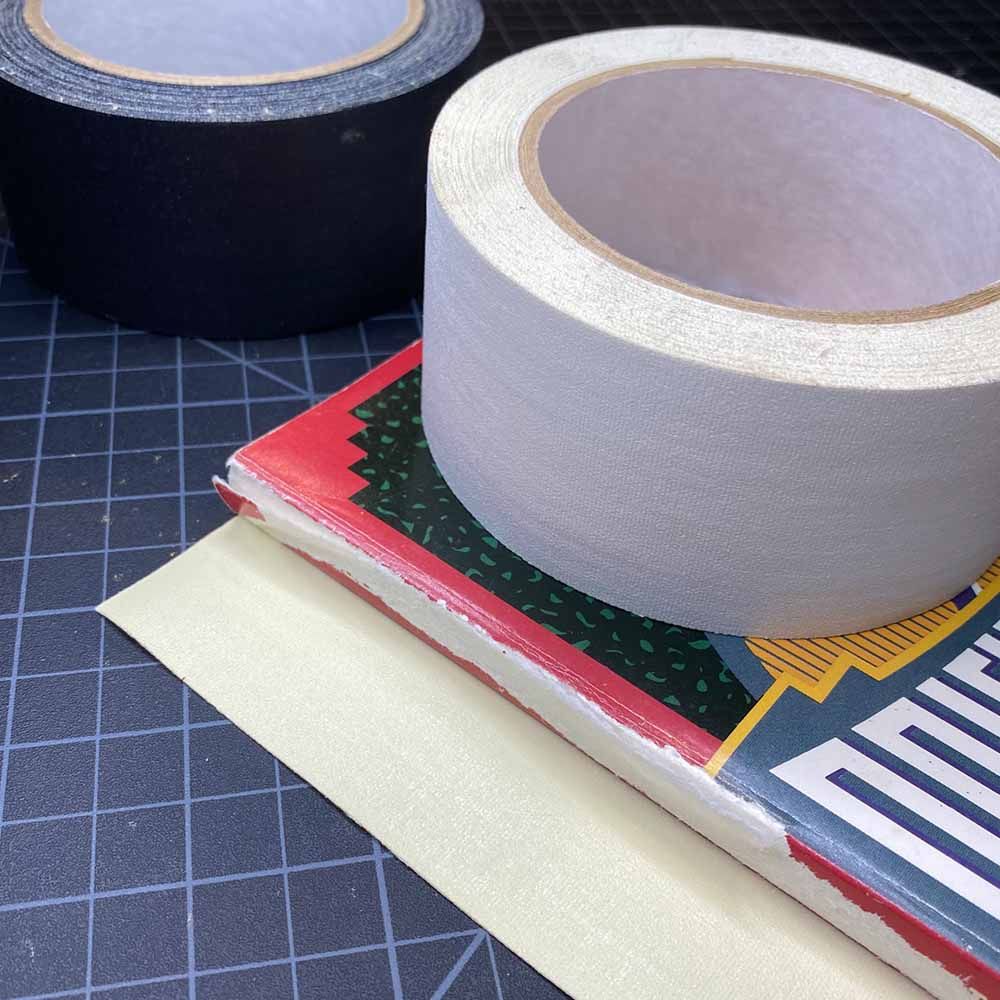
A stock image related to Cloth repair tape.
Comprehensive Cost and Pricing Analysis for Cloth repair tape Sourcing
When sourcing cloth repair tape for B2B distribution across diverse markets like Nigeria, Brazil, or the UAE, understanding the granular cost drivers beyond unit price is essential for maintaining competitive margins. The pricing landscape varies significantly based on material composition, packaging configurations, and compliance requirements specific to regional textile standards. Successful procurement requires analyzing not just factory gate prices, but total landed costs including climate-specific storage needs and import duty structures unique to each target region.
How Do Material Specifications and Adhesive Technologies Impact Bulk Pricing?
Material selection represents the primary cost variable, with natural fiber options like cotton percale and standard twill typically offering the lowest entry points for high-volume orders. These conventional materials generally range 20-35% below synthetic alternatives such as UltraSuede or waterproof nylon tapes, which require specialized substrate manufacturing and coating processes. Denim patches occupy a middle tier, providing enhanced durability without premium synthetic pricing. The adhesive backing technology further stratifies costs—hot-melt pressure-sensitive adhesives cost less than acrylic or specialized heat-activated systems, though the latter provide superior wash durability essential for professional garment repair services. For distributors serving markets with extreme climate conditions, such as the intense heat of the Middle East or high humidity in West Africa, specifying heat-stabilized or moisture-resistant adhesive formulations adds 15-25% to base material costs but prevents catastrophic inventory losses from adhesive degradation during storage.
What Packaging Formats and Quantities Deliver Optimal Unit Economics?
The physical format significantly impacts landed costs and market suitability. Continuous rolls—such as 3″ x 6 ft industrial lengths—reduce per-meter costs by 30-50% compared to pre-cut individual patches, making them ideal for garment manufacturing facilities and professional alteration services. However, consumer-facing individual packs (typically 12, 16, or 1,000-count assortments) incur higher per-unit packaging expenses for poly-bagging, header cards, and retail boxing, though they command superior margins in hardware and sewing supply retail channels. For efficient container utilization when shipping to Brazil or Nigeria, consider mixed-load strategies: combining bulk rolls for industrial B2B clients with pre-packaged retail assortments maximizes cubic meter efficiency while serving diverse market segments. Master carton configurations also matter—standard 50-piece inner packs palletize more efficiently than irregular bulk packaging, reducing freight damage rates and warehouse handling costs.
How Can Buyers Navigate Regional Tariffs, Compliance, and Climate Logistics?
Import duty classifications create significant pricing variations across target regions. Cloth repair tapes typically fall under HS code 5603.14 (textile-backed adhesive articles), though classification disputes can arise depending on backing material composition. Brazilian imports face complex tax structures including IPI and ICMS calculations that can add 30-50% to declared values, while Nigerian ports often incur demurrage costs that inflate effective procurement prices by 10-15% during clearing delays. European markets increasingly require OEKO-TEX Standard 100 certification or REACH compliance for adhesive chemicals, adding $0.03-$0.08 per unit in testing and documentation costs but ensuring market access. Additionally, tropical climate warehousing requirements—climate-controlled storage for pressure-sensitive adhesives—add 8-12% to carrying costs but prevent stock obsolescence from humidity-induced adhesive failure.
Which Volume Thresholds and Payment Structures Unlock Maximum Negotiation Leverage?
Manufacturing MOQs typically stratify at 3,000-5,000 units for standard items, with 10,000+ unit orders triggering 8-15% volume discounts. Full container load (FCL) commitments of 20-foot or 40-foot quantities often secure 20-30% price reductions alongside value-added services like custom color matching or private label packaging. For emerging market distributors with limited capital, negotiating consignment terms or 60-day payment schedules rather than standard 30-day terms can improve cash flow more effectively than seeking upfront price cuts. Tooling fees for custom die-cut shapes or specialized dimensions typically range $500-$2,000 but amortize efficiently across production runs exceeding 50,000 pieces.
By analyzing total landed costs—including climate-appropriate material selection, optimized packaging for container density, and regional compliance requirements—B2B buyers can structure sourcing strategies that balance upfront procurement expenses with long-term market viability across Africa, South America, and the Middle East. Strategic procurement focuses on total cost of ownership rather than per-unit factory pricing, ensuring sustainable margins throughout the distribution chain.
Alternatives Analysis: Comparing Cloth repair tape With Other Solutions
When evaluating textile repair strategies for commercial operations, procurement teams must weigh speed against longevity and labor costs against material expenses. While cloth repair tape offers a heat-activated, no-sew solution for extending garment life, several alternative methods compete for budget allocation in maintenance and refurbishment workflows. Understanding the operational trade-offs between these approaches ensures optimal resource allocation across different repair scenarios—from emergency field fixes in remote African mining sites to premium garment restoration for European hospitality uniforms.
| Comparison Aspect | Cloth Repair Tape | Professional Sewing & Tailoring | Pre-Cut Iron-On Patches |
|---|---|---|---|
| Performance & Durability | Moderate; suitable for reinforcing worn areas and sealing tears; withstands standard washing cycles but may peel under high-stress friction | Superior; creates permanent structural integrity; maintains fabric drape and elasticity; highest wash durability | Variable; depends on adhesive quality; good for decorative coverage but edges may lift over time; limited flexibility at seams |
| Cost Efficiency | Low material cost; minimal labor; high ROI for bulk repairs | High labor costs; requires skilled workforce; cost-prohibitive for high-volume, low-margin items | Moderate material cost; low labor; cost-effective only when patch size matches damage exactly |
| Ease of Implementation | Immediate application; requires heat press or industrial iron; minimal training required | Requires specialized skills; time-intensive; dependent on operator expertise | Simple application; requires heat source; limited by pre-cut dimensions and shapes |
| Versatility & Customization | Highly customizable lengths; conforms to irregular tears; available in multiple fabric weights (twill, percale, denim) | Unlimited customization; works on all fabric types including delicate textiles | Restricted to available shapes (elbows, knees, pockets); limited fabric matching options |
| Aesthetic Integration | Invisible when color-matched; thin profile maintains garment silhouette | Seamless integration; preserves original design lines | Visible decorative element; adds texture; suitable for vintage or reinforced styling |
How Does Professional Tailoring Compare to Cloth Repair Tape for Bulk Operations?
Professional tailoring represents the traditional gold standard for garment restoration, utilizing needle-and-thread techniques to reconstruct damaged seams and fabric integrity. For B2B buyers managing uniform fleets or luxury textile rentals across South America, sewing delivers unmatched durability and maintains the original garment’s ergonomic properties, particularly critical for stretch fabrics and high-movement areas. However, the dependency on skilled labor creates scalability bottlenecks—each repair requires significant time investment and expertise that may not be available in remote operational sites across Nigeria or rural Brazil. While cloth repair tape sacrifices some structural permanence, it eliminates the skilled labor variable, enabling rapid turnaround in field conditions where sending items to centralized tailoring facilities proves logistically impractical.
Are Pre-Cut Iron-On Patches a Viable Alternative to Continuous Cloth Repair Tape?
Pre-cut iron-on patches—such as suede elbow reinforcements or denim knee overlays—offer a middle-ground solution between bespoke sewing and tape-based repairs. These specialized shapes excel in standardized repair protocols where damage consistently occurs in high-wear zones, providing immediate visual coverage and structural backing. For procurement teams in the Middle East managing workwear inventories, pre-cut patches reduce decision fatigue and application time compared to measuring and cutting tape rolls. Nevertheless, their fixed dimensions create material waste when addressing irregular tears or non-standard damage locations, whereas cloth repair tape allows millimeter-precise customization that minimizes inventory SKUs and adapts to unpredictable damage patterns common in industrial laundering environments.
Essential Technical Properties and Trade Terminology for Cloth repair tape
When procuring cloth repair tape for industrial garment maintenance or retail distribution across diverse markets, understanding precise technical specifications prevents costly mismatches between adhesive systems and regional fabric types. Buyers operating in climates ranging from the humid tropics of Nigeria to the variable seasons of Southern Europe must evaluate performance metrics that exceed consumer-grade standards to ensure repair longevity in professional applications.
What Technical Specifications Should Bulk Buyers Prioritize in Cloth Repair Tape?
Activation Temperature Range defines the Celsius threshold required to melt thermoplastic adhesive polymers. Low-energy formulations (115°C–130°C) suit delicate synthetics common in Brazilian sportswear manufacturing, while high-bond variants (160°C+) accommodate heavy cotton twill prevalent in Middle Eastern workwear without scorching fibers. Substrate Basis Weight, expressed in grams per square meter (GSM), indicates tape density and compatibility; lightweight options (80–120 GSM) integrate with shirting fabrics, whereas heavy-duty grades (200+ GSM) provide structural reinforcement for canvas and denim.
Wash Durability Classification, measured by ISO 6330 standards, specifies the number of 60°C industrial wash cycles before adhesive failure occurs. Premium industrial tapes withstand 50+ cycles, essential for rental uniform suppliers and hospitality linen services in high-volume markets. Tensile Strength (Warp/Weft) measures the force in Newtons required to rupture the tape along grain and cross-grain directions, with values exceeding 50N ensuring repairs on load-bearing items like duffel bags resist shear stress. Finally, Moisture Vapor Transmission Rate (MVTR) measures breathability in g/m²/24hrs, preventing condensation buildup beneath patches on outdoor gear and workwear in humid regions like West Africa.
Which Trade Terms Are Critical for Negotiating International Cloth Repair Contracts?
Fusible Web refers to a non-woven mesh of thermoplastic fibers that melts under heat to create a chemical bond, distinct from woven tape backings that provide structural integrity without adhesive activation. Twill Weave describes a diagonal parallel rib pattern offering superior drape and abrasion resistance compared to plain weaves, making it ideal for elbow patches and knee reinforcements in workwear. Heat-Seal Dwell Time indicates the duration (in seconds) that heat and pressure must be maintained to achieve full polymer flow, directly impacting production throughput in repair facilities.
Denier (D) measures fiber thickness in nylon and polyester repair tapes, where 210D indicates standard abrasion resistance while 420D+ denotes heavy-duty outdoor applications such as tent and tarpaulin repair. Peel Strength quantifies resistance to separation in pounds per inch (lb/in), indicating post-application grip durability under mechanical stress. Colorfastness (ISO 105) provides ratings for washing (C06), rubbing (X12), and light (B02) exposure, preventing dye migration that could damage garments during industrial laundering processes common in European textile service companies.
Navigating Market Dynamics and Sourcing Trends in the Cloth repair tape Sector
What Market Forces Are Driving Innovation in Industrial Cloth Repair Solutions?
The global cloth repair tape sector is experiencing significant transformation as B2B buyers shift from purely consumer-oriented mending products toward industrial-grade solutions. Market analysis indicates robust growth in technical textile applications, particularly within outdoor gear manufacturing, agricultural equipment maintenance, and heavy-duty workwear sectors across Nigeria, Brazil, and the Middle East. This evolution reflects broader industrial trends favoring asset longevity over replacement, driving demand for high-performance materials including waterproof nylon composites, reinforced twill substrates, and heat-resistant suede variants capable of withstanding extreme environmental conditions.
Procurement patterns increasingly favor versatile repair systems that accommodate diverse substrate types—from standard cotton percale to specialized technical fabrics. The integration of advanced pressure-sensitive and heat-activated adhesive technologies has expanded application possibilities beyond traditional apparel into tent manufacturing, military equipment maintenance, and industrial safety gear. For buyers operating in high-humidity climates like West Africa or the Amazon region, moisture-resistant backing materials and mold-inhibiting adhesive formulations have become critical specification requirements rather than optional features.
Which Emerging Applications Are Reshaping Procurement Strategies?
Beyond conventional garment repair, B2B demand is accelerating for specialized solutions targeting specific industrial verticals. Elbow patches and reinforcement tapes now serve essential functions in extending the lifecycle of expensive protective equipment used in mining operations, agricultural processing, and construction sectors prevalent in emerging economies. Similarly, anti-skid gripper fabrics and repair pockets represent growing niches within the logistics and transportation industries, where textile reinforcement directly impacts operational safety and equipment durability.
The convergence of fashion and function has also created hybrid markets, particularly in European markets where vintage garment restoration and upcycling industries require museum-quality mending solutions. This diversification necessitates that procurement teams maintain flexible supplier relationships capable of delivering both bulk industrial quantities and specialized small-batch productions with consistent quality standards.
How Does the Shift Toward Circular Economy Models Impact Sourcing Decisions?
Sustainability has transitioned from marketing differentiator to core procurement criterion, with circular economy principles fundamentally restructuring B2B purchasing protocols. Forward-thinking buyers now prioritize repair tape solutions that demonstrably extend product lifecycles by 300-500%, directly supporting corporate sustainability targets while reducing total cost of ownership. This paradigm shift favors suppliers offering comprehensive material traceability and utilizing recycled content in both fabric substrates and adhesive layers.
The regulatory landscape across the European Union and increasingly in South American markets now mandates extended producer responsibility, compelling procurement teams to verify end-of-life recyclability and biodegradability credentials. Solvent-free adhesive formulations and PVC-free backings have become baseline requirements rather than premium options, particularly for buyers serving environmentally conscious end markets or government contracts with strict ecological compliance standards.
What Ethical and Sustainability Certifications Should Global Procurement Teams Prioritize?
When evaluating potential suppliers, B2B buyers should demand comprehensive certification portfolios that extend beyond basic quality assurances. OEKO-TEX Standard 100 certification ensures textile components remain free from harmful substances, while Global Recycled Standard (GRS) verification confirms post-consumer content claims in recycled polyester or nylon repair tapes. For operations in regions with complex supply chains, SA8000 certification regarding social accountability provides essential safeguards against labor exploitation.
Ethical sourcing extends to raw material provenance, particularly for cotton-based mending products where organic and Fair Trade certifications protect against agricultural exploitation. Smart procurement strategies involve auditing not only direct suppliers but also upstream adhesive manufacturers and substrate weavers to ensure compliance with international labor standards and environmental regulations. Establishing these verification protocols early in supplier relationships mitigates regulatory risks while aligning procurement practices with corporate ESG commitments that increasingly influence investor relations and market positioning in competitive B2B landscapes.
Frequently Asked Questions (FAQs) for B2B Buyers of Cloth repair tape
What is the strongest cloth repair tape for industrial load-bearing applications?
1. What is the strongest cloth repair tape for industrial applications?
For industrial procurement, tensile strength and adhesive formulation determine durability. Look for tapes featuring woven polypropylene or ballistic nylon backings combined with hot-melt rubber adhesives, which typically withstand 50-70 lbs per inch of tension. Bondex Nylon variants offer superior waterproofing for outdoor industrial use, while heavy-duty cotton twill provides flexibility for dynamic fabric stress points. Avoid standard consumer-grade acrylic adhesives for load-bearing applications; instead, specify industrial-grade pressure-sensitive adhesives rated for continuous shear stress in manufacturing environments.
How do you apply cloth repair tape to heavy-duty fabrics and tarps in manufacturing settings?
2. How do you apply cloth repair tape to heavy-duty fabrics and tarps?
Industrial application requires consistent heat distribution and pressure control. For canvas or PVC tarpaulins, use pneumatic heat presses set to 150-170°C with 40-60 PSI pressure for 15-20 seconds to activate fusible adhesives fully. Hand-held industrial irons work for field repairs, but manufacturing facilities should invest in conveyor belt heat-sealing systems to process high volumes efficiently. Always clean substrates with isopropyl alcohol to remove oils and ensure the fabric is taut during application to prevent wrinkling that compromises the seal integrity.
Can cloth repair tape withstand extreme conditions for professional outdoor equipment repair?
3. Can cloth repair tape be used for repairing professional-grade outdoor equipment?
Yes, specialized cloth repair tapes meet military-grade specifications for tactical gear, camping equipment, and industrial outdoor textiles. Select UV-stabilized polyester or nylon tapes with silicone-based adhesives for equipment exposed to intense Middle Eastern or African sunlight, preventing adhesive degradation above 60°C. For waterproofing tents and parkas, specify tapes with hydrostatic resistance ratings exceeding 10,000mm and seam-sealing capabilities. These materials maintain flexibility in sub-zero temperatures while resisting delamination during rapid temperature fluctuations common in high-altitude or desert environments.
What distinguishes professional cloth repair tape from standard duct tape for B2B procurement?
4. What is the difference between duct tape and cloth repair tape for business use?
Cloth repair tape utilizes woven textile backings that flex and breathe with fabric substrates, whereas duct tape employs polyethylene-coated mesh that traps moisture and leaves residue. For garment manufacturers and repair services, cloth tape provides aesthetic integration with color-matched twill, denim, or percale options that accept dyeing and washing cycles. Duct tape’s rubber adhesive degrades textile fibers over time and fails laundering tests, making cloth tape the only viable option for professional textile restoration, upholstery repair, and fashion industry applications requiring invisible mending.
How do you select cloth repair tape formulations for high-humidity tropical climates?
5. How do I select cloth repair tape for high-humidity and high-temperature climates?
For markets in Nigeria, Brazil, and Southeast Asia, prioritize anti-fungal treated cotton percale or synthetic blends with moisture-wicking backings. Specify adhesives with high-tack acrylic or hybrid rubber formulations that maintain bond strength above 85% relative humidity and 45°C ambient temperatures. Avoid standard paper-backed tapes that mold in container shipping; instead, choose vacuum-sealed bulk packaging with desiccant inserts. Request suppliers provide accelerated aging test data (ASTM D573) demonstrating adhesive stability after 30 days at 70°C and 95% humidity to ensure shelf-life viability in tropical storage conditions.
What are the minimum order quantities and private labeling options for cloth repair tape distributors?
6. What are the MOQs and customization options for international B2B buyers?
Standard MOQs for direct manufacturing partnerships typically start at 5,000-10,000 linear meters, though regional distributors often accept 500-1,000 unit mixed-container orders. Customization includes Pantone color matching for local textile markets, width variations from 20mm to 150mm, and private-label packaging in Portuguese, Arabic, or French for target demographics. Request pre-production samples to verify adhesive compatibility with local fabric types, such as African wax prints or Middle Eastern technical textiles, and negotiate EXW or FOB pricing tiers based on quarterly volume commitments.
How do you ensure regulatory compliance when importing cloth repair tape to African and European markets?
7. How do I ensure compliance with regional textile and chemical standards?
European Union imports require OEKO-TEX Standard 100 certification confirming adhesive formulations free from restricted azo dyes and heavy metals. For African markets, verify compliance with ARSO (African Organization for Standardization) textile safety guidelines and provide Material Safety Data Sheets (MSDS) in English, French, or Portuguese. Middle Eastern buyers should request Halal certification for adhesive components, while Brazilian imports require INMETRO conformity assessments. Maintain documentation proving phthalate-free and formaldehyde-free formulations to prevent customs delays and ensure acceptance by institutional buyers in healthcare and hospitality sectors.
What equipment specifications optimize high-volume cloth repair tape application in manufacturing?
8. What equipment is required for industrial-scale cloth repair tape application?
High-volume operations require continuous-band heat sealers with digital temperature control and variable speed conveyors processing 500-1,000 garments hourly. Specify equipment with Teflon-coated platens to prevent adhesive transfer and pneumatic pressure systems ensuring consistent 4-6 kg/cm² force across irregular surfaces. For repair services, invest in industrial vacuum tables that hold fabrics flat during application, reducing operator fatigue and improving bond consistency. Training programs should emphasize dwell time calibration and peel-testing protocols to maintain ISO 9001 quality standards in production environments.
Important Disclaimer & Terms of Use
⚠️ Important Disclaimer
The information provided in this guide, including content regarding manufacturers, technical specifications, and market analysis, is for informational and educational purposes only. It does not constitute professional procurement advice, financial advice, or legal advice.
B2B buyers must conduct their own independent and thorough due diligence before making any purchasing decisions. The risk of relying on any information in this guide is borne solely by the reader.
Top 3 Cloth Repair Tape Manufacturers & Suppliers List
1. Tape Suppliers – Cloth Tape

Domain: tapesuppliers.com
Registered: 2007 (19 years)
Introduction: Cloth tape (also known as fabric tape) is a strong, durable adhesive tape featuring a cloth or fabric backing or core. It resembles classic duct tape and gaffer tape, offering greater tensile strength and more flexible construction compared to standard adhesive tapes. Key characteristics include high strength, resilience, and flexibility due to its cloth composition. It is useful for a wide range …
2. tesa – 4965 Original Next Gen Tape
Domain: tesa.com
Registered: 1997 (29 years)
Introduction: tesa® 4965 Original Next Gen (red roll tape). Industrial adhesive solutions including: Bonding tapes (multipurpose and specialty adhesives, strong reliable adhesion on various materials, alternative to gluing/fasteners for demanding environments); Bundling/Strapping tapes (high tensile strength, tear resistance, good adhesion for palletizing); Insulation tapes (electrical and thermal, barrier agai…
3. 3M – Glass Cloth Tapes
Domain: 3m.com
Registered: 1988 (38 years)
Introduction: 3M Cloth Tapes feature glass cloth backings designed for demanding environments with extreme temperature resistance up to 450°F, high adhesion, and durability against abrasion, shrinking, rotting, and burning. Key product lines include: 3M™ Glass Cloth Tape 361 with silicone adhesive for high-temperature resistance and clean removal; 3M™ Glass Cloth Tape 398FR with flame retardant properties and a…
Strategic Sourcing Conclusion and Outlook for Cloth repair tape
What procurement trends will shape the cloth repair tape market through 2025?
The global shift toward circular economy principles is transforming cloth repair tape from a commodity consumable into a strategic sustainability asset. For B2B buyers in Nigeria, Brazil, and across emerging markets, this evolution presents dual opportunities: reducing textile waste for end-users while securing high-margin product lines. Forward-thinking procurement teams should prioritize suppliers offering hybrid material solutions—combining traditional cotton twill with advanced waterproof polymers—to address diverse climate conditions from humid tropical regions to arid Middle Eastern environments.
How can regional buyers optimize supply chains for fabric mending solutions?
Success in cross-border sourcing requires balancing material authenticity with logistics efficiency. European buyers increasingly demand OEKO-TEX certified adhesives, while African and South American markets prioritize UV-resistant formulations for outdoor workwear applications. Establishing direct manufacturer relationships rather than distributor networks ensures customization capabilities for bulk orders, particularly for specialized industrial uniform repair or military gear maintenance. As heat-activated adhesive technologies advance, expect consolidation among tier-2 suppliers, making early partnership lock-ins with innovative manufacturers critical for maintaining competitive pricing and consistent quality assurance across international markets.