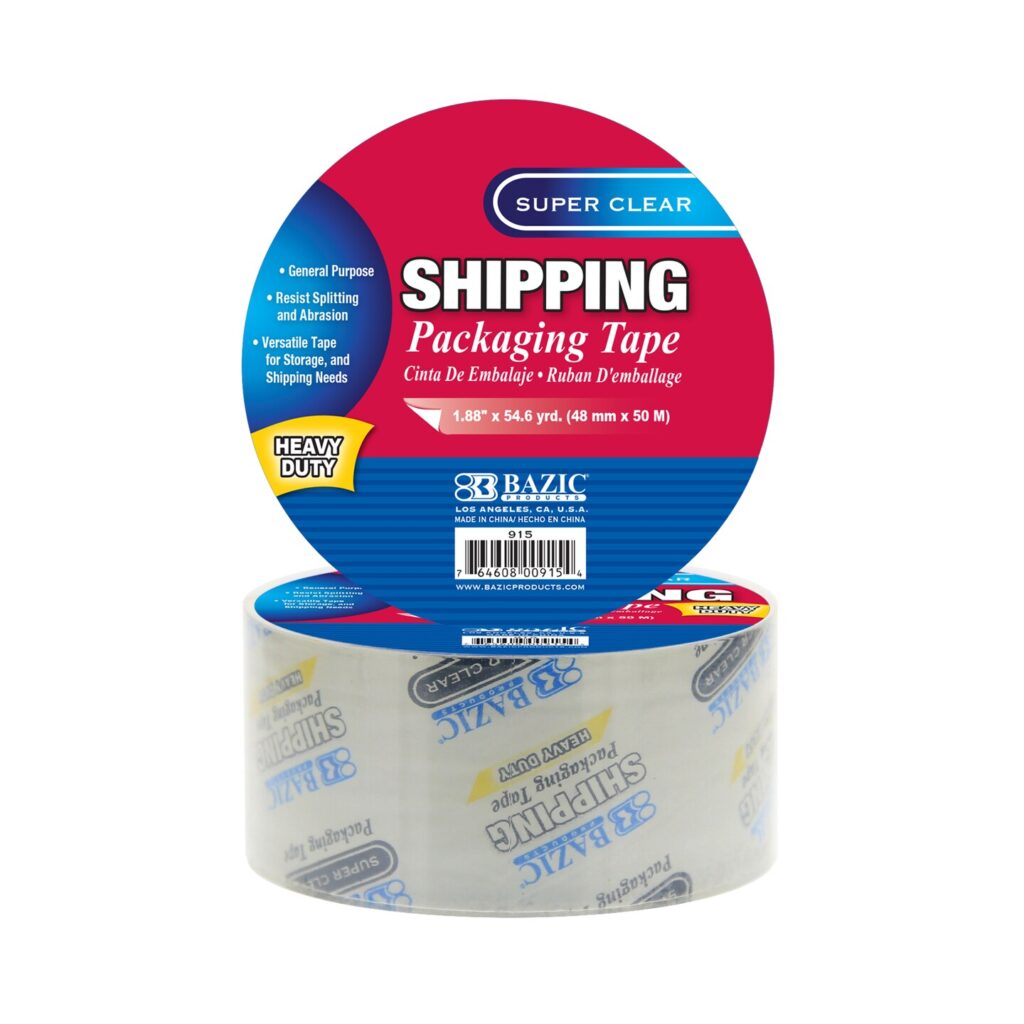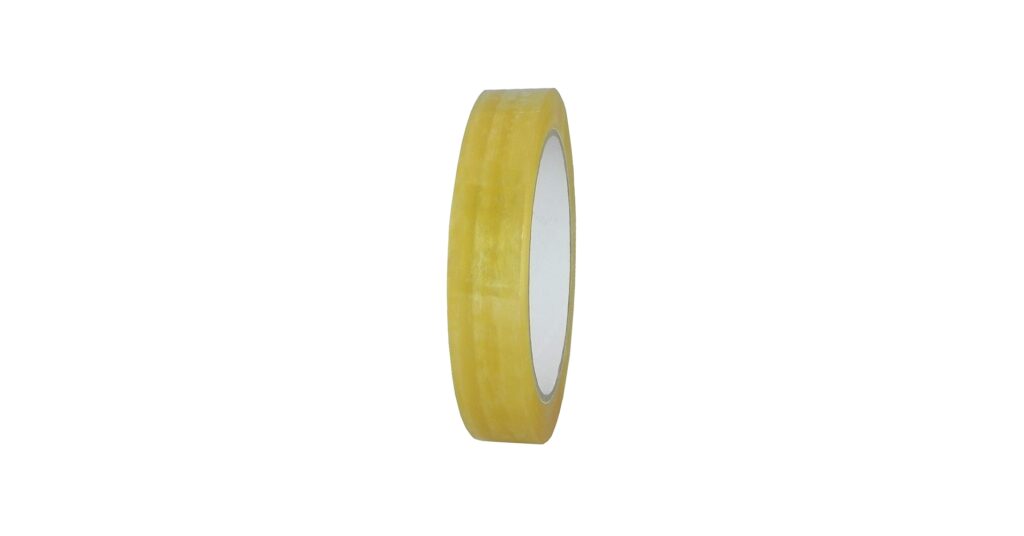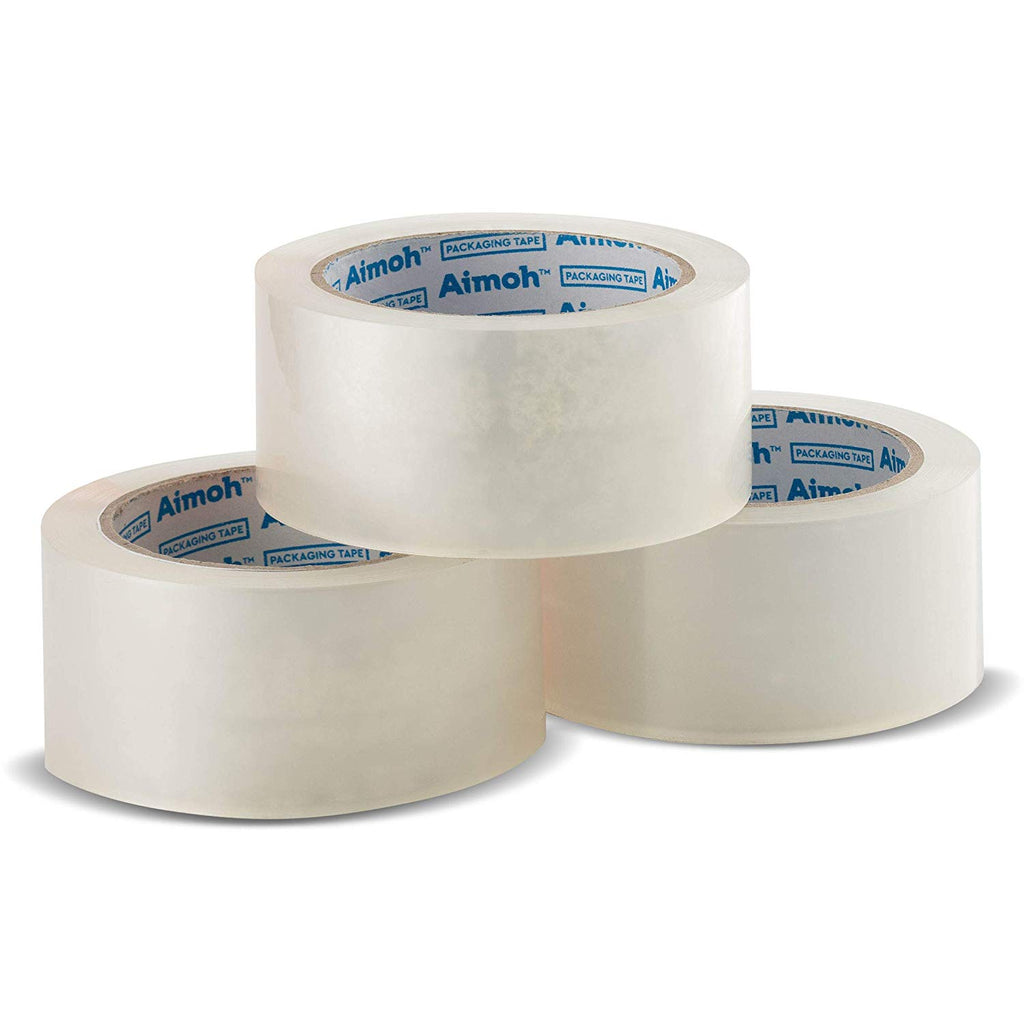
Introduction: Navigating the Global Market for Cloth tape for packaging
Sourcing cloth tape for packaging that maintains adhesive integrity across fluctuating temperatures and humidity levels represents a critical procurement challenge for international logistics managers. Whether sealing corrugated containers for export from Vietnam or securing palletized goods destined for German distribution centers, selecting the wrong tape specification can result in seal failures, product damage, and costly customs delays. Unlike conventional OPP alternatives, cloth-backed adhesive solutions provide the tensile strength, hand-tearability, and clean removability required for demanding B2B applications ranging from heavy-duty carton sealing to temporary industrial holding and fabric repair.
Why is specification-critical cloth tape sourcing vital for cross-border operations?
Global supply chains demand packaging materials that perform reliably from humid South American ports to arid Middle Eastern logistics hubs and diverse African climates. This guide addresses the specific pain points facing procurement teams across these regions who must balance cost efficiency with performance durability. We examine critical material distinctions between PET wooly and spun rayon backings, evaluate adhesive formulations for low-temperature performance, and analyze thickness specifications that prevent “carton pop” and seal failures during rough handling and long-haul transit.
What strategic advantages will this guide deliver to international buyers?
Throughout the following sections, you will discover actionable frameworks for supplier vetting, including quality certification verification and production capacity assessment tailored to regional manufacturing standards. We explore application-specific selection criteria distinguishing heavy-duty sealing tapes from removable labeling solutions, analyze minimum order quantities and lead time optimization, and provide cost-optimization strategies that account for bulk volume pricing, currency fluctuations, and international shipping logistics. By mastering these procurement fundamentals, buyers from Europe to emerging markets gain the technical authority to negotiate specifications, mitigate supply chain risks, and secure packaging solutions that protect product integrity across every transit mile.
Understanding Cloth tape for packaging Types and Variations
| Type Name | Key Distinguishing Features | Primary B2B Applications | Brief Pros & Cons for Buyers |
|---|---|---|---|
| PET Wooly Reinforced Cloth Tape | Hybrid construction (spun rayon warp/PET wooly weft); optimized cost-performance; smooth unwind; low-temp adhesion | General carton sealing; cold chain logistics; automated packaging lines | Pros: Cost-effective for high volumes, excellent machinability Cons: Limited color range, moderate tensile strength |
| Heavy-Duty Spun Rayon Cloth Tape | Natural fiber backing; thick adhesive coating; high initial tack; clean removal properties | Heavy carton sealing (>30kg); temporary protective covering; bundling irregular shapes | Pros: Superior surface conformity, residue-free removal Cons: Higher unit cost, thicker profile affects storage |
| Double-Coated Cloth Tape | Adhesive on both sides; woven fabric carrier; high shear strength; liner-backed | Bonding foam inserts; pallet stabilization; display assembly | Pros: Eliminates mechanical fasteners, permanent bonding Cons: Requires liner removal process, application complexity |
| Matte Finish Printable Cloth Tape | Non-reflective writable surface; accepts ink/thermal printing; low-tack adhesive | Inventory color-coding; temporary labeling; barcode applications | Pros: Enhances traceability, professional appearance Cons: Reduced moisture resistance, premium pricing |
| Colored High-Visibility Cloth Tape | Pigment-stabilized woven backing; wide color variation; UV-resistant hues | Warehouse zone marking; hazard communication; departmental workflow segregation | Pros: Immediate visual identification, customizable safety compliance Cons: Higher MOQs for custom colors, potential dye transfer risk |
What Makes PET Wooly Cloth Tape Cost-Effective for High-Volume Export Packaging?
PET wooly cloth tape utilizes a hybrid base material construction featuring spun rayon warp threads combined with PET wooly weft fibers. This engineering delivers exceptional tensile strength while significantly reducing material costs compared to pure natural fiber alternatives. Its formulation ensures reliable adhesion even in low-temperature environments, making it particularly suitable for cold chain logistics and climate-variable international shipping routes. For B2B procurement teams, this type offers outstanding compatibility with automated carton sealing equipment due to its smooth unwind characteristics and consistent thickness, though buyers should verify color availability matches branding requirements.
When Should
Key Industrial Applications of Cloth tape for packaging
| Industry/Sector | Specific Application of Cloth tape for packaging | Value/Benefit for the Business | Key Sourcing Considerations for this Application |
|---|---|---|---|
| Export Logistics & International Freight | Sealing heavy corrugated cartons and palletized loads for long-distance sea and air freight | Prevents carton burst during rough handling in humid ports; clean removal allows carton reuse; cost-effective for high-volume operations | Tensile strength >80N/25mm; natural rubber adhesive for dust tolerance; moisture-resistant backing; compatible with manual and semi-automated sealers |
A stock image related to Cloth tape for packaging.
3 Common User Pain Points for ‘Cloth tape for packaging’ & Their Solutions
Scenario 1: Why Does Cloth Tape Fail on Recycled Cardboard Surfaces?
The Problem:
B2B buyers transitioning to sustainable packaging face unexpected adhesion failures when standard cloth tape encounters the dusty, short-fiber surface of recycled corrugated board common in European and Vietnamese manufacturing. The porous nature of recycled materials absorbs adhesive prematurely, while fluctuating humidity levels in international shipping lanes—particularly tropical routes to Africa and Southeast Asia—compromise the bond strength. This leads to carton seal failures, inventory exposure, and potential customs delays when shipments arrive damaged or partially opened, creating liability issues for exporters who assumed cloth tape would perform universally across all board grades.
The Solution:
Specify cloth tape formulations with high-tack rubber adhesives specifically engineered for low-surface-energy substrates like recycled Kraft paper. Prioritize tapes using PET wooly weft constructions that conform to irregular recycled fiber textures better than standard woven options. Conduct adhesion testing on your specific recycled board grades—aim for minimum 7.5N/25mm adhesive strength ratings and verify performance at 0°C to account for cold-chain logistics. For critical exports, apply tape using automated carton sealers with consistent 2-3kg pressure rollers to ensure full contact with uneven surfaces, and avoid hand-application inconsistencies that plague manual packaging stations.
Scenario 2: Is Cloth Tape Strong Enough for Heavy-Duty Export Shipping?
The Problem:
Logistics managers struggle to determine whether cloth tape provides sufficient tensile strength for heavy palletized goods traveling long distances from Germany to Middle Eastern distribution centers. Unlike filament tape with glass fiber reinforcement, standard cloth tape may elongate up to 9% under stress, potentially allowing box seams to creep open during multi-modal transport through varying climate zones. This creates uncertainty when securing loads exceeding 25kg per carton, particularly when containers experience temperature fluctuations between -10°C and 50°C during ocean freight, risking damage to high-value industrial components.
The Solution:
Select heavy-duty cloth tape with spun rayon warp construction offering 90N/25mm tensile strength minimum and less than 2% elongation under load. Verify the tape maintains holding power below 2.0mm/30min under shear stress. For shipments exceeding 30kg or requiring strapping replacement, specify cloth tape with reinforced mesh backing or hybrid cloth-filament construction that combines flexibility with strength. Apply using the “H-pattern” sealing method on all export cartons—sealing center seams and edge reinforcements—and store tape in climate-controlled environments (15-25°C) prior to application to optimize adhesive performance in extreme destination climates.
Scenario 3: How to Balance Cost Efficiency With Clean Removal Requirements?
The Problem:
Procurement teams face the dilemma of choosing between low-cost plastic tapes that leave permanent residue and premium cloth tapes that strain packaging budgets across high-volume operations in South America and Africa. When reusing shipping boxes for return logistics or internal warehouse cycling, plastic tape residues contaminate cardboard fibers, reducing recyclability and creating labor-intensive cleanup that offsets initial savings. However, standard cloth tape pricing can exceed OPP tape costs by 40-60%, complicating cost-per-unit calculations for budget-conscious operations that still require professional presentation.
The Solution:
Calculate total cost of ownership rather than roll price alone. Cloth tape’s clean removal properties enable 3-5 box reuse cycles, reducing per-shipment packaging costs by 60% over time while supporting circular economy initiatives. Specify cost-optimized cloth tape using PET wooly base materials that balance performance with affordability—look for 0.21mm thickness specifications that provide adequate strength without excess material. For temporary labeling applications, utilize the smooth texture of cloth tape for identification that removes without trace. Implement inventory rotation protocols to prevent aging, as rubber adhesives degrade after 12 months in warehouse storage, affecting both adhesion and removability characteristics critical for reuse strategies.
Strategic Material Selection Guide for Cloth tape for packaging
For B2B procurement teams managing cross-continental supply chains—from humid African logistics hubs to European cold-chain facilities—substrate selection for cloth packaging tape represents a critical technical decision affecting seal integrity and total cost of ownership. The base material determines not only tensile strength and adhesive compatibility but also operational factors like hand-tearability, moisture resistance, and performance across temperature extremes. Understanding these material distinctions enables buyers to match specifications precisely to environmental demands, whether sealing corrugated exports in Vietnamese monsoon seasons or securing automotive components for German manufacturing lines.
Which natural fiber backing delivers optimal cost-efficiency for manual packaging lines?
Spun rayon, a regenerated cellulose fiber, remains the industry standard for general-purpose cloth packaging tape across emerging markets. Its woven construction provides exceptional hand-tearability in both longitudinal and cross directions, eliminating the need for cutting tools in manual packaging environments common throughout South American and African manufacturing facilities. The fibrous surface creates mechanical bonding with natural rubber adhesives, ensuring reliable adhesion to corrugated cardboard even when surface dust or minor oil contamination is present. However, procurement teams must account for hygroscopic behavior—spun rayon absorbs atmospheric moisture, potentially causing adhesive degradation and edge lifting in high-humidity Middle Eastern ports or tropical climates. For these regions, specifying moisture-resistant adhesive formulations becomes essential. From a cost perspective, spun rayon occupies the entry-level tier, offering the lowest unit cost among woven substrates while providing adequate performance for non-critical, high-volume commodity packaging where extreme durability remains secondary to operational economics.
How does PET wooly substrate enhance performance in cold-chain and climate-variable logistics?
Polyethylene terephthalate (PET) wooly fabric utilizes mechanically textured synthetic fibers that create a high-surface-area “fuzzy” profile, significantly improving adhesive anchorage compared to smooth synthetic alternatives. This substrate excels in European pharmaceutical distribution and German automotive parts packaging, maintaining pliability and seal integrity at temperatures as low as -10°C where natural fibers become brittle and prone to cracking. The hydrophobic nature of polyester eliminates moisture absorption concerns, preventing the dimensional instability and “tunneling” effects often observed with cellulosic tapes when applied to curved or irregular carton surfaces. Additionally, the smooth unwinding characteristics reduce noise levels in high-volume fulfillment centers—an ergonomic consideration for worker comfort during extended packaging operations. While material costs typically run 15-20% higher than spun rayon alternatives, the enhanced reliability in climate-variable shipping lanes and reduced failure rates during transit frequently result in lower total applied costs for temperature-sensitive exports.
When should procurement teams specify polyethylene laminated cloth for heavy-duty export applications?
Polyethylene laminated cloth represents the premium tier of packaging substrates, constructed with a woven fabric core encapsulated between co-extruded polyethylene film layers. This composite structure creates a waterproof, abrasion-resistant barrier ideally suited for Middle Eastern construction material exports, Vietnamese agricultural machinery packaging, and African mining supply chains where goods face monsoon conditions, desert sand exposure, or extended outdoor storage. Unlike standard woven tapes, the lamination prevents fiber fraying during high-speed automated application, reducing maintenance downtime on carton sealing machinery. The substrate demonstrates exceptional UV resistance, maintaining adhesive integrity during prolonged exposure to direct sunlight—a critical factor for ports lacking covered storage facilities. The primary limitation involves rigidity; the polyethylene coating eliminates hand-tearability, necessitating dispenser-mounted cutting blades that may slow manual operations. Furthermore, the waterproof barrier reduces carton breathability, potentially trapping condensation in certain applications. These performance advantages command a premium price point, typically 30-40% above standard cloth alternatives, positioning this material for high-value goods where weatherproof security justifies the investment.
| Material | Typical Use Case for Cloth tape for packaging | Key Advantage | Key Disadvantage/Limitation | Relative Cost |
|---|---|---|---|---|
| Spun Rayon (Viscose) | General commodity packaging, manual carton sealing in moderate climates | Excellent hand-tearability; compatible with rubber adhesives | Moisture absorption causes edge lift in humid environments | Low |
| PET Wooly/Textured Fabric | Cold-chain logistics, automotive parts, climate-variable shipping | Superior low-temperature flexibility; humidity-resistant | Higher unit cost; requires precise tension control | Medium |
| Polyethylene Laminated Cloth | Heavy-duty export, construction materials, outdoor/agricultural storage | Waterproof; UV and abrasion resistant | Cannot be hand-torn; requires cutting tools; less breathable | High |
A stock image related to Cloth tape for packaging.
In-depth Look: Manufacturing Processes and Quality Assurance for Cloth tape for packaging
Understanding the manufacturing workflows and quality assurance protocols behind cloth packaging tape empowers procurement teams to assess supplier capabilities accurately and mitigate supply chain risks. For buyers sourcing from international markets—including emerging economies in Africa, South America, and Southeast Asia, as well as regulated European markets—knowledge of production standards ensures consistent product performance across varying climate conditions and handling requirements. This section examines the critical manufacturing stages and quality benchmarks that distinguish industrial-grade cloth tape from commodity alternatives.
How Is High-Performance Cloth Tape Manufactured for Industrial Packaging?
The production of cloth packaging tape begins with substrate engineering, where woven or knitted fabrics serve as the mechanical backbone. Premium manufacturers utilize blended textiles such as spun rayon warps combined with PET woolly wefts, creating a balanced matrix that delivers tensile strength while maintaining hand-tearability. This fabric undergoes surface treatment processes including corona treatment or flame treatment to enhance surface energy, ensuring optimal adhesive anchoring during the coating phase.
Adhesive application represents the critical value-add stage, typically employing hot-melt rubber-based compounds or solvent acrylic systems applied via comma coating or knife-over-roll methods. The coating weight—measured in grams per square meter—directly impacts adhesion strength and holding power. Following application, the tape passes through controlled drying tunnels where temperature and airflow are precisely regulated to remove carriers while activating cross-linking in pressure-sensitive adhesives. Finally, precision slitting operations convert master rolls into specified widths (commonly 25mm to 100mm) with strict tension control to prevent edge curling or deformation during unwinding.
What Quality Control Protocols Ensure Tape Performance Consistency?
Robust quality assurance begins with incoming raw material verification, where fabric lots are tested for thread count consistency, tensile integrity, and moisture content before entering production. During coating operations, inline viscosity monitors and coat-weight gauges provide real-time feedback, allowing operators to adjust adhesive deposition rates to maintain ±5% tolerance ranges. Environmental controls prove particularly crucial; manufacturing facilities must maintain 45-55% relative humidity and 20-25°C ambient temperatures to prevent adhesive skinning or fabric distortion.
In-process testing includes peel adhesion checks using standardized stainless steel panels, measuring force values typically targeting 7.0-8.0 N/25mm for general packaging applications. Holding power tests—assessing resistance to shear forces over 30-minute intervals—verify that tapes maintain position under load without slippage. Automated vision systems inspect finished rolls for coating voids, wrinkles, or contamination, while manual sampling validates hand-tear characteristics and unwind force consistency, typically maintained at 4.0-6.0 N/25mm to balance ease of use with roll stability.
Which Technical Specifications Indicate Superior Cloth Tape Durability?
When evaluating manufacturing quality, buyers should scrutinize quantitative performance metrics that correlate with field reliability. Tensile strength specifications—often ranging from 80-100 N/25mm for standard duty and exceeding 150 N/25mm for heavy-duty variants—indicate resistance to breakage during high-tension sealing operations. Elongation percentages (typically 8-12%) reveal the tape’s ability to accommodate package expansion or contraction without adhesive failure.
Thickness consistency serves as a proxy for coating uniformity; quality cloth tapes maintain total thickness within ±0.02mm of stated specifications (commonly 0.20-0.25mm), ensuring compatibility with automated dispensing equipment. Low-temperature adhesion properties prove critical for cold-chain logistics prevalent in European and Middle Eastern markets—premium formulations maintain tackiness down to 5°C or below, whereas commodity tapes may experience adhesive embrittlement. Additionally, residue-free removal characteristics, verified through 24-hour dwell tests on cardboard substrates, indicate clean removability essential for reusable packaging systems and labeling applications.
How Do Manufacturers Ensure Consistent Quality Across Export Markets?
Leading producers implement standardized manufacturing protocols aligned with ISO 9001 quality management systems to ensure batch-to-batch consistency regardless of destination market. For buyers in tropical climates (Africa, Southeast Asia, Vietnam), manufacturers must validate humidity resistance through accelerated aging tests at 85% relative humidity, preventing adhesive degradation during ocean freight. Conversely, tapes destined for European markets often require compliance with REACH regulations and RoHS directives, necessitating heavy-metal-free adhesive formulations and formaldehyde-free fabric treatments.
Packaging integrity during transit represents a final quality checkpoint; moisture-barrier wrapping and palletized loading prevent compression damage and humidity ingress that could compromise adhesive performance before use. Comprehensive documentation—including Certificate of Analysis (CoA) detailing peel strength, tensile values, and elongation percentages—enables buyers to verify specifications upon receipt. Establishing supplier audit programs that review manufacturing facility capabilities, calibration records for testing equipment, and operator training protocols further ensures that quality standards translate from specification sheets to delivered product.
Practical Sourcing Guide: A Step-by-Step Checklist for ‘Cloth tape for packaging’
Procuring cloth tape for international packaging operations requires balancing technical specifications with supply chain realities. Whether sourcing for humid climates in Southeast Asia or cold-chain logistics in Europe, B2B buyers must evaluate material performance beyond standard datasheets. This checklist provides actionable criteria to assess substrate compatibility, supplier capabilities, and compliance requirements specific to cross-border procurement.
1. How Do You Define Application Requirements and Environmental Conditions?
Begin by distinguishing between permanent sealing and temporary bundling needs. Cloth tape offers clean removal for labeling applications, while heavy-duty variants suit structural reinforcement. Map environmental stressors: high-humidity markets in South America or the Middle East demand moisture-resistant adhesives, whereas European cold-chain operations require low-temperature adhesion performance (below 0°C) without cracking or delamination.
2. What Material Specifications Ensure Cost-Effective Performance?
Analyze substrate composition carefully. PET wooly weft constructions provide superior cost-efficiency compared to traditional spun rayon while maintaining 90N/25mm tensile strength. Verify critical metrics: 0.21mm thickness for dispenser compatibility, 7.70N/25mm adhesive strength for carton sealing, and 9% elongation to accommodate package expansion. These specifications ensure compatibility with automated packaging lines while preventing waste from excessive unwind force.
3. How Can You Verify Supplier Certifications and Customization Capabilities?
Request ISO 9001 quality management documentation and SGS testing reports for adhesion consistency. For EU markets, confirm REACH and RoHS compliance; Middle Eastern imports require SASO or GCC certification. Evaluate customization flexibility: can the manufacturer produce color-matched solutions beyond standard cardboard tones, or provide private-label printing? Assess minimum order quantities (MOQs) for customized runs versus standard stock items.
4. What Testing Protocols Validate Real-World Performance?
Implement sample testing protocols before bulk commitment. Conduct shear-resistance evaluations (holding power under 2.0mm/30min standards) and 180-degree peel tests on your actual substrate materials. Verify removability claims—quality cloth tape should release cleanly without fiber tear or adhesive residue transfer. Test low-temperature application if shipping to northern European or high-altitude African markets.
5. How Do You Optimize Logistics Specifications for International Transit?
Specify roll dimensions that maximize container utilization—standard 25m and 50m lengths in widths ranging from 25mm to 100mm. Require humidity-resistant pallet packaging for sea freight to tropical regions. Confirm storage stability: cloth tape requires temperature-controlled warehousing (15-25°C) away from direct sunlight to prevent adhesive degradation during extended transit periods common in intercontinental shipping.
6. What Contract Terms Protect Cross-Border Procurement?
Negotiate comprehensive SLAs covering lead time guarantees, acceptable defect rates (typically <0.5%), and batch consistency protocols. Secure technical support availability across multiple time zones. Verify the supplier’s experience with destination-specific customs documentation, including Certificate of Origin and material safety data sheets (MSDS) required for Middle Eastern and African port clearances.
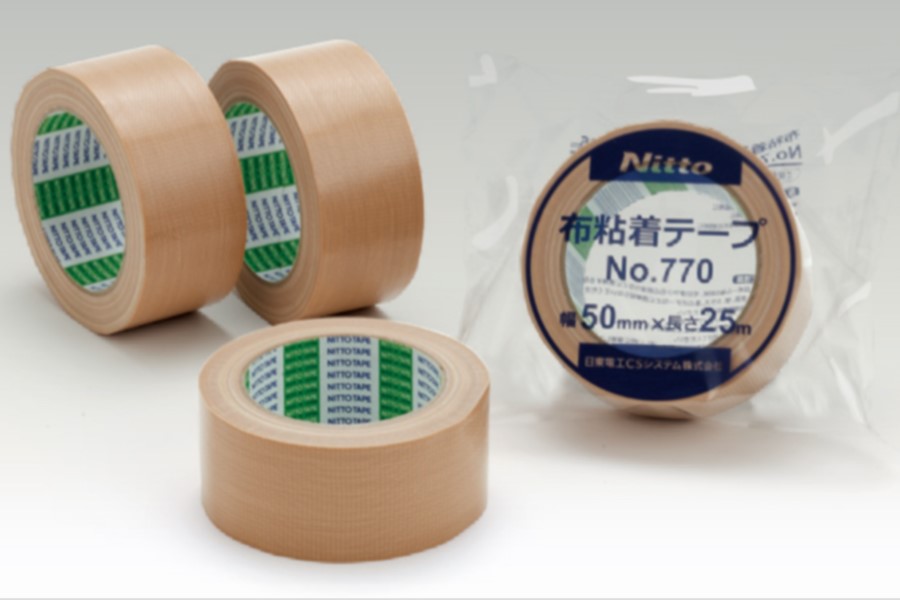
A stock image related to Cloth tape for packaging.
Comprehensive Cost and Pricing Analysis for Cloth tape for packaging Sourcing
Cloth tape procurement requires looking beyond per-roll pricing to understand the total cost architecture. For international buyers sourcing from Asian manufacturing hubs, material specifications, volume commitments, and logistics configurations collectively determine the true landed cost. Strategic sourcing decisions hinge on analyzing these variables to balance performance requirements with budget constraints.
What Factors Drive the Base Material Costs of Cloth Packaging Tape?
The substrate composition significantly influences unit pricing. Tapes utilizing PET wooly weft with spun rayon warp—common in cost-effective grades—offer a balance between durability and price point, typically ranging 15-30% lower than pure cotton or glass cloth alternatives. Thickness variations (standard 0.21mm versus heavy-duty 0.25mm+) and adhesive coating density directly impact material consumption. Standard cardboard-colored tapes minimize pigment costs, while custom color matching or metallic finishes require additional processing, adding $0.02-$0.05 per square meter.
How Do Order Volumes Impact Cloth Tape Pricing for International Buyers?
Volume tiers create substantial pricing differentials. Manufacturers typically structure MOQs at 5,000-10,000 rolls for standard specifications, with price reductions of 8-12% at 50,000+ roll commitments. For buyers in Africa and South America, consolidating orders into 20-foot or 40-foot high-cube containers optimizes per-unit shipping costs, whereas European buyers might leverage regional distribution hubs to minimize import duty complexities. Custom OEM specifications—such as private-label printing or specialized widths—often require 30% higher MOQs but offer competitive branding advantages.
What Hidden Costs Should B2B Buyers Consider Beyond Unit Price?
Beyond the base quotation, several cost drivers affect total procurement spend. Custom printing incurs one-time plate charges ($200-$500) and setup fees per production run. Export packaging requirements, including moisture-barrier wrapping and ISPM-15 certified pallets, add $0.50-$1.20 per carton. Compliance certifications (REACH for Europe, SGS testing) represent fixed costs that amortize across larger volumes. Additionally, buyers should factor destination-specific import duties—ranging from 5-15% in Middle Eastern markets to 12-25% in select South American countries—and VAT obligations that impact cash flow.
How Can Buyers Optimize Payment Terms and Shipping for Cost Efficiency?
Payment structure significantly affects working capital requirements. While 30% deposit/70% B/L copy remains standard, negotiating 60-day payment terms for established relationships can improve cash flow by 2-3%. Shipping terms present another optimization lever: FOB arrangements allow buyers to control ocean freight rates, potentially saving 15-20% versus CIF quotes during low-season shipping periods. For smaller importers, Less-than-Container-Load (LCL) consolidation services reduce inventory holding costs, though buyers should verify that mixed-container handling doesn’t compromise tape adhesion through humidity exposure during extended transit times.
Alternatives Analysis: Comparing Cloth tape for packaging With Other Solutions
Selecting the optimal sealing solution requires evaluating operational demands against material capabilities. While cloth tape offers distinct advantages in specific scenarios, understanding how it stacks against mainstream alternatives enables procurement teams to balance performance requirements with budget constraints. This analysis examines cloth tape against two prevalent alternatives: OPP (Oriented Polypropylene) packaging tape and rubber-based duct tape.
Which Packaging Solution Delivers Superior Value for International Shipments?
| Comparison Aspect | Cloth Tape for Packaging | OPP Packaging Tape | Duct Tape |
|---|---|---|---|
| Material Composition | Woven fabric backing (spun rayon/PET wooly) with synthetic adhesive | Polypropylene film with acrylic or hot melt adhesive | Polyethylene-coated cloth scrim with rubber-based adhesive |
| Tensile Strength | High (90 N/25mm typical), resists edge tearing | Moderate; prone to splitting under stress | Very high; reinforced for heavy bundling |
| Temperature Performance | Superior low-temp adhesion (effective below 0°C) | Limited range; adhesive may turn brittle in freezing conditions | Moderate; rubber adhesive degrades under extreme heat |
| Surface Compatibility | Excellent on cardboard, rough surfaces, and recycled fibers | Optimal for clean, dry corrugated surfaces | Versatile on metal, plastic, concrete, and uneven substrates |
| Cost Structure | Premium per meter; higher material investment | Economical for high-volume operations | Mid-range; varies significantly by grade |
| Ease of Implementation | Hand-tearable, no dispenser required, quiet application | Requires dispenser/cutter for clean application; compatible with automated sealers | Difficult to tear by hand; requires cutting tools |
| Residue & Removal | Clean removal, minimal fiber tear or adhesive transfer | Potential ghosting on aged surfaces; permanent bonding on some substrates | High residue risk; surface contamination likely |
| Best Application | Cold chain logistics, temporary holds, reusable export packaging | High-speed automated sealing, standard carton closing in climate-controlled environments | Permanent repairs, heavy-duty bundling, moisture barrier sealing |
Is OPP Packaging Tape More Cost-Effective Than Cloth Tape for Standard Operations?
OPP tape dominates high-volume packaging environments due to its exceptional cost efficiency and compatibility with automated dispensing systems. For operations shipping standard corrugated boxes in temperate climates—common in European distribution centers—OPP provides adequate adhesion at significantly lower per-unit costs than cloth alternatives. However, cloth tape outperforms OPP in challenging environments frequently encountered in African and South American supply chains, particularly where cold storage logistics or rough-handling conditions exist. The PET wooly construction of modern cloth tapes maintains adhesive integrity in freezing temperatures where polypropylene films become brittle and fail. Procurement teams should reserve OPP for high-throughput, climate-controlled facilities while specifying cloth tape for temperature-sensitive supply chains or premium packaging requiring clean removal without substrate damage.
When Does Duct Tape Outperform Cloth Tape in Industrial Applications?
Despite visual similarities, duct tape serves fundamentally different functions than cloth packaging tape in B2B contexts. The rubber-based adhesive system in duct tape creates permanent, airtight seals ideal for moisture barrier applications and heavy-duty repairs, but this permanence becomes a liability in standard packaging workflows. Duct tape’s aggressive bonding leaves substantial residue and risks surface damage upon removal, making it unsuitable for returnable packaging or quality-sensitive surfaces common in German manufacturing exports. Conversely, cloth tape’s balanced adhesion provides sufficient holding power for transit while enabling clean removal—critical for reusable export crates and Middle Eastern trade routes where packaging aesthetics impact brand perception. Duct tape excels in construction and HVAC applications, but for logistics operations requiring professional presentation and substrate protection, cloth tape delivers superior versatility without the cleanup costs associated with rubber adhesive removal.
Essential Technical Properties and Trade Terminology for Cloth tape for packaging
When evaluating cloth tape for international export packaging and heavy-duty logistics, procurement teams must interpret technical datasheets across varying regional standards. Understanding these specifications ensures compliance with both performance requirements and customs documentation, particularly when sourcing from Asian manufacturers for markets in Africa, South America, the Middle East, and Europe.
What Technical Specifications Determine Load-Bearing Capacity in Cloth Packaging Tape?
Tensile Strength measures the force required to break the tape, expressed in Newtons per 25mm (N/25mm) or pounds per inch. For containerized shipping and palletized loads, specify values exceeding 80 N/25mm to withstand rough handling and stacking pressures during long-haul transport.
Adhesion Strength indicates bonding power to corrugated cardboard and recycled paper surfaces, typically ranging 6–10 N/25mm for industrial cloth tapes. Higher values prove critical in humid climates prevalent in African and Southeast Asian logistics corridors, preventing seal failure during monsoon seasons or maritime transport.
Elongation at Break, expressed as a percentage (typically 5–15%), determines flexibility when conforming to irregular carton edges and stressed seams. Tapes with 8–12% elongation accommodate thermal expansion without snapping, essential for Middle Eastern desert storage and European winter warehousing.
Holding Power (Shear Resistance) measures slippage under static load, reported in millimeters per 30 minutes. Premium cloth tapes demonstrate less than 3mm movement, ensuring sealed cartons remain intact during vibration-intensive air freight or bumpy last-mile delivery in developing infrastructure regions.
Caliper (Thickness) typically ranges 0.20–0.25mm (210–250 microns). Thicker variants provide superior abrasion resistance for pallet wrapping, though procurement teams must verify compatibility with existing carton sealing machines to avoid dispensing jams.
What Industry Terminology Distinguishes Cloth Tape Grades in Global Trade?
PET Wooly refers to textured polyester woven substrates utilizing bulked continuous filament (BCF) yarns. This cost-effective alternative to pure cotton scrim maintains tensile integrity while reducing raw material costs, commonly specified in Vietnamese and Chinese manufacturing contracts.
Spun Rayon Warp describes the longitudinal natural fiber threads providing hand-tear convenience, distinct from synthetic weft components. This construction allows manual application without cutting tools, crucial for field repairs in remote African or South American distribution centers.
Poly-laminated Construction indicates multi-layer backings combining woven cloth scrim with polyethylene film coatings. This hybrid structure delivers moisture resistance and prevents adhesive bleed-through during high-humidity storage, a frequent requirement for Middle Eastern port facilities.
Unwinding Force quantifies the tension required to dispense the tape from the roll, measured in N/25mm. Values between 4–6 N/25mm indicate smooth, consistent application compatible with high-speed automated sealers used in German and European packaging lines.
Temperature Resistance Ratings specify operational ranges (typically -10°C to 80°C) indicating adhesive stability across climate zones. B2B buyers should verify these ratings support both refrigerated pharmaceutical chains and ambient storage in tropical environments.
Clean Removal Properties describe adhesive formulations utilizing synthetic rubber or hot-melt compounds that release without residue from corrugated surfaces. This characteristic supports reusable packaging systems and simplifies quality control inspections during customs clearance processes.
Navigating Market Dynamics and Sourcing Trends in the Cloth tape for packaging Sector
What Are the Emerging Regional Demand Patterns for Industrial Cloth Packaging Tape?
The global cloth tape for packaging market is experiencing a significant structural shift as emerging economies in Africa, South America, and the Middle East ramp up infrastructure development and export manufacturing activities. Buyers in these regions increasingly prioritize cost-performance optimization, driving demand for innovative hybrid base materials such as PET wooly combined with spun rayon warps that deliver exceptional durability without premium pricing structures. Unlike standard OPP alternatives, cloth-backed solutions offer superior tensile strength—often exceeding 90N/25mm—for heavy-duty sealing applications, particularly critical in regions with challenging logistics environments where package integrity faces extreme handling conditions and unpredictable temperature fluctuations during transit.
European markets, particularly Germany, demonstrate a contrasting trajectory focused on specification precision, low-temperature adhesion capabilities, and strict compliance with evolving packaging waste directives. Meanwhile, Vietnam’s rapidly expanding manufacturing sector seeks versatile sealing solutions that accommodate both domestic distribution networks and rigorous international export standards. The market is witnessing a diversification beyond traditional cardboard-color offerings, with B2B purchasers requesting customized widths and lengths—ranging from 25mm to 100mm variations—to optimize material usage across automated carton sealers and manual packaging operations. Suppliers are responding by expanding SKU flexibility while maintaining competitive bulk pricing structures essential for high-volume procurement teams managing complex international supply chains across multiple continents.
Supply chain resilience has emerged as a critical purchasing criterion following recent global disruptions, port congestion, and shipping volatility that particularly affected developing markets. Smart buyers are diversifying their supplier portfolios across multiple manufacturing hubs to mitigate regional instability risks, currency fluctuations, and seasonal demand surges. Additionally, the functional distinction between cloth tape and rubber-based duct tape is becoming more strategically relevant for procurement specialists; while duct tape offers airtight flexibility for construction applications, cloth tape’s clean-removal characteristics and heat-resistant properties make it preferable for temporary protective covering, fabric repairs, and repositionable labeling applications in industrial packaging settings. This functional differentiation is driving specialized procurement strategies where sophisticated buyers maintain distinct inventory categories for specific operational workflows rather than relying on single-solution approaches that compromise efficiency.
How Can Buyers Ensure Sustainable and Ethical Sourcing of Cloth Packaging Materials?
Sustainability compliance is no longer optional for international B2B buyers, particularly when sourcing from Asian manufacturing centers for distribution in environmentally regulated European markets with strict Extended Producer Responsibility frameworks. Forward-thinking procurement teams are actively demanding PVC-free cloth tape alternatives and verifying that laminated or polylaminated backings utilize recyclable adhesive systems that align with circular economy principles and repulpability standards. The shift toward eco-conscious base materials—moving away from traditional synthetic-heavy compositions toward sustainable spun rayon blends—requires rigorous supplier auditing to ensure environmental claims align with actual production practices rather than superficial greenwashing marketing tactics that fail regulatory scrutiny in jurisdictions like Germany and the broader EU.
Ethical sourcing extends beyond material composition to encompass labor practices, workplace safety standards, and carbon footprint transparency throughout the extended value chain. When evaluating heavy-duty cloth tape suppliers, buyers should verify internationally recognized certifications regarding fair wage standards and occupational health protocols, particularly crucial when sourcing from high-volume manufacturing regions serving price-sensitive African and South American markets. Transportation logistics present another sustainability frontier; the substantial weight and bulk density of cloth tape rolls significantly impact shipping emissions and freight costs, prompting sophisticated buyers to establish regional warehousing partnerships or consolidate container shipments to reduce long-haul freight dependencies while ensuring consistent availability of critical SKUs like standard 25m and 50m roll lengths.
End-of-life considerations are increasingly influencing purchasing decisions, with industrial users seeking tapes that leave minimal residue upon removal to facilitate cardboard reuse and paper recycling streams without contamination. Heat-resistant cloth tapes that maintain adhesion integrity during storage in high-temperature climates—common in Middle Eastern and African supply chains—yet release cleanly without substrate damage, represent the optimal intersection of performance and sustainability. Buyers should request comprehensive technical data sheets specifying adhesive chemistry, holding power metrics (typically measured in mm/30
Frequently Asked Questions (FAQs) for B2B Buyers of Cloth tape for packaging
What is the difference between cloth tape and filament tape for packaging applications?
Cloth tape utilizes a woven fabric backing—typically spun rayon or PET wooly—that provides flexibility and easy hand-tearing for general bundling and carton sealing. Filament tape reinforces this structure with embedded fiberglass or polyester threads, delivering tensile strength exceeding 150 N/25mm for heavy-load palletizing. While cloth tape offers conformability to irregular surfaces at approximately 90 N/25mm tensile strength, filament tape provides rigid structural support that prevents box bursting under extreme stress.
Is cloth tape suitable for heavy-duty export shipping and international logistics?
Premium cloth packaging tape with PET wooly substrates withstands the mechanical stresses of international freight, offering tensile strength around 90 N/25mm and holding power of 2.0 mm/30min. The rubber-based adhesive system maintains seal integrity across varying humidity levels encountered in maritime transport from South America to Europe. For maximum security on export pallets, select cloth tapes with thicknesses of 0.21mm that resist shear forces during long-haul movements while conforming to corrugated irregularities.
Can cloth tape adhere effectively to recycled and corrugated cardboard boxes?
Modern cloth packaging tapes feature aggressive rubber adhesives formulated to penetrate the porous, uneven surfaces of 100% post-consumer corrugated cardboard. The thick adhesive coating—unlike standard acrylic tapes—bonds reliably to kraft liners and flute structures despite surface dust and fiber inconsistencies. This makes cloth tape particularly effective for sustainable packaging operations using recycled materials common in African and European markets.
How does cloth tape compare to plastic packing tape for industrial use?
Cloth tape provides superior conformability and hand-tear convenience compared to rigid OPP plastic tapes, eliminating dispenser dependency in fast-paced warehouse environments. While plastic tapes offer higher clarity and lower unit costs, cloth variants excel in low-temperature applications where polypropylene becomes brittle and loses adhesion. The fabric backing also enables clean removal without residue, making cloth tape preferable for temporary holding and reusable packaging systems in industrial settings.
What temperature ranges can cloth packaging tape withstand during cold chain logistics?
Cloth tape maintains adhesive flexibility in sub-zero environments where standard plastic tapes fail, with specialized formulations functioning effectively from -10°C to moderate heat. The PET wooly and spun rayon substrates resist thermal contraction that compromises synthetic tape seals in cold storage facilities. This thermal stability ensures seal integrity for pharmaceutical and food exports from temperate regions to tropical destinations without delamination or cracking.
How do I select the optimal cloth tape width and thickness for automated carton sealing?
Standard widths of 50mm and 75mm provide optimal coverage for heavy-duty carton sealing in automated systems, while 25mm and 38mm suit lighter bundling applications. With a typical thickness of 0.21mm and unwinding force of 5.2 N/25mm, cloth tape requires sturdier dispenser mechanisms than plastic alternatives. For high-volume operations, specify roll lengths of 50 meters to minimize changeover downtime, ensuring your automated line accommodates the tape’s 9% elongation properties.
Does cloth tape leave adhesive residue on reusable packaging materials and sensitive surfaces?
High-quality laminated cloth tapes are engineered for clean removal from cardboard, metal, and plastic surfaces without leaving sticky residues or fiber contamination. This characteristic
Important Disclaimer & Terms of Use
⚠️ Important Disclaimer
The information provided in this guide, including content regarding manufacturers, technical specifications, and market analysis, is for informational and educational purposes only. It does not constitute professional procurement advice, financial advice, or legal advice.
B2B buyers must conduct their own independent and thorough due diligence before making any purchasing decisions. The risk of relying on any information in this guide is borne solely by the reader.
Top 2 Cloth Tape For Packaging Manufacturers & Suppliers List
1. Tape Suppliers – Cloth Tape
Domain: tapesuppliers.com
Registered: 2007 (19 years)
Introduction: Cloth tape (also called fabric tape) is a strong, durable adhesive tape with a cloth backing or core that resembles classic duct tape and gaffer tape. It offers greater tensile strength and more flexible construction compared to standard adhesive tapes. The fabric backing makes the tape particularly strong, resilient, and flexible, advantageous for various projects. It is useful for a wide range o…
2. Strapack – AF-5NS Compact Box Sealing Machine
Domain: mono.ipros.com
Registered: 2002 (24 years)
Introduction: 1. Compact Fully Automatic Adhesive Tape Box Making Machine ‘AF-5NS’ (Strapack): Compact design with lower height; stocks up to 60 cardboard boxes (single); high-speed sealing capacity of max 12 cases per minute (720 cases/hour); installation space less than 2 square meters. 2. OPP anti-fog bag ‘One-sided non-woven fabric pack’ (Seeds Pack): Combines OPP anti-fog film and PP non-woven fabric; high…
Strategic Sourcing Conclusion and Outlook for Cloth tape for packaging
As global supply chains face continued volatility, strategic procurement of cloth tape requires balancing technical specifications with regional operational demands. Buyers must look beyond unit costs to evaluate total application performance across diverse climate zones and evolving regulatory environments.
How Can Global Buyers Optimize Cost-Performance in Cloth Tape Procurement?
Emerging markets increasingly favor PET wooly-based substrates that deliver traditional spun-rayon durability at significantly reduced material costs. When evaluating suppliers, prioritize manufacturers offering scalable MOQs and regional warehousing capabilities to minimize freight expenses from Asia-Pacific production hubs to African, Middle Eastern, and South American destinations. Request technical datasheets comparing tensile strength and elongation metrics to ensure cost reductions do not compromise load-bearing requirements.
What Climate Adaptations Ensure Reliable Performance Across Extreme Environments?
Select formulations with enhanced low-temperature adhesion for European winter logistics alongside heat-resistant backings essential for Middle Eastern and African operations. Moisture-resistant laminations prove critical for humid Southeast Asian transit routes and tropical South American climates, ensuring seal integrity from manufacturing floors through varying seasonal conditions. Verify adhesive stability across your specific temperature ranges before committing to volume orders.
How Are Sustainability Trends Impacting Cloth Tape Sourcing Decisions?
Forward-looking procurement strategies now incorporate PVC-free alternatives and solvent-free adhesive technologies that maintain industrial-grade performance. Verify suppliers’ compliance with evolving EU packaging regulations and circular economy initiatives, as these standards increasingly influence cross-border trade eligibility and corporate ESG reporting requirements. Consider tapes utilizing recycled PET backings where available to align with Scope 3 emission reduction targets.