Introduction: Navigating the Global Market for UV resistant masking tape
When sourcing UV resistant masking tape for demanding outdoor industrial applications, procurement teams across Nigeria, Brazil, and emerging European markets face a critical operational challenge: securing products that maintain adhesive integrity under intense ultraviolet exposure without leaving surface-damaging residue. Standard masking solutions frequently degrade within days in harsh climates, resulting in costly rework, project delays, and compromised finish quality across automotive, construction, and manufacturing sectors where precision masking directly impacts final product value.
Why Is UV Resistance Critical for International Project Success?
Industrial buyers operating in high-sun regions require masking solutions that withstand up to 14 days of continuous outdoor exposure while delivering clean removal from diverse substrates. This guide examines essential performance specifications—including temperature resistance up to 79°C, crepe paper conformability for irregular surfaces, and residue-free removal—that distinguish professional-grade tapes from inadequate alternatives. We address the unique environmental stressors facing operations from Middle Eastern desert conditions to tropical South American humidity, ensuring your technical specifications match actual field requirements rather than theoretical laboratory standards.
How Can Global Buyers Navigate Supplier Selection and Cost Optimization?
Throughout this comprehensive resource, you will discover actionable frameworks for vetting international suppliers, comparing width specifications from 12mm to 96mm for various bundling and masking applications, and calculating total cost of ownership beyond unit price. We analyze regional certification requirements, logistics considerations for African and South American markets, and application-specific guidance for surface protection in extreme environments. Whether managing automotive paint lines in São Paulo or infrastructure projects in Lagos, this guide equips you with the procurement strategies and technical knowledge necessary to make informed purchasing decisions that balance performance reliability with budget constraints in the competitive global marketplace.
Understanding UV resistant masking tape Types and Variations
| Type Name | Key Distinguishing Features | Primary B2B Applications | Brief Pros & Cons for Buyers |
|---|---|---|---|
| Standard Crepe Paper UV Masking Tape | Crinkled paper backing, rubber adhesive, 14-day UV stability, 175°F (79°C) heat resistance, hand-t |
Key Industrial Applications of UV resistant masking tape
| Industry/Sector | Specific Application of UV resistant masking tape | Value/Benefit for the Business | Key Sourcing Considerations for this Application |
|---|---|---|---|
| Automotive Manufacturing & Collision Repair | Precision paint masking during two-tone applications, clear coat protection, and outdoor storage of vehicle bodies awaiting assembly | Eliminates costly rework from adhesive residue; enables outdoor production lines in high-UV regions without compromising paint line quality | Verify 14-day clean removal certification; confirm temperature resistance up to 175°F for bake cycles; ensure compatibility with waterborne and solvent-based automotive paints |
| Construction & Infrastructure Development | Masking windows, facades, and trim during exterior painting; temporary sealing of outdoor fixtures and concrete formwork protection | Allows extended outdoor project timelines without tape failure; prevents surface damage on glass, aluminum, and masonry during multi-week projects | Weatherproof packaging for tropical climates; adhesion strength on concrete, glass, and metal substrates; residue-free removal to avoid damage on rental equipment |
| Marine & Shipbuilding Industries | Masking hull sections during anti-fouling paint application; protecting deck hardware and sensors during outdoor coating in coastal shipyards | Withstands salt spray and intense UV exposure; prevents corrosion-inducing residue on aluminum and fiberglass that could compromise coating integrity | Saltwater resistance standards; conformability to curved hull surfaces; availability of wide formats (72mm+) for efficient large-surface coverage |
| Heavy Equipment & Agricultural Machinery | Masking large machinery components for powder coating; bundling hydraulic lines during field repairs and outdoor assembly protection | Supports just-in-time manufacturing in open-air facilities common in emerging markets; reduces cleaning labor costs by eliminating adhesive residue | Hand-tearability for field technicians without tools; compatibility with high-temperature powder coating processes; bulk pricing for MRO operations |
| Oil & Gas Pipeline Maintenance | Coating application masking on above-ground infrastructure; temporary valve and flange protection during sandblasting in desert environments | Prevents coating defects that lead to corrosion and pipeline failures; maintains adhesion under extreme solar exposure while removing cleanly from steel | Verified 14-day UV ratings for desert conditions; bulk packaging that withstands tropical humidity during ocean freight; temperature stability for heat-shrink sleeve applications |
How Does UV Resistant Masking Tape Solve Paint Line Challenges in Automotive Manufacturing?
In automotive assembly plants from São Paulo to Stuttgart, UV resistant masking tape enables outdoor paint booths and storage yards where vehicle bodies await processing under intense sunlight. The tape’s 14-day UV stability prevents the adhesive degradation that causes edge lifting and sticky residue contamination on sensitive clear coats. For B2B buyers in Nigeria’s emerging vehicle assembly sector, this eliminates costly solvent cleaning and rework while supporting just-in-time production models that inevitably expose components to tropical UV radiation during outdoor staging and logistics operations.
What Are the Critical Applications for UV Masking Tape in Construction and Infrastructure Projects?
Construction contractors across the Middle East and Brazil rely on UV resistant masking tape for exterior facade painting, window sealing, and concrete formwork protection during multi-week infrastructure projects. The tape withstands intense solar exposure without baking onto glass, aluminum framing, or masonry, allowing flexible project timelines without permanent surface damage. For European restoration specialists, clean removal preserves historic substrates while the 175°F temperature resistance accommodates heat guns used in paint stripping, making it indispensable for heritage building renovations.
Why Is UV Resistant Masking Tape Essential for Marine and Offshore Maintenance?
Shipyards in coastal Africa and Latin America require masking solutions that combat both salt spray and ultraviolet radiation during hull painting and deck maintenance operations. UV resistant crepe paper tape conforms to curved fiberglass and steel surfaces while preventing the adhesive transfer that compromises expensive anti-fouling coatings. For offshore platform operators in the Middle East, the tape’s ability to maintain tack in high-heat, high-UV environments ensures reliable masking during critical corrosion protection applications without leaving residue that attracts marine growth or interferes with sensor equipment.
How Can Agricultural Equipment Manufacturers Optimize Production with UV Masking Solutions?
Heavy machinery manufacturers serving Brazil’s agricultural sector and Nigeria’s mining industry utilize UV resistant masking tape for powder coating large equipment components in open-air facilities common in emerging markets. The tape’s hand-tearability allows field technicians to perform quick touch-ups and hydraulic line bundling without specialized tools, while the 175°F temperature rating withstands coating oven cycles. This versatility reduces inventory complexity by replacing multiple specialized tapes with one solution suitable for both high-temperature factory processes and harsh field maintenance operations.
What Sourcing Strategies Ensure Reliable UV Masking Tape Supply for Oil and Gas Pipeline Projects?
Pipeline construction crews across the Middle East and North Africa depend on UV resistant masking tape for coating application on above-ground infrastructure and temporary valve protection during sandblasting operations in desert environments. The tape’s ability to maintain adhesion under extreme solar exposure while removing cleanly from steel surfaces prevents coating defects that lead to costly corrosion and pipeline failures. Procurement teams should prioritize products with verified 14-day UV ratings and bulk packaging options that withstand tropical humidity during ocean freight to remote project sites.
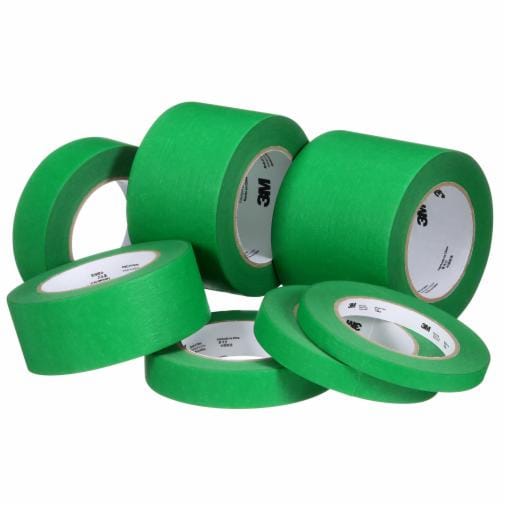
A stock image related to UV resistant masking tape.
3 Common User Pain Points for ‘UV resistant masking tape’ & Their Solutions
Scenario 1: Why Does Standard Masking Tape Leave Permanent Residue After Extended Outdoor Exposure?
The Problem:
On construction and marine projects across Nigeria and the Middle East, standard masking tape left exposed to intense UV radiation for more than 48 hours undergoes adhesive oxidation, leaving stubborn residue on glass, aluminum, and powder-coated surfaces. This creates costly rework scenarios where crews must spend hours scraping and using solvent cleaners to remove hardened adhesive, risking damage to expensive finishes and delaying project handovers. For infrastructure projects requiring multi-week masking periods, adhesive degradation also compromises paint line integrity, causing bleed-through that necessitates complete repainting of sections.
The Solution:
Specify UV-resistant masking tapes engineered for 14-day clean removal even under direct sunlight. Prioritize crepe paper constructions that resist UV-induced brittleness while conforming to irregular substrates. Conduct adhesion tests on your specific surface types—particularly exterior-grade metals and composites common in African and Middle Eastern construction. Establish strict removal protocols aligned with the tape’s rated UV exposure limits, and train crews to avoid overlapping layers that trap heat and accelerate degradation. Select suppliers offering technical documentation verifying residue-free removal on your project timeline.
Scenario 2: How Can Masking Tape Survive High-Temperature Automotive Baking Cycles?
The Problem:
Automotive refinishing facilities in Brazil and Europe frequently encounter tape failure during paint curing cycles when adhesives soften and migrate at temperatures above 150°F (65°C). This causes “paint bridging” and fuzzy mask lines that ruin OEM-quality finishes, resulting in rejected parts and increased labor costs for buffing and rework. The challenge compounds when masked components must sit in outdoor storage prior to baking, as few standard tapes offer both UV stability for outdoor exposure and thermal resistance for curing ovens.
The Solution:
Select UV-resistant tapes rated for temperatures up to 175°F (79°C) for 30 minutes without adhesive transfer or backing shrinkage. Verify compatibility with both solvent-based and waterborne automotive paint systems. Implement a pre-bake inspection protocol to ensure tape edges remain sealed before heat exposure. For powder coating applications, confirm the tape survives initial flash-off periods while providing the UV protection needed for outdoor staging areas. Request thermal stability documentation from suppliers to ensure performance across your specific curing temperature profiles.
Scenario 3: What Prevents Masking Tape From Adhering to Textured Surfaces in Tropical Humidity?
The Problem:
Industrial buyers in coastal regions face tape “edge lift” and blow-off when applying standard products to stucco, concrete, or marine fiberglass in high-humidity environments. Rigid tape backings fail to conform to surface irregularities, while adhesives lose tack when exposed to moisture vapor or condensation during early-morning application. This proves critical for shipyard maintenance and exterior construction where tape must simultaneously resist UV degradation and maintain seal integrity during sudden tropical rain showers, preventing overspray contamination and corrosion of exposed substrates.
The Solution:
Procure high-tack UV-resistant masking tapes with conformable crepe paper backings that mold to rough textures like concrete and gelcoat. Specify moisture-resistant adhesive formulations that maintain bond strength above 80% relative humidity and adhere to “green” or slightly damp surfaces. Ensure surfaces are free of salt residue, mold-release agents, or construction dust before application. In extreme tropical conditions, request samples to test unwind consistency and edge-sealing capability in high humidity. Select widths that allow proper surface contact without bridging across deep texture profiles, ensuring clean paint lines despite challenging climatic conditions.
Strategic Material Selection Guide for UV resistant masking tape
Selecting the appropriate backing material for UV-resistant masking tape requires balancing performance requirements, environmental conditions, and procurement costs against specific application timelines. For procurement teams operating in high-UV regions such as the Middle East, Nigeria, or Brazil, understanding material specifications directly impacts project outcomes, surface integrity, and budget efficiency. This guide
A stock image related to UV resistant masking tape.
In-depth Look: Manufacturing Processes and Quality Assurance for UV resistant masking tape
For procurement teams sourcing UV-resistant masking tape across diverse climates—from the high-humidity environments of West Africa to the intense solar exposure of the Middle East—understanding manufacturing protocols is essential for quality assurance. The difference between standard and UV-resistant formulations lies not merely in marketing claims, but in specific substrate treatments, adhesive engineering, and rigorous validation testing. This section examines the production methodologies and quality control frameworks that distinguish industrial-grade UV masking tapes capable of delivering the promised 14-day clean removal cycle.
How Is UV-Resistant Crepe Paper Substrate Engineered?
The foundation of high-performance UV masking tape begins with saturated crepe paper backing. Manufacturers impregnate natural kraft paper fibers with latex saturation systems that incorporate UV absorbers—typically benzotriazole compounds or hindered amine light stabilizers (HALS)—during the papermaking process. This saturation provides dimensional stability when exposed to infrared radiation while maintaining the conformability necessary for irregular surfaces.
The crimping process, which creates the characteristic crepe texture, must be precisely controlled to ensure consistent elongation (typically 5-15%) without compromising tensile strength. For tropical markets like Brazil or Nigeria, manufacturers often enhance moisture resistance through additional barrier coatings, preventing humidity-induced adhesive degradation that could compromise the UV-resistant bond during outdoor construction phases. The paper’s base weight, usually ranging from 130-160 grams per square meter, directly impacts the tape’s ability to withstand the 175°F (79°C) temperatures common in industrial paint baking applications.
What Adhesive Technologies Ensure Clean Removal After UV Exposure?
The adhesive layer represents the critical differentiator for UV-resistant formulations. Unlike standard masking tapes relying solely on natural rubber adhesives, UV-resistant variants employ synthetic rubber-based systems or modified acrylic formulations incorporating photostabilizers. These compounds prevent the adhesive from oxidizing and cross-linking excessively when exposed to ultraviolet radiation—the primary chemical mechanism causing residue left behind after removal.
The coating process utilizes direct gravure or Meyer rod coating techniques to achieve precise coating weights (typically 25-35 grams per square meter), ensuring sufficient tack for holding power without excessive flow that causes edge bleed. The “controlled unwind” feature specified in industrial datasheets results from optimized silicone release coating application on the backing’s reverse side, preventing the slivering that occurs when adhesive migrates unevenly during unrolling. This precision prevents waste during high-speed application in automotive assembly lines and construction projects.
How Do Manufacturers Validate 14-Day UV Stability?
Quality assurance protocols for UV-resistant masking tapes center on accelerated aging tests that simulate extended outdoor exposure. Manufacturers subject tape samples to QUV accelerated weathering testers, exposing them to cycles of UV-A radiation (340 nm wavelength) at elevated temperatures (typically 60-70°C) for periods equivalent to 14 days of natural exposure.
Adhesion retention testing follows ASTM D3654 standards, measuring the tape’s ability to maintain holding power on stainless steel and painted substrates after UV aging. Additionally, residue evaluation employs standardized peel tests (ASTM D3330) at 180-degree angles, quantifying the force required for removal and visually inspecting substrates for adhesive transfer using standardized rating scales. For B2B buyers in regions with extreme solar intensity, such as the Middle East, requesting specific test data for adhesion retention after UV exposure provides objective verification of performance claims beyond marketing specifications.
What Temperature Resistance Testing Ensures Industrial Reliability?
Beyond UV stability, manufacturing quality control must address thermal performance, particularly for automotive and industrial painting applications where bake cycles are common. Validation protocols subject tape samples to 175°F (79°C) environments for 30-minute intervals, followed by immediate adhesion and cohesion testing using dynamic mechanical analysis.
Heat aging ovens simulate these conditions while monitoring for adhesive bleed-through, backing shrinkage, and edge lifting. The crepe paper’s saturation level proves critical here—insufficient saturation causes thermal decomposition of the paper fibers, while excessive saturation reduces conformability. Manufacturers serving European industrial markets often implement additional testing for low-temperature flexibility per EN 1939 standards, ensuring the tape maintains tack and structural integrity in variable continental climates where outdoor masking may occur in morning dew conditions transitioning to intense afternoon heat.
Which Quality Certifications Should International Buyers Prioritize?
For procurement teams navigating international supply chains, manufacturing quality assurance extends to regulatory compliance and standardization. ISO 9001:2015 certification indicates consistent quality management systems, while ISO 14001 demonstrates environmental responsibility in adhesive manufacturing processes.
For European markets, REACH compliance regarding chemical substances is non-negotiable, particularly concerning phthalate-free plasticizers in adhesive formulations. Buyers in South America and Africa should verify that manufacturing facilities implement Good Manufacturing Practices (GMP) for industrial adhesives and provide batch-specific Certificates of Analysis (CoA) documenting coating weights, adhesion values, and UV stabilizer concentrations. Additionally, RoHS compliance ensures tapes are free from restricted heavy metals, critical for electronics manufacturing applications where UV masking tape serves as temporary surface protection during component assembly and PCB masking.
How Should Buyers Verify Quality Upon Receipt?
Even with robust manufacturing controls, proper storage and handling validation remains essential for B2B buyers. Upon receipt, inspect rolls for consistent unwind tension—excessive tightness indicates potential adhesive cold flow during shipping, while loose winding suggests solvent loss or aging. Verify that packaging includes moisture barrier properties, particularly for shipments to humid climates where kraft paper backings can absorb atmospheric moisture, compromising the UV stabilizer effectiveness.
Check manufacturing dates and shelf life specifications; UV-resistant masking tapes typically maintain optimal performance for 12-18 months when stored at 50-77°F (10-25°C) with 40-60% relative humidity. For large-scale construction projects in Nigeria or Brazil, implementing incoming quality control (IQC) sampling—testing adhesion on actual jobsite substrates before full deployment—prevents costly rework from batch variations or storage degradation during international transit. Proper inventory rotation (FIFO protocols) ensures that tape is deployed within its optimal performance window, maximizing the 14-day clean removal guarantee.
Practical Sourcing Guide: A Step-by-Step Checklist for ‘UV resistant masking tape’
Procuring UV resistant masking tape for industrial operations across diverse climate zones requires balancing technical specifications with supply chain reliability. This checklist guides B2B buyers through critical evaluation criteria to ensure selected products withstand harsh ultraviolet exposure while maintaining clean removal properties essential for automotive refinishing, construction, and heavy equipment manufacturing.
1. How Do You Define Application Requirements and UV Exposure Levels?
Begin by mapping specific environmental conditions your operations face. Distinguish between temporary indoor surface protection and extended outdoor exposure scenarios. For projects in high-UV regions like Nigeria, Brazil, or the Middle East, prioritize tapes explicitly rated for 14+ days of direct sunlight without adhesive degradation or edge lifting. Document maximum exposure duration requirements to filter products that prevent costly residue transfer onto sensitive substrates.
2. What Temperature Resistance Specifications Should You Verify for Hot Climate Operations?
Verify thermal performance capabilities critical for painting and coating workflows. Confirm the tape withstands temperatures up to 175°F (79°C) for at least 30 minutes without adhesive transfer or backing deterioration. This specification proves essential when masking surfaces undergo heat-curing processes or when tape is applied to equipment operating in high-temperature industrial environments common in African and South American manufacturing facilities.
3. How Can You Evaluate Adhesive Performance and Surface Compatibility?
Request sample rolls to conduct adhesion testing on your specific substrate portfolio. Test conformability on irregular surfaces typical in automotive and construction applications. Verify clean removal characteristics after maximum UV exposure periods to ensure the crepe paper backing releases without leaving residue that requires solvent cleaning or scraping labor.
4. Which Roll Dimensions and Packaging Configurations Optimize Your Logistics?
Standardize procurement around available widths (12mm, 18mm, 24mm, 36mm, 48mm, 72mm, 96mm) and 55-meter lengths with 76.2mm cores. Calculate optimal roll quantities to minimize international shipping costs while ensuring compatibility with existing tape dispensers. Consider climate-controlled storage requirements for bulk inventory in humid regions to prevent premature adhesive degradation.
5. How Do You Verify Supplier Compliance and Quality Certifications?
Validate manufacturer certifications including ISO 9001 quality management systems. For European markets, confirm REACH compliance regarding chemical substances. Middle Eastern and African buyers should verify adherence to local industrial safety standards and import documentation requirements to prevent customs delays and ensure regulatory alignment.
6. What Cost-Effectiveness Metrics Beyond Unit Price Should You Analyze?
Calculate total cost of ownership rather than focusing solely on per-roll pricing. Factor in labor costs associated with tape removal, potential rework expenses from adhesive residue, and production delays from tape failure. Premium UV resistant options often reduce downstream labor expenses despite higher upfront investment, delivering superior value across extended project timelines.
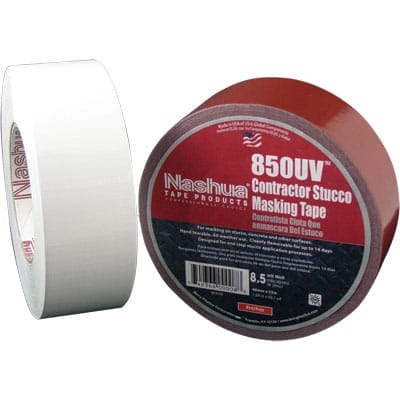
A stock image related to UV resistant masking tape.
Comprehensive Cost and Pricing Analysis for UV resistant masking tape Sourcing
UV resistant masking tape procurement requires strategic cost analysis beyond simple per-roll pricing. For industrial buyers operating across emerging markets like Brazil and Nigeria, understanding the complete cost architecture ensures competitive positioning while maintaining quality standards essential for automotive refinishing, construction, and marine applications.
What Factors Drive UV Resistant Masking Tape Pricing in Global Markets?
Material composition significantly influences baseline costs, with premium crepe paper backings and specialized UV-resistant synthetic rubber adhesives commanding higher prices than standard masking solutions. Performance specifications directly correlate with pricing tiers; tapes rated for 14-day outdoor exposure and high-temperature resistance up to 79°C typically cost 15-25% more than indoor-grade alternatives. Regional manufacturing capabilities also create price disparities—Asian manufacturing hubs often offer competitive base rates, while European-produced tapes carry premium positioning due to stringent environmental compliance costs and labor standards. Currency volatility between USD, EUR, and local currencies like the Brazilian Real or Nigerian Naira further impacts landed costs for importers, necessitating hedging strategies for large-volume contracts.
How Does Volume Purchasing Impact Unit Costs for International Buyers?
Procurement scale dramatically alters per-meter economics, with container-level purchases (20-foot or 40-foot equivalent units) typically reducing unit costs by 30-40% compared to pallet-level acquisitions. For markets like Nigeria and Brazil, where import logistics represent significant expense drivers, maximizing container utilization becomes critical—inefficient shipping configurations can inflate per-roll costs by $0.15-$0.25. Manufacturers and authorized distributors usually structure tiered pricing: pallet quantities (50-100 cartons), half-container loads, and full-container commitments. Long-term supply agreements (12-24 months) often secure preferential pricing against spot market fluctuations, though they require accurate demand forecasting to avoid inventory obsolescence risks in volatile construction sectors.
What Hidden Costs Should Buyers Consider Beyond the Unit Price?
Total Cost of Ownership (TCO) calculations must incorporate logistics complexity, including temperature-controlled shipping requirements for adhesive products in tropical climates, which can add 8-12% to freight costs. Import duties vary significantly by region—Brazil’s industrial tape tariffs and Nigeria’s customs processing fees can increase landed costs by 15-35% depending on HS code classifications. Storage conditions in humid climates may necessitate climate-controlled warehousing, adding carrying costs. Furthermore, quality failures generate substantial hidden expenses; inferior UV resistance causing adhesive residue or paint bleed requires labor-intensive rework, often exceeding the initial tape cost by factors of 10-20x in automotive refinishing applications.
How Can Buyers Optimize Procurement Costs Across Different Regions?
Strategic specification management offers immediate cost reduction opportunities—evaluating whether applications truly require 14-day UV resistance versus 7-day ratings can yield 10-15% savings for indoor-outdoor transitional projects. Regional sourcing partnerships mitigate currency and tariff exposure; establishing relationships with in-country converters or distributors eliminates international shipping variables and reduces lead times from 8-12 weeks to 2-3 weeks. Consolidating SKU diversity (standardizing on 24mm, 36mm, and 48mm widths rather than maintaining seven different sizes) increases volume leverage with suppliers while simplifying inventory management. For large-scale operations, negotiating blanket purchase orders with quarterly release schedules balances price advantages against working capital efficiency.
Alternatives Analysis: Comparing UV resistant masking tape With Other Solutions
When evaluating surface protection strategies for outdoor industrial painting, construction, or automotive refinishing, procurement teams must weigh immediate material costs against project duration, environmental exposure, and labor efficiency. While UV resistant masking tape offers a balanced solution for multi-day outdoor work, several alternatives present distinct value propositions depending on project scale, substrate complexity, and climatic conditions prevalent in regions like the Middle East, Africa, and South America.
Which Surface Protection Method Delivers Optimal ROI in High-UV Environments?
| Comparison Aspect | UV Resistant Masking Tape | Standard General-Purpose Masking Tape | Liquid Masking Compounds |
|---|---|---|---|
| UV Stability & Performance | 14 days clean removal; adhesive stable under intense sun exposure | 1-3 days maximum before adhesive degradation and residue hardening | Unlimited UV exposure; chemical cure creates permanent barrier until removal |
| Cost Efficiency | Moderate material cost; minimal labor for removal and zero rework | Low initial material cost; high risk of rework and solvent cleaning labor | Higher material cost; requires application equipment and skilled labor |
| Ease of Implementation | Hand-tearable; immediate adhesion; no curing or setup delays | Similar application speed; requires frequent replacement on outdoor sites | Requires spray/brush application; drying time (30-60 mins) extends project timeline |
| Temperature Resistance | Up to 175°F (79°C) for 30 minutes | Typically 150°F (65°C) or lower; adhesive softens in direct heat | Varies by formulation; generally higher heat tolerance once cured |
| Surface Compatibility | Cured paints, glass, metal, rubber; conforms to irregular edges | Similar surfaces; high residue risk on sensitive substrates or fresh paint | Complex geometries, porous surfaces excluded; ideal for large flat areas |
| Best Application | Multi-day outdoor construction, automotive refinishing, facade masking | Indoor facilities, same-day completion projects, temporary holding | Aerospace components, marine vessels, irregular architectural features |
How Does Standard General-Purpose Masking Tape Perform in Extended Outdoor Applications?
Standard crepe paper masking tape serves as the budget-conscious entry point for short-term projects, offering similar initial tack and conformability to UV-resistant variants. However, in high-sunlight environments common to African and Middle Eastern construction sites, the rubber-based adhesive oxidizes rapidly, often within 24 to 72 hours, creating hardened residue that requires solvent-based cleaners or razor scraping to remove. While the per-roll cost runs 30-40% lower than UV-stabilized options, the total cost of ownership escalates dramatically when accounting for labor hours spent on rework and surface remediation. This makes standard tape suitable only for indoor facilities management or projects guaranteed to complete within a single daylight period, particularly during intense Brazilian or Nigerian dry seasons where surface temperatures exceed safe adhesive thresholds.
When Should You Choose Liquid Masking Compounds Over Tape-Based Solutions?
These peelable coatings represent a liquid alternative that eliminates tape lines entirely, applied via spray equipment or brushes to create a temporary protective skin. Particularly effective for complex geometries in automotive manufacturing or irregular architectural features where tape cannot conform, liquid masking offers unlimited UV stability once cured and removes as a single sheet without edge residue. However, the approach requires significant upfront investment in application equipment and skilled labor, plus drying time that can extend project timelines by several hours. For B2B buyers in South American aerospace or European marine coating industries, liquid masking excels in specialized scenarios but lacks the operational flexibility and immediate repositionability that tape provides for iterative paint workflows or last-minute design adjustments on dynamic construction sites.
Essential Technical Properties and Trade Terminology for UV resistant masking tape
What Technical Specifications Define Industrial-Grade UV Masking Tape?
When sourcing UV resistant masking tape for demanding climates—such as the intense solar exposure found in Nigeria or the high humidity of Brazil’s coastal regions—procurement teams must evaluate six critical performance metrics beyond standard masking tape specifications.
UV Resistance Duration indicates the maximum outdoor exposure time before adhesive degradation occurs. Premium formulations maintain structural integrity for up to 14 days of direct sunlight, preventing the brittleness and residue issues common in standard tapes left exposed for extended periods.
Temperature Tolerance specifies the thermal threshold during curing processes. Industrial-grade tapes withstand intermittent temperatures up to 175°F (79°C) for 30 minutes, essential for automotive paint baking and industrial coating applications where heat curing is standard.
Multi-Substrate Adhesion Profile describes the tape’s compatibility with diverse surfaces including bare metal, powder-coated finishes, glass, and plastics. This versatility reduces SKU complexity for facilities managing mixed-material production lines.
Clean Removal Window defines the timeframe for residue-free removal, typically matching the UV resistance period at 14 days. This specification prevents costly surface cleaning and rework in construction and marine applications where tape remains applied through varying weather cycles.
Backing Elongation refers to the crepe paper construction’s ability to stretch 5–10% without tearing, enabling conformability to irregular surfaces and complex geometries without bridging or lifting.
Core Standardization ensures compatibility with existing dispensers; the 76.2mm (3-inch) core diameter remains the international standard for automated and manual application equipment across European and Middle Eastern manufacturing facilities.
What Specialized Terminology Should International Procurement Teams Master?
Understanding trade-specific jargon prevents miscommunication during technical specification and quality assurance processes.
Edge Bleed describes paint seepage beneath the tape boundary, typically caused by inadequate surface preparation or insufficient adhesion on porous substrates. This defect necessitates costly rework in precision coating operations.
Slivering refers to the fragmentation of tape edges during unwind, creating contamination risks in paint booths and cleanroom environments. Controlled unwind technology prevents this issue, reducing material waste.
Adhesion Build-Up denotes the progressive increase in bond strength over time. While beneficial for holding power, excessive build-up beyond the clean removal window can result in substrate damage or adhesive residue requiring solvent removal.
Conformability measures the tape’s ability to adhere to curved, irregular, or textured surfaces without tenting or bridging. High conformability ensures sharp paint lines on complex automotive body panels and architectural moldings.
Photodegradation identifies the chemical breakdown of polymers when exposed to UV radiation. UV-resistant masking tapes incorporate stabilizers that inhibit photodegradation, maintaining tensile strength and adhesion throughout the exposure period.
Service Temperature distinguishes between application temperature (the range for proper initial adhesion) and maximum exposure temperature during processes like baking. Confusing these parameters can result in tape failure during high-heat curing cycles.
Navigating Market Dynamics and Sourcing Trends in the UV resistant masking tape Sector
The industrial adhesive sector is experiencing significant transformation as B2B buyers across diverse geographies recalibrate procurement strategies to balance performance specifications with supply chain resilience. For UV resistant masking tape specifically, market dynamics are increasingly shaped by the intersection of climatic demands in emerging economies and evolving quality standards in industrial applications. Buyers operating in high-UV environments—from the intense solar exposure of Nigerian construction sites to Brazilian automotive refinishing facilities—require solutions that maintain structural integrity beyond standard masking tape limitations, driving demand for specialized formulations capable of withstanding 14 days of continuous outdoor exposure without adhesive transfer or backing degradation.
What Are the Current Growth Drivers in the Global UV Resistant Masking Tape Market?
The market is witnessing robust expansion fueled by infrastructure development and manufacturing growth across Africa, South America, and the Middle East. Automotive OEMs and tier suppliers represent a primary demand segment, requiring tapes that endure high-temperature paint cycles—up to 175°F (79°C)—while providing clean removal characteristics critical for just-in-time production workflows. Concurrently, the construction sector’s shift toward precision finishing in tropical climates has elevated UV resistance from a premium feature to a baseline procurement criterion. Supply chain volatility has further influenced purchasing behaviors, with procurement officers increasingly diversifying supplier portfolios to mitigate risks associated with single-source dependencies, particularly for specialized industrial-grade crepe paper tapes that must comply with stringent international adhesion standards.
How Is Regional Industrialization Impacting Sourcing Strategies Across Emerging Markets?
Procurement professionals in Brazil, Nigeria, and similar growth markets face unique logistical challenges when sourcing high-performance masking solutions. Import regulations, currency fluctuations, and port infrastructure limitations necessitate partnerships with suppliers offering robust regional distribution networks or localized warehousing capabilities. Furthermore, the prevalence of counterfeit industrial tapes in emerging markets demands rigorous vendor verification processes. B2B buyers must prioritize suppliers providing comprehensive technical documentation, batch traceability, and compliance certifications that align with both local industrial safety mandates and international quality benchmarks. The trend toward regional manufacturing hubs is gradually reshaping supply chains, offering opportunities for reduced lead times and customized width specifications—ranging from 12mm precision lines to 96mm surface protection rolls—tailored to regional application preferences.
Why Should B2B Buyers Prioritize Sustainable Adhesive Solutions in Their Supply Chain?
Sustainability has transitioned from corporate rhetoric to procurement mandate, particularly for European buyers and multinationals operating under ESG compliance frameworks. UV resistant masking tape manufacturing presents specific environmental considerations, from the sustainable sourcing of crepe paper backings to the formulation of UV-stable adhesives with reduced volatile organic compound (VOC) emissions. Forward-thinking procurement teams are evaluating suppliers based on forestry stewardship certifications (FSC or PEFC) for paper components and closed-loop manufacturing processes that minimize solvent usage. Additionally, the 14-day clean removal capability reduces material waste through elimination of surface damage and rework, contributing to circular economy objectives while lowering total project costs.
What Ethical Sourcing Criteria Matter Most for Industrial Tape Procurement?
Beyond environmental metrics, ethical sourcing encompasses labor practices and supply chain transparency that mitigate reputational risks for international buyers. Industrial buyers should scrutinize manufacturers’ adherence to SA8000 or equivalent labor standards, particularly when sourcing from regions with variable regulatory enforcement. Due diligence processes must include factory audit capabilities, conflict mineral reporting, and verification that products designated for industrial use—distinct from consumer-grade alternatives—meet occupational safety labeling requirements. For markets like Nigeria and Brazil, where rapid industrialization coincides with increasing regulatory scrutiny, partnering with suppliers demonstrating ISO 9001 quality management and ISO 14001 environmental management certifications provides essential risk mitigation while ensuring consistent tape performance across extreme temperature and humidity variations.
Frequently Asked Questions (FAQs) for B2B Buyers of UV resistant masking tape
1. How do I distinguish between UV resistant masking tape and standard masking tape for industrial outdoor applications?
Standard masking tape utilizes natural rubber adhesives and untreated paper backings that oxidize rapidly under ultraviolet exposure, typically degrading within 24 to 72 hours of direct sunlight. UV resistant variants incorporate synthetic acrylic or specialized rubber formulations with UV inhibitors, paired with stabilized crepe paper backings that maintain structural integrity for up to 14 days outdoors. While standard tape becomes brittle, discolored, and leaves adhesive residue requiring solvent removal, UV resistant grades remove cleanly without edge bleed or surface staining. For B2B procurement in high-UV regions like Brazil or Nigeria, the 20-30% higher material cost is offset by eliminating labor-intensive cleanup and rework expenses.
2. How do I determine the maximum safe exposure duration for UV resistant masking tape on outdoor construction surfaces?
Premium UV resistant masking tapes maintain clean removal properties for up to 14 days on most substrates, even after continuous outdoor exposure to direct sunlight. However, in equatorial regions with intense UV indexes exceeding 10+, such as parts of Africa or the Middle East, practical safe exposure limits reduce to 10 days to prevent adhesive transfer. Surface temperature significantly impacts performance; dark metal or concrete substrates exceeding 100°F (38°C) accelerate adhesive curing, necessitating earlier removal. Implement a inspection protocol at day 7 for multi-week projects, testing tape lift at edges to verify clean removal capability before full adhesion sets.
3. What temperature ratings must UV resistant masking tape withstand for automotive painting and powder coating operations?
Industrial UV resistant crepe paper tapes typically withstand temperatures up to 175°F (79°C) for 30 minutes, suitable for standard automotive paint booth bake cycles ranging from 140°F to 160°F. For powder coating applications requiring 350-400°F (177-204°C) curing temperatures, these tapes function solely as pre-coating masking and must be removed before the high-heat curing phase. The 30-minute heat resistance window accommodates flash-off periods and low-temperature bakes, but continuous high-heat applications require upgrading to polyimide or polyester film tapes. Always verify your specific paint system’s thermal profile against the tape’s temperature ceiling to prevent adhesive baking onto substrates.
4. Which surface types are compatible with high-tack UV resistant masking tape for construction and marine projects?
High-tack UV resistant formulations adhere reliably to rough concrete, stucco, weathered wood, painted metal, aluminum, and fiberglass gel coats common in marine and heavy construction environments. These tapes conform to irregular surfaces and textured substrates where standard masking tapes fail to establish proper bond lines. For marine applications, ensure compatibility with gel coat and anti-fouling paints, verifying resistance to salt spray corrosion in coastal environments like Lagos or Rio de Janeiro. Avoid application over silicone-treated surfaces, Teflon-coated materials, or plastics containing high plasticizer content, as these create adhesion barriers and potential tape failure.
5. How do I calculate the return on investment when procuring UV resistant versus standard masking tape for large-scale industrial projects?
Calculate total applied cost by factoring labor rates for application, removal, and potential rework rather than material price alone. UV resistant tape typically reduces removal labor by 30-50% compared to degraded standard tape requiring scraping and solvent cleaning, justifying the higher unit cost for any outdoor project exceeding three days. In tropical climates where standard tape fails within 48 hours, the elimination of adhesive residue removal—often requiring 15-20 minutes per linear meter—delivers immediate labor savings. For procurement teams managing infrastructure projects across multiple sites, the risk mitigation against project delays and surface damage claims provides additional financial protection beyond direct labor savings.
6. How do I store UV resistant masking tape effectively in high-humidity tropical climates prevalent in target markets?
Store inventory in climate-controlled environments maintaining 60-80°F (15-27°C) with 40-60% relative humidity to prevent edge lifting and adhesive bleed common in tropical warehouse conditions. In regions like West Africa or Southeast Brazil lacking full climate control, utilize moisture-barrier packaging and elevated pallet storage to protect against ground humidity and condensation cycles. Rotate inventory using strict FIFO (First In, First Out) protocols, as uncontrolled tropical storage reduces shelf life from 12 months to approximately 6 months. Inspect rolls upon receipt for edge sealing integrity, as high humidity during container shipping can compromise adhesive performance before the tape reaches your facility.
7. How do I ensure clean removal of UV resistant masking tape after extended exposure to harsh outdoor conditions?
Remove tape at a 45-degree angle using slow, steady pressure rather than rapid pulling, which minimizes residue transfer and backing fragmentation. Perform removal when surface temperatures range between 60-100°F (15-38°C); avoid removal during peak heat when surfaces exceed 100°F, as softened adhesive increases transfer risk. If tape has been exposed to rain or high humidity, allow surfaces to dry completely before removal to prevent water wicking under the adhesive layer. For any residual adhesive, use citrus-based or petroleum-based removers compatible with your substrate, testing first on inconspicuous areas to ensure no surface damage to automotive clear coats or marine gel coats.
8. How do I specify the correct dimensions and core specifications for automated dispensing systems in high-volume manufacturing?
Specify widths based on application type: 12mm to 18mm for precision edge masking, 24mm to 36mm for general purpose coverage, and 48mm to 96mm for large surface protection and bundling applications. Ensure compatibility with 76.2mm (3-inch) diameter cores, the industrial standard fitting most handheld dispensers and automated taping machinery used in automotive assembly plants. For high-speed production lines, request rolls with controlled unwind characteristics to prevent slivering and tearing during rapid dispensing. When sourcing for facilities in Brazil, Nigeria, or the Middle East, verify that supplier certifications meet local industrial standards while maintaining the 55-meter length standard for consistent production line changeover intervals.
Important Disclaimer & Terms of Use
⚠️ Important Disclaimer
The information provided in this guide, including content regarding manufacturers, technical specifications, and market analysis, is for informational and educational purposes only. It does not constitute professional procurement advice, financial advice, or legal advice.
B2B buyers must conduct their own independent and thorough due diligence before making any purchasing decisions. The risk of relying on any information in this guide is borne solely by the reader.
Top 2 Uv Resistant Masking Tape Manufacturers & Suppliers List
1. iTape – UV Masking Tape
Domain: itape.com
Registered: 1998 (28 years)
Introduction: IPG UV masking product line includes: PT14 (14-Day UV-Resistant Specialty Paper Masking Tape) – blue fine crepe paper with synthetic rubber adhesive, designed for 14 days sun exposure with easy clean removal, excellent conformability and smooth backing for superior paint lines; PT8 (8-Day UV-Resistant Specialty Paper Masking Tape) – light green crepe paper with synthetic rubber adhesive, 8-day UV …
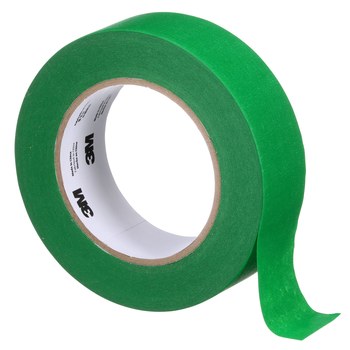
2. JAM Industrial Supply – 3M UV Resistant Green Masking Tape
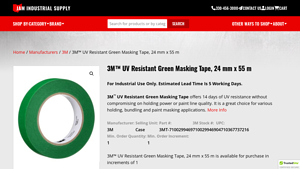
Domain: jamindustrialsupply.com
Registered: 2014 (12 years)
Introduction: This company, JAM Industrial Supply – 3M UV Resistant Green Masking Tape, is a notable entity in the market.
Strategic Sourcing Conclusion and Outlook for UV resistant masking tape
How Can Buyers Ensure Supply Chain Resilience When Sourcing UV-Resistant Masking Tape?
Procurement teams across Africa, South America, and the Middle East must prioritize suppliers offering consistent product availability alongside verified performance specifications. When evaluating UV-resistant masking tape, confirm that solutions deliver genuine 14-day outdoor durability and clean removal capabilities to eliminate costly rework and surface damage. Given the temperature extremes in regions like Nigeria and Brazil, selecting tapes that withstand up to 175°F (79°C) ensures reliability during high-heat industrial applications.
What Strategic Advantages Define the Next Generation of Industrial Masking Solutions?
The evolving industrial landscape demands cost-effective masking solutions that do not compromise on versatility. Modern procurement strategies should favor tapes available in diverse widths (12mm–96mm) to accommodate everything from precision automotive masking to heavy-duty bundling. Products offering controlled unwind and hand-tearability reduce application time while maintaining professional-grade adhesion across multiple substrates.
Final Recommendations for Long-Term Procurement Success
For B2B buyers navigating emerging markets, investing in certified UV-resistant masking tape represents a strategic hedge against project delays and material waste. Prioritize partnerships with manufacturers providing comprehensive technical documentation and regional distribution support. By standardizing on high-performance green masking tapes that balance 14-day UV stability with clean removal, procurement teams secure operational continuity while optimizing total cost of ownership across diverse climatic conditions.