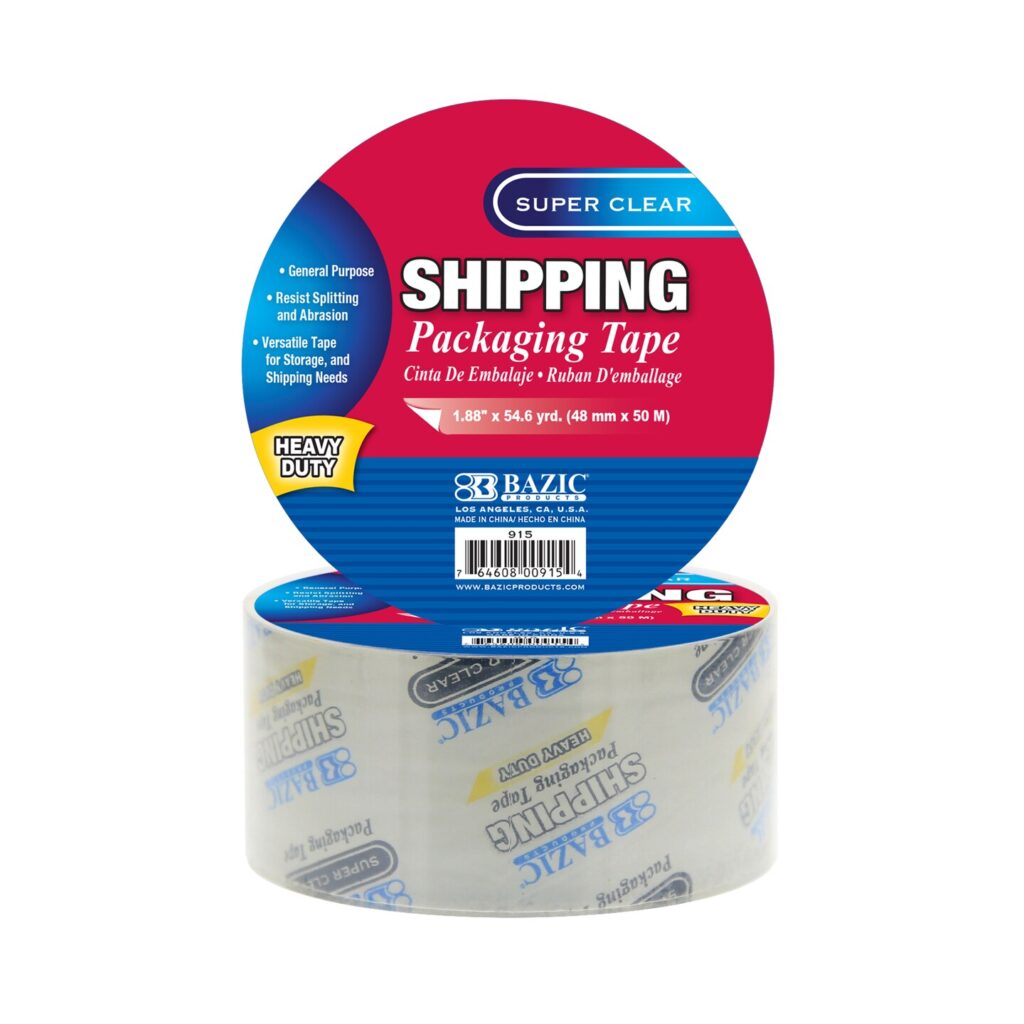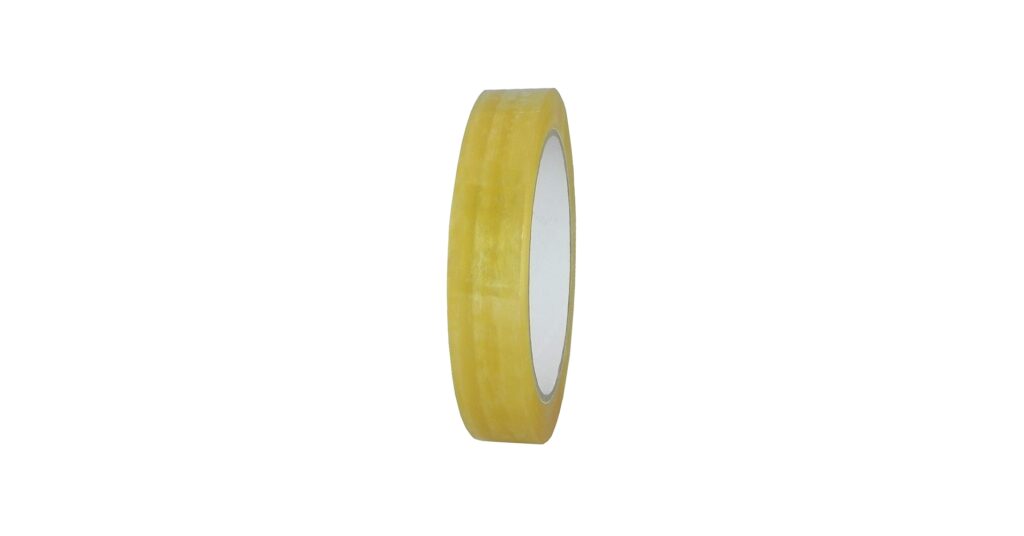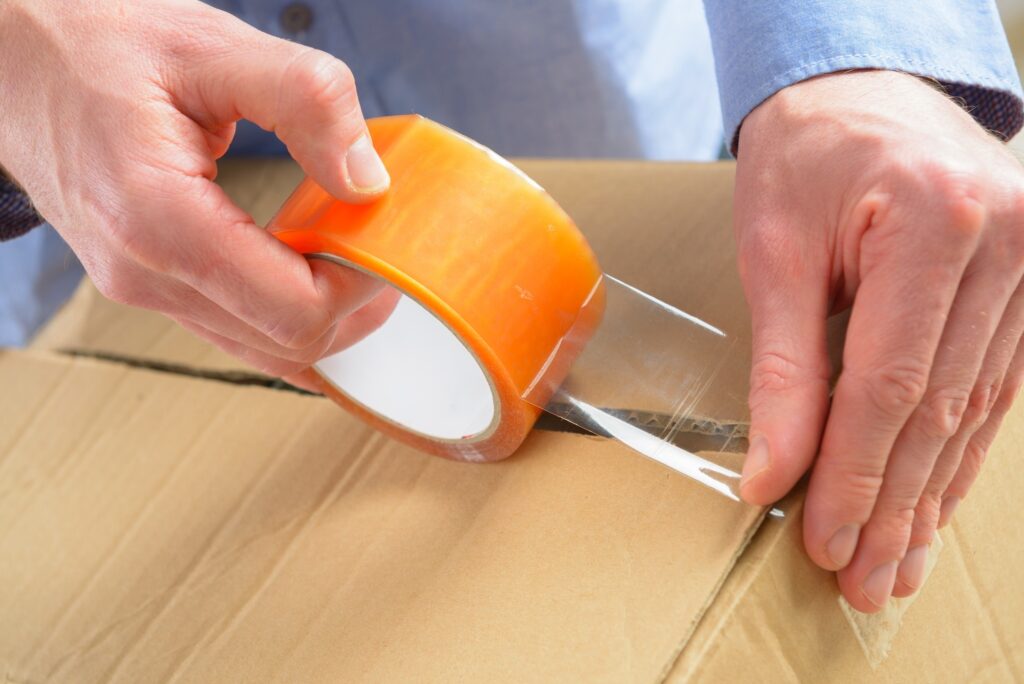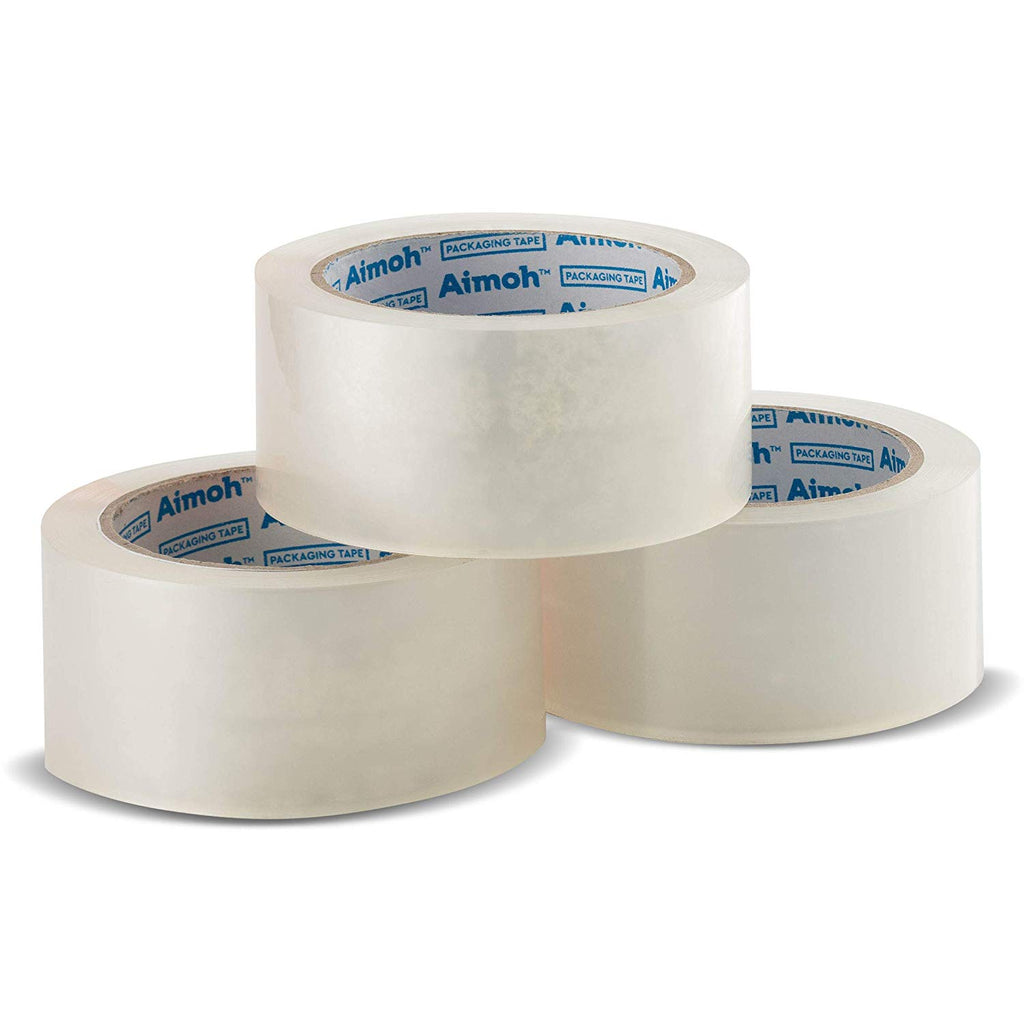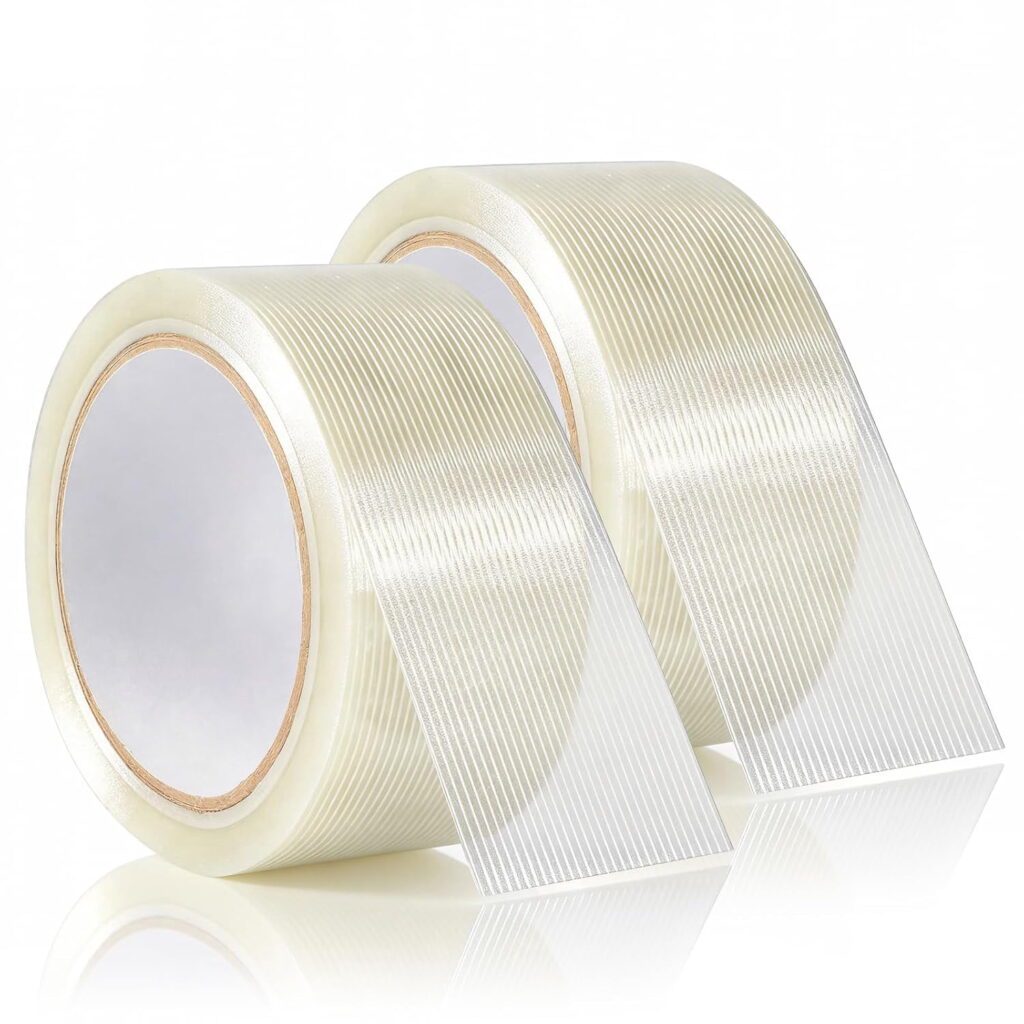
Introduction: Navigating the Global Market for Fabric tape
Sourcing high-performance fabric tape for industrial textile applications presents unique challenges for procurement teams navigating complex global supply chains. Whether you’re securing upholstery for hospitality projects in Nigeria, reinforcing automotive textiles in Brazil, or sourcing heat-resistant bonding solutions for Middle Eastern manufacturing facilities, the difference between project success and costly delays often hinges on adhesive reliability and supplier consistency.
What Makes Fabric Tape Essential for Modern Manufacturing?
This guide examines the complete spectrum of fabric tape solutions—from double-sided bonding tapes and fusible hem tapes to heavy-duty industrial webbing adhesives—analyzing their specific applications across apparel production, interior design, and technical textiles. We dissect critical performance metrics including tensile strength, temperature resistance, and wash durability to help you match specifications with operational requirements.
How Can International Buyers Navigate Supplier Selection and Cost Optimization?
For procurement professionals in emerging markets across Africa, South America, the Middle East, and Europe, we provide actionable frameworks for vetting manufacturers, understanding regional compliance standards, and optimizing shipping logistics. By addressing currency fluctuations, minimum order quantities, and quality certification requirements specific to cross-border trade, this resource equips you with the strategic insights necessary to secure competitive pricing without compromising material integrity.
Understanding Fabric tape Types and Variations
| Type Name | Key Distinguishing Features | Primary B2B Applications | Brief Pros & Cons for Buyers |
|---|---|---|---|
| Double-Sided Permanent Fabric Tape | Woven cotton/polyester carrier with aggressive acrylic adhesive; immediate tack; invisible profile; available in permanent and removable grades | High-volume apparel manufacturing, upholstery attachment, costume design, textile lamination, temporary pattern positioning | Pros: Instant bond speeds production, compatible with automated dispensers, clean aesthetic finish. Cons: Limited repositionability with permanent grades, heat sensitivity in some formulations, higher cost than glue sticks |
| Fusible Bonding Web/Heat-Activated Tape | Thermoplastic adhesive web or film requiring heat/pressure (120°C–150°C) activation; creates molecular bond with fibers; sew-free finish | Curtain and drapery manufacturing, bulk garment hemming, craft kit assembly, textile appliqué, automotive interior trim | Pros: Eliminates needle penetration, washable/dry-cleanable bonds, integrates with heat-press automation. Cons: Requires precise temperature control, incompatible with heat-sensitive synthetics, needs silicone release paper for handling |
| Heavy-Duty Cloth/Gaffer Tape | Woven scrim backing with high-tack rubber/synthetic adhesive; hand-tearable; high tensile strength; moisture and UV resistant | Industrial textile repair, stage/event production, carpet installation, heavy-duty packaging, construction site applications | Pros: Conforms to irregular surfaces, removes cleanly from most substrates, superior durability vs. vinyl tapes. Cons: Bulkier appearance than film tapes, premium pricing, potential residue on delicate fabrics if left long-term |
| Reinforcement & Seam Sealing Tape | Specialized for joining batting layers or sealing seams; often fusible or pressure-sensitive; prevents fraying and slippage | Mattress and bedding manufacturing, quilt production, upholstery batting assembly, automotive seating, industrial filter textiles | Pros: Extends product lifespan, reduces seam bulk, compatible with high-speed sewing lines, meets flame-retardant standards. Cons: Application-specific inventory needs, varying compatibility with synthetic vs. natural fibers, requires calibration for automated application |
What are the best permanent bonding solutions for high-volume textile manufacturing?
Double-sided permanent fabric tape features a woven cotton or polyester carrier impregnated with aggressive acrylic or rubber-based adhesives, delivering immediate tack without sewing delays. For B2B buyers in fast-fashion and upholstery sectors across Nigeria and Brazil, prioritize humidity-resistant formulations that maintain adhesion in tropical climates. When sourcing, verify compatibility with automated dispensing systems and assess whether the tape provides clean, residue-free removal for temporary positioning or permanent structural bonds. Critical procurement criteria include temperature resistance for industrial laundering and the ability to bond diverse substrates—from lightweight silks to heavy canvas—without adhesive bleed-through.
How does heat-activated fusible tape streamline bulk garment production workflows?
Fusible bonding web utilizes thermoplastic adhesives that activate under controlled heat and pressure, creating molecular bonds with fabric fibers without needle penetration. This variation eliminates stitching time for hemming and appliqué work, reducing production cycles by up to 40% in curtain and garment manufacturing. Procurement teams should specify activation temperatures (typically 120°C–150°C) and verify compatibility with synthetic blends common in African and South American markets. Look for products featuring silicone-coated release papers to prevent sticking during high-speed roll feeding, and confirm washability ratings to ensure bonds withstand repeated industrial cleaning cycles.
Which heavy-duty cloth tape specifications ensure reliability in industrial and event applications?
Heavy-duty cloth tape—distinct from vinyl duct tape—features a woven scrim backing that provides exceptional tensile strength while maintaining hand-tearability and conformability to irregular surfaces. For construction, logistics, and event management sectors in the Middle East and Europe, prioritize UV-stable adhesives and moisture-resistant coatings that withstand outdoor exposure. Buyers should request tensile strength ratings (measured in N/cm) and verify clean-removal properties to protect expensive staging equipment and architectural fabrics. Consider matte-finish options that reduce light reflection for entertainment industry applications, and assess whether colored variants align with corporate branding requirements for temporary installations.
Why should upholstery and bedding manufacturers invest in specialized reinforcement seam tape?
Reinforcement tapes address structural integrity in high-stress applications such as mattress manufacturing, quilt production, and automotive upholstery. These specialized products often combine fusible properties with structural mesh to prevent batting shift and seam slippage while reducing bulk at joining points. When evaluating suppliers for European and Middle Eastern markets, prioritize tapes meeting flame-retardant safety standards and width consistency for automated sewing line integration. The right specification minimizes material waste by eliminating traditional seam allowances, extends end-product lifespan, and supports high-speed manufacturing environments where needle breakage and thread changes create bottlenecks.
Key Industrial Applications of Fabric tape
| Industry/Sector | Specific Application of Fabric tape | Value/Benefit for the Business | Key Sourcing Considerations for this Application |
|---|---|---|---|
| Automotive Manufacturing & Upholstery | Interior fabric bonding for headliners, seat covers, and carpet installation; temporary holding of textiles before permanent stitching | Eliminates needle damage to sensitive materials; accelerates assembly line speed; provides immediate bond strength for just-in-time manufacturing | Heat resistance up to 80-100°C; compatibility with synthetic automotive fabrics; UV stability for dashboard applications; bulk roll availability for high-volume procurement |
| Construction & HVAC Systems | Sealing fabric insulation wraps (duct liners); temporary fixation of vapor barriers; carpet and flooring installation in commercial buildings | Creates airtight seals improving energy efficiency; reduces installation labor time by 40% compared to mechanical fasteners; works on irregular surfaces common in retrofit projects | High tack adhesive for dusty/concrete surfaces; moisture resistance for humid climates (Nigeria/Brazil); compliance with local fire safety standards; temperature range suitability for Middle Eastern heat |
| Commercial Textile & Apparel Production | Temporary basting of garment pieces before sewing; hem sealing in fast fashion; bonding of elastic bands in lingerie/activewear | Reduces pin usage preventing fabric distortion; enables rapid prototyping for export markets; clean removal without residue preserves fabric quality for high-value garments | Low-residue adhesive formulation; compatibility with cotton/polyester blends common in African/South American textiles; skin-safe certifications for undergarment use; narrow width precision (5-10mm) for detailed work |
| Agriculture & Agro-Processing | Repair of shade nets and greenhouse films; bundling of agricultural textiles (fleece, crop covers); temporary sealing of grain storage bags | Extends lifespan of expensive agro-textiles by 2-3 seasons; provides weatherproof seals against monsoon humidity; eliminates downtime during critical planting/harvest windows | UV resistance for tropical sun exposure; waterproof backing for irrigation areas; high tensile strength for load-bearing applications; cost-effectiveness for smallholder cooperative budgets |
| Packaging & Logistics | Reinforced carton sealing for heavy textile exports; pallet stabilization of fabric rolls; tamper-evident sealing of jute/hessian bags | Prevents shifting of cylindrical fabric rolls during ocean freight; eliminates strapping damage to delicate textiles; provides weatherproof sealing for port-to-port humidity exposure | High shear strength for 30+ day adhesion; compatibility with recycled cardboard; resistance to salt air corrosion for maritime shipping; custom printing capabilities for branding |
How is fabric tape transforming automotive upholstery manufacturing in emerging markets?
In automotive hubs like São Paulo and Lagos, fabric tape serves as a critical bonding agent for interior components where traditional sewing creates weak points or aesthetic issues. Manufacturers apply double-sided fabric tape to laminate foam backing onto headliner textiles and secure carpet edges before final molding. This solves the problem of needle perforation weakening synthetic materials while meeting the high-temperature demands of vehicle interiors in hot climates. Buyers should prioritize acrylic adhesive systems rated for 90°C+ continuous exposure and verify compatibility with polypropylene substrates common in budget vehicle segments.
What are the most effective fabric tape applications for HVAC insulation in hot climate construction?
Across the Middle East and tropical regions of Nigeria and Brazil, fabric tape provides essential sealing for fiberglass duct insulation and flexible air distribution systems. Unlike foil tapes that crack during thermal expansion, reinforced fabric tapes accommodate the daily expansion cycles of metal ductwork in extreme heat. Contractors use these tapes to create vapor seals on chilled water pipe insulation, preventing condensation damage in high-humidity environments. Procurement teams must specify tapes with butyl rubber adhesives for superior moisture barriers and ensure products meet local fire retardancy classifications such as EN 13501-1 or equivalent regional standards.
Why are textile manufacturers in Africa and South America adopting fabric tape for apparel production?
Export-oriented garment factories from Casablanca to São Paulo utilize washable fabric tape as a temporary basting alternative to pins, preventing snags in delicate fabrics destined for European markets. The tape allows workers to position complex pattern pieces accurately before permanent stitching, crucial when working with wax-print cottons and lightweight polyesters prevalent in regional textile trades. This application solves production bottlenecks by enabling continuous feeding through automated cutting tables without metal detection interruptions. Buyers require medical-grade hypoallergenic adhesives for skin-contact garments and residue-free removal to prevent staining during final washing processes.
How does heavy-duty fabric tape address agriculture infrastructure challenges in tropical regions?
Agricultural operations across Brazil’s soybean belt and Nigeria’s cocoa regions rely on UV-stabilized fabric tape to maintain shade houses and repair hail-damaged netting without replacing entire systems. The tape creates waterproof seals in greenhouse polyethylene films and bundles shade cloth to structural cables, withstanding monsoon conditions and intense equatorial sun. This solves the critical pain point of harvest delays caused by infrastructure failures during weather events. Sourcing considerations include tensile strength ratings above 50N/cm for wind load resistance, compatibility with polyethylene and polypropylene agro-textiles, and pricing structures suitable for cooperative purchasing models common in these agricultural sectors.
What role does reinforced fabric tape play in securing textile exports for international shipping?
Export logistics operators handling Nigerian cotton and Brazilian denim shipments utilize filament-reinforced fabric tape to stabilize palletized fabric rolls and seal bulk textile containers against moisture ingress during maritime transport. Unlike standard polypropylene strapping that crushes fabric edges, reinforced tape distributes load evenly while allowing ventilation to prevent mold in tropical humidity. This solves the costly problem of moisture damage claims upon arrival at European ports. Procurement managers should specify tapes with synthetic rubber adhesives for cold-chain compatibility, tensile strength exceeding 150 lbs/inch, and neutral pH adhesives that won’t yellow delicate white fabrics during 30+ day voyages.
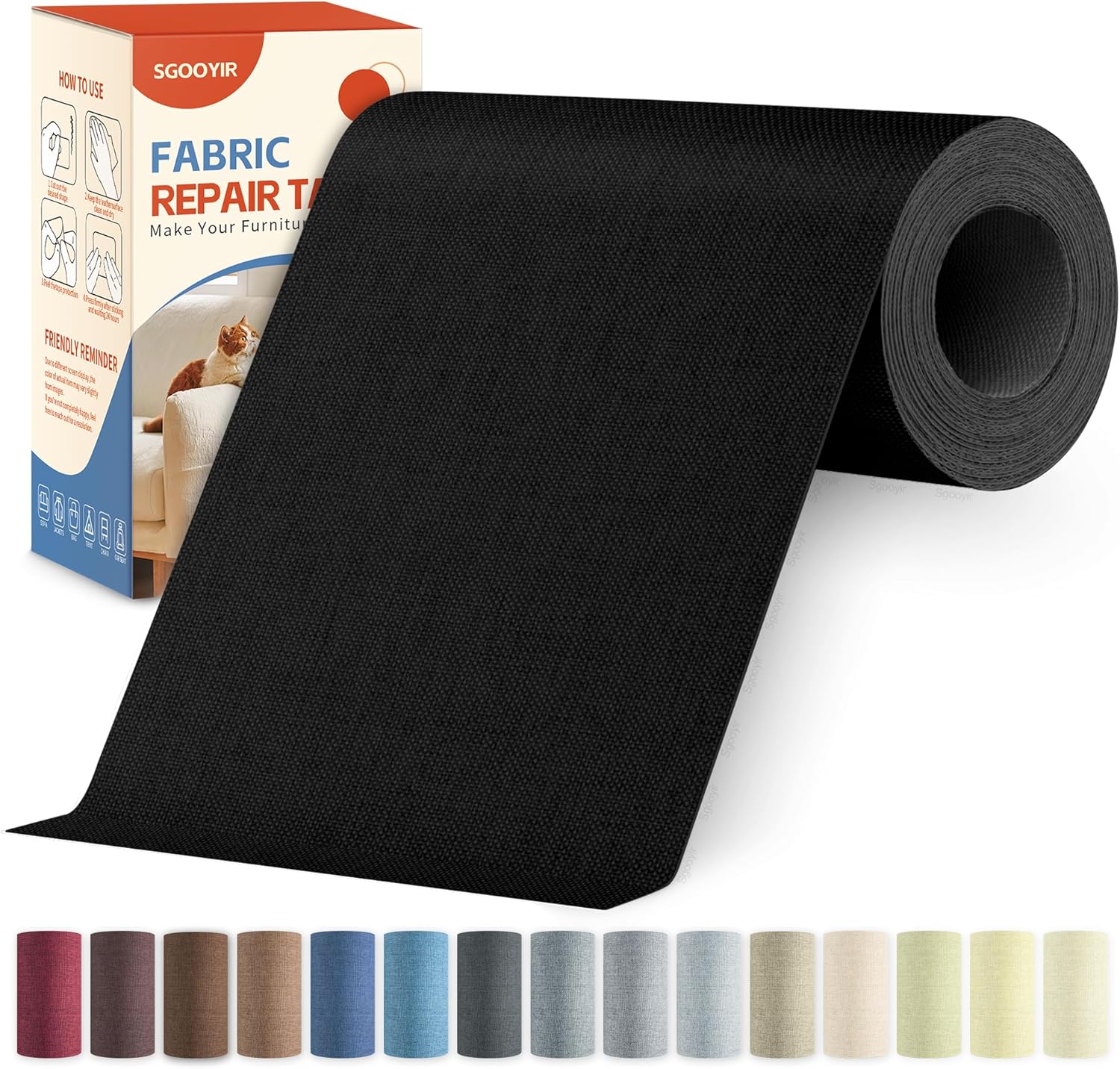
A stock image related to Fabric tape.
3 Common User Pain Points for ‘Fabric tape’ & Their Solutions
Scenario 1: How to Prevent Adhesive Failure in High-Humidity Production Facilities?
The Problem: Manufacturing facilities in tropical regions like Nigeria or Brazil frequently encounter fabric tape adhesion failures due to extreme humidity and temperature fluctuations. When securing textiles during cutting, bundling, or temporary assembly, standard tapes peel prematurely as moisture compromises the adhesive bond. This creates costly production delays, material waste, and quality inconsistencies, particularly in garment manufacturing where temporary holds must survive multiple handling stages before permanent stitching.
The Solution: Specify acrylic-based adhesive systems with high initial tack and moisture resistance rather than rubber-based alternatives prone to degradation. Source double-sided reinforced cloth tapes specifically rated for tropical climates with humidity resistance above 85% RH. Request technical data sheets demonstrating shear strength retention at elevated temperatures (40°C+) and cyclic humidity testing. For critical applications, implement heat-activated fusible tapes that create molecular bonds unaffected by ambient moisture, ensuring secure holds from cutting floor to final assembly regardless of environmental conditions.
Scenario 2: What Solutions Eliminate Residue Contamination in Premium Textile Processing?
The Problem: When utilizing fabric tape for temporary pattern placement, hemming assistance, or quick repairs in high-value textile production, adhesive residue transfer can ruin expensive materials. This generates costly rejects, especially in upholstery, curtain manufacturing, or luxury apparel where fabric integrity is paramount. Standard duct tapes or low-grade cloth tapes often leave sticky remnants that require harsh solvents to remove, damaging delicate fibers and creating additional processing steps that slow production.
The Solution: Transition to clean-removal double-sided fabric tapes engineered specifically for temporary textile bonding. Select products featuring “low-tack to high-tack” adhesive progression that maintain firm holds during sewing or assembly yet release completely within 24-48 hours without surface staining. For permanent applications, specify fusible web tapes that bond at the fiber level rather than mechanically adhering, eliminating residue risks entirely. Implement strict inventory segregation between temporary and permanent bonding solutions on production floors, and conduct adhesion tests on your specific fabric blends before bulk procurement to verify compatibility with sensitive textiles.
Scenario 3: How Can B2B Buyers Overcome Customization and Supply Consistency Challenges?
The Problem: Buyers managing large-scale operations across multiple countries face significant hurdles sourcing fabric tape with consistent quality specifications and custom branding requirements. Off-the-shelf products often lack specific widths, tensile strength ratings, or printed logos necessary for professional manufacturing or resale distribution. Additionally, navigating minimum order quantities (MOQs) for customized reinforced fabric tape while maintaining cost efficiency creates procurement bottlenecks, particularly for growing businesses in emerging markets requiring compliance with varying regional standards.
The Solution: Partner with manufacturers offering OEM/ODM services featuring flexible MOQs tailored to mid-sized B2B operations rather than exclusively mass-market volumes. Specify exact requirements including precise dimensions (25mm vs. 50mm widths), tensile strength ratings (measured in N/cm), and custom printing capabilities for brand identification or usage instructions. Establish quality control protocols including batch testing for adhesive consistency and fabric weave density. Verify suppliers provide comprehensive technical documentation and compliance certifications—such as REACH for European markets, INMETRO for Brazil, or SONCAP for Nigeria—to ensure seamless customs clearance and regulatory adherence across your distribution network.
Strategic Material Selection Guide for Fabric tape
When sourcing fabric tape for industrial or commercial applications, the substrate material fundamentally determines performance characteristics, durability, and application suitability. B2B buyers operating in diverse climates—from Nigeria’s humid regions to Brazil’s variable weather patterns—must evaluate not just adhesive properties, but how the backing material interacts with environmental conditions, substrate compatibility, and production workflows. Understanding these material distinctions ensures procurement decisions align with end-use requirements while optimizing inventory costs across international supply chains.
Which Fabric Backing Material Offers the Best Breathability for Medical Applications?
Cotton woven backing remains the preferred choice for medical textiles, garment manufacturing, and archival bookbinding across emerging markets. This natural fiber substrate provides exceptional breathability and conforms easily to curved surfaces without edge lift, critical for patient comfort in wound care applications. Cotton-backed tapes accept acrylic adhesives well, creating repositionable bonds ideal for temporary basting in quilting operations or securing dressings that require frequent changing. However, cotton’s hygroscopic nature limits its effectiveness in high-humidity environments common in tropical African and South American climates, as moisture absorption can compromise adhesive integrity and promote mold growth during extended storage periods.
How Does Polyester Fabric Tape Perform in High-Humidity Environments?
Polyester woven fabric delivers superior dimensional stability and moisture resistance compared to natural alternatives, addressing the limitations found in cotton variants. This synthetic backing resists stretching and shrinkage during temperature fluctuations, making it ideal for outdoor signage, marine upholstery, and automotive interior applications prevalent in Middle Eastern and European manufacturing sectors. Polyester’s inherent chemical resistance to oils and solvents extends tape longevity in industrial maintenance settings. The trade-off involves reduced breathability and higher rigidity, which can create visible seam lines in delicate apparel applications and may require heat-activation for optimal bonding on textured surfaces, potentially complicating rapid deployment scenarios.
What Are the Cost Benefits of Non-Woven Fusible Webs for Apparel Manufacturing?
Non-woven fusible web materials, typically composed of synthetic fibers bonded through heat and pressure rather than traditional weaving, offer the most economical solution for high-volume apparel production facilities. These materials function as both substrate and adhesive when thermally activated, eliminating sewing operations in hemming and appliqué work. For Brazilian textile exporters and Nigerian garment workshops, non-woven options reduce labor costs significantly while providing uniform thickness that prevents bulk at seam junctions, improving garment drape and comfort. The limitation lies in structural weakness; these materials lack the tensile strength for load-bearing applications and typically require heat-pressing equipment, adding capital expenditure that may challenge smaller operations with limited infrastructure.
When Is Scrim-Reinforced Fabric Tape Essential for Heavy-Duty Industrial Use?
Scrim-reinforced fabric tape incorporates an open-mesh fiberglass or polyester grid laminated between fabric layers, creating bidirectional strength ideal for construction, carpet installation, and heavy upholstery applications. This hybrid material distributes mechanical stress across the tape width, preventing the tearing common in standard woven tapes when subjected to shear forces during installation. European construction firms and Middle Eastern contractors favor scrim-reinforced options for HVAC duct sealing and temporary flooring protection where failure is not an option. The primary disadvantage involves handling difficulty; the rigid structure resists conformability on compound curves and irregular surfaces, while the specialized manufacturing process positions this material at the premium end of the cost spectrum, impacting bulk procurement budgets.
| Material | Typical Use Case for Fabric tape | Key Advantage | Key Disadvantage/Limitation | Relative Cost |
|---|---|---|---|---|
| Cotton Woven | Medical dressings, quilting basting, archival binding | Superior breathability and conformability | Moisture absorption limits tropical storage | Medium |
| Polyester Woven | Marine upholstery, outdoor signage, automotive interiors | Excellent dimensional stability and chemical resistance | Reduced breathability; visible seam lines | Medium-High |
| Non-Woven Fusible Web | Apparel hemming, appliqué, craft manufacturing | Lowest material cost; eliminates sewing operations | Requires heat-activation equipment; low structural strength | Low |
| Scrim-Reinforced | Carpet installation, construction sealing, heavy upholstery | Bidirectional tensile strength; tear resistance | Poor conformability on curves; premium pricing | High |
A stock image related to Fabric tape.
In-depth Look: Manufacturing Processes and Quality Assurance for Fabric tape
Fabric tape production integrates precision textile weaving with advanced adhesive coating technologies to create products ranging from temporary basting solutions to permanent industrial bonding systems. For procurement teams operating across diverse regulatory environments—from Nigeria’s growing garment sector to Brazil’s furniture manufacturing hubs, and from Dubai’s upholstery workshops to European technical textile converters—understanding the technical workflow and quality verification protocols ensures supply chain reliability and product performance consistency. The manufacturing process encompasses substrate preparation, adhesive compounding, precision coating, and conversion slitting, with each stage presenting distinct quality control checkpoints that determine suitability for specific industrial applications.
How Does Backing Material Selection Impact Fabric Tape Durability?
The foundation of high-performance fabric tape lies in substrate engineering that balances tensile strength with conformability. Manufacturers typically utilize woven cotton, polyester, or cotton-polyester blends, with yarn density ranging from 40 to 80 threads per square centimeter depending on load-bearing requirements. Premium grades employ shuttle-less loom weaving to eliminate selvedge inconsistencies that could compromise adhesive application, while warp and weft thread counts are optimized to prevent distortion during high-speed unwinding in automated cutting rooms. For B2B buyers sourcing for tropical climates common in African and South American markets, moisture-wicking synthetic blends (70% polyester/30% cotton) offer superior dimensional stability compared to 100% cotton backings, which may expand in high-humidity storage conditions. Raw material traceability systems should track fiber origin and dye batch numbers to ensure color consistency across large production runs, particularly when matching corporate branding or uniform specifications.
What Adhesive Coating Technologies Ensure Industrial-Grade Performance?
The coating stage determines the tape’s ultimate bonding capability and temperature resistance profile. Hot-melt adhesive systems, applied at 150-180°C through heated reservoirs, provide immediate tack and cost-efficiency suitable for high-volume garment assembly where rapid bond formation is prioritized. Solvent-based acrylic coatings, cured through 30-meter drying tunnels with precise airflow control, offer superior heat resistance (up to 120°C) required for automotive upholstery applications prevalent in Middle Eastern markets. Double-sided fabric tape production requires sequential coating: first applying the permanent adhesive to the fabric backing, laminating a silicone-treated release liner, then coating the exposed liner side with a repositionable or permanent adhesive layer. Coating weight consistency—measured in grams per square meter (GSM)—must maintain ±5% tolerance to prevent adhesive bleed-through or insufficient tack. Advanced manufacturers employ gravure roll coating or slot-die coating methods to achieve uniform thickness across master rolls up to 1.5 meters wide, with online viscosity monitoring ensuring adhesive flow rates remain constant despite ambient temperature fluctuations.
How Do Manufacturers Ensure Precision During Slitting and Conversion?
Post-coating conversion transforms master rolls into finished B2B formats through precision slitting operations that demand strict dimensional control. Rotary slitting machines equipped with razor or shear-cut blades process jumbo rolls into specified widths, typically ranging from 6mm to 50mm for garment applications, or up to 100mm for industrial upholstery use. Critical quality checkpoints include edge straightness verification (deviation <0.5mm per 10m length) and tension control during rewinding to prevent telescoping or core crushing that would disrupt automated dispensing equipment. For buyers requiring custom lengths, automated log-cutting systems segment rolls while maintaining adhesive activation temperature thresholds—particularly crucial for heat-activated fusible tapes where premature exposure to friction heat could trigger partial bonding. Quality assurance teams conduct Acceptable Quality Level (AQL) inspections at 1.5 or 2.5 standards, sampling rolls for adhesive transfer tests and measuring unwind force to ensure consistency across bulk shipments.
Which Quality Certifications Should International Buyers Prioritize?
Compliance documentation serves as the primary risk mitigation tool for cross-border procurement and customs clearance. ISO 9001:2015 certification indicates standardized quality management systems with documented corrective action protocols, while OEKO-TEX Standard 100 certification ensures textile components remain free from harmful substances—essential for garment tapes contacting skin in European markets. For Middle Eastern and African imports, REACH compliance (Registration, Evaluation, Authorization of Chemicals) demonstrates adherence to EU safety standards that increasingly influence global supply chains, even for non-EU destinations. Manufacturers serving the Brazilian market should provide INMETRO conformity assessments for pressure-sensitive adhesives, while California Prop 65 compliance becomes necessary for any products potentially entering North American distribution channels. Requesting batch-specific test reports covering peel adhesion (ASTM D3330), shear strength (ASTM D3654), and accelerated aging tests (40°C/90% humidity for 72 hours) provides tangible performance guarantees beyond generic certifications.
What Customization Capabilities Support Regional Market Requirements?
Flexible manufacturing lines accommodate market-specific demands that vary significantly across target regions and end-use applications. European buyers typically require metric widths (12mm, 19mm, 25mm) and solvent-free adhesive formulations meeting strict VOC regulations, while Nigerian and Brazilian markets often prefer imperial measurements (½-inch, ¾-inch, 1-inch) and aggressive hot-melt adhesives formulated for high-temperature workshops without climate control. Private-label capabilities should include core printing (cardboard or plastic cores branded with buyer logos), custom Pantone color matching for the fabric backing, and retail packaging design services that accommodate local language requirements. Minimum Order Quantity (MOQ) negotiations should account for setup waste during width changeovers—typically 5-8% material loss per specification change—which impacts pricing for smaller trial orders versus bulk commitments of 5,000+ rolls.
How Does Climate-Adaptive Packaging Ensure Product Integrity During Transit?
The final manufacturing phase addresses logistical challenges specific to extended supply chains and varying storage conditions. For sea freight to South American or African ports, vacuum-sealed master cartons with UV-resistant outer layers prevent adhesive degradation during tropical transit, while desiccant packets maintain relative humidity below 60% to inhibit mold growth on natural fiber backings. Silicone release liners should specify differential release values (easy-release side vs. tight-release side) to facilitate automated application in high-speed garment factories. Inventory rotation protocols using First-Expiry-First-Out (FEFO) systems ensure 12-18 month shelf life maintenance, critical for acrylic adhesives that may oxidize in warehouse conditions exceeding 30°C. Providing Material Safety Data Sheets (MSDS) in Portuguese, English, and Arabic, along with proper HS code classifications (typically 5906.10 for textile-backed adhesive tapes), streamlines customs clearance across diverse jurisdictions and prevents port detention fees.
Practical Sourcing Guide: A Step-by-Step Checklist for ‘Fabric tape’
Procuring fabric tape for industrial-scale manufacturing requires strategic evaluation beyond unit pricing. Whether sourcing double-sided basting solutions for apparel production or heavy-duty fusible webs for upholstery, buyers must balance adhesive performance with material compatibility, navigate diverse international compliance standards, and ensure supply chain resilience across continents. This systematic checklist provides procurement teams with actionable criteria for vetting suppliers, validating product specifications, and securing consistent quality tailored to specific manufacturing environments in Africa, South America, the Middle East, and Europe.
1. How Do You Define Application Requirements and Performance Specifications?
Begin by categorizing your end-use applications: temporary positioning (basting tape), permanent hem sealing (fusible web), or structural bonding (heavy-duty double-sided). Document precise width requirements—common industrial standards range from 6mm for delicate apparel to 50mm for upholstery—and specify tensile strength needs. For operations in high-humidity climates like Nigeria or coastal Brazil, prioritize moisture-resistant acrylic adhesives that resist delamination during monsoon seasons or tropical storage conditions.
2. What Certifications and Compliance Standards Should You Verify?
Request current OEKO-TEX Standard 100 certificates confirming chemical safety for skin-contact textiles, particularly crucial for children’s wear and intimate apparel. Verify REACH compliance for European markets and inquire about heavy metal content reports (lead, cadmium, mercury). Middle Eastern buyers should confirm Halal certification status where applicable, while Brazilian importers need INMETRO conformity documentation for certain industrial adhesive classifications.
3. How Can You Evaluate Adhesive Technology and Material Compatibility?
Conduct substrate-specific testing using sample rolls to verify residue-free removal and wash durability across your fabric range. Distinguish between pressure-sensitive tapes for temporary holds versus heat-activated fusible bonds requiring specific temperature activation points (typically 120°C-150°C). Test thermal stability to prevent adhesive bleeding on synthetic blends during heat pressing, and confirm compatibility with your existing production equipment to avoid retrofitting costs.
4. What Are the Critical Logistics and Storage Considerations for Bulk Orders?
Establish shelf life parameters—quality fabric tapes typically maintain adhesion for 18-24 months when stored properly—and confirm ideal warehouse conditions between 15-25°C with 40-60% relative humidity. Negotiate vacuum-sealed or moisture-barrier packaging for containerized sea freight through tropical zones. Calculate realistic lead times accounting for customs clearance complexities in your region, and establish safety stock levels covering 60-90 days to buffer against shipping disruptions or raw material shortages.
5. How Do You Establish Quality Assurance Protocols and Supplier Accountability?
Implement incoming inspection protocols examining roll diameter consistency, adhesive coating uniformity, and core structural integrity to prevent machinery jams. Define statistically acceptable quality levels (AQL) for defects—typically 0.65% for major defects—and establish clear rejection criteria with documented return merchandise authorization (RMA) processes. Require suppliers to provide batch-specific technical data sheets and maintain lot traceability for quality audit compliance.
6. How Should You Structure Payment Terms and Risk Mitigation for International Trade?
Protect capital through letter of credit (L/C) arrangements or staged payment terms (30% deposit, 70% against bill of lading). Secure comprehensive product liability insurance covering adhesive failure in end-use applications, particularly for automotive or medical textile applications. Draft supply agreements including force majeure provisions for petrochemical raw material shortages and establish penalty clauses for quality deviations exceeding agreed thresholds or delivery delays impacting production schedules.
A stock image related to Fabric tape.
Comprehensive Cost and Pricing Analysis for Fabric tape Sourcing
Understanding the cost architecture of fabric tape sourcing requires analyzing material specifications, adhesive technologies, and regional logistics variables. For procurement teams operating across diverse markets—from Lagos to São Paulo—pricing volatility often stems from raw material fluctuations in polyester backings and acrylic adhesives rather than finished product margins. Strategic buyers must evaluate total landed costs beyond factory gate prices to secure competitive advantages in volatile emerging economies.
What raw material specifications drive fabric tape manufacturing costs?
The substrate composition significantly impacts baseline pricing, with cotton-backed tapes commanding 15-25% premiums over synthetic polyester alternatives due to fiber commodity volatility. Hot-melt adhesive formulations generally offer lower unit costs than solvent-based or silicone variants, though the latter provide superior temperature resistance critical for Middle Eastern climate conditions. Width specifications ranging from narrow 6mm basting tapes to heavy-duty 50mm upholstery grades create nonlinear pricing scales, with custom die-cutting adding 8-12% to standard roll costs. Buyers should also factor certification requirements—OEKO-TEX or REACH compliance typically increases per-meter costs by $0.02-$0.05 but prevents costly customs delays in European markets.
How do volume tiers and MOQs impact unit economics for bulk procurement?
Standard 20-foot container loads (approximately 300,000-500,000 linear meters depending on width) typically unlock 30-40% price reductions compared to LCL (Less than Container Load) shipments. Manufacturers often structure MOQs at 5,000-10,000 meters per SKU for commodity grades, while specialized fusible or heat-activated tapes may require 50,000-meter commitments to justify production line changes. Nigerian and Brazilian importers should negotiate quarterly volume agreements rather than spot purchases to mitigate currency fluctuation risks, with many Asian suppliers offering 3-6% additional discounts for 90-day advance payment terms.
Which hidden logistics factors inflate landed costs for African and South American buyers?
Ocean freight differentials between Chinese ports and Lagos (Apapa) versus European destinations like Rotterdam can add $800-$1,200 per container, while Brazilian imports face complex Mercosur tariff classifications averaging 12-18% for adhesive textile products. Import duty calculations often vary by tape backing material—cotton classifications typically incur higher agricultural tariffs than synthetic polyester in many African markets. Smart procurement teams factor in 15-20% buffer costs for demurrage charges at congested ports like Lagos or Santos, where customs clearance delays frequently extend beyond standard free-time allowances.
How should buyers evaluate quality grades against long-term procurement budgets?
Economy-grade double-sided fabric tapes ($0.08-$0.15/meter) may exhibit adhesive degradation within 6-12 months in high-humidity climates, whereas premium industrial grades ($0.25-$0.40/meter) offer 24-month stability and residue-free removal that reduces garment rework costs. Heavy-duty upholstery tapes require shear-strength testing protocols; investing 20% higher upfront costs for certified automotive-grade adhesives typically yields 40% lower defect rates in furniture manufacturing applications. Procurement teams should request batch consistency guarantees and laboratory test reports rather than relying solely on sample-based pricing comparisons.
What contract structures optimize cost stability for emerging market importers?
Forward contracts locking adhesive resin prices for 6-12 month periods protect against petrochemical market volatility affecting acrylic and rubber-based tapes. Multi-currency agreements denominated in USD or EUR—while payable in local Naira or Real through confirmed letters of credit—shield Brazilian and Nigerian buyers from exchange rate exposure. Establishing regional consolidation hubs in Dubai or Morocco enables Middle Eastern and North African buyers to split container costs across multiple SKUs while maintaining localized inventory buffers against shipping delays.
Alternatives Analysis: Comparing Fabric tape With Other Solutions
When evaluating bonding solutions for textile manufacturing and assembly operations, procurement teams must assess whether fabric tape represents the optimal choice or if traditional methods offer better long-term value for their specific production environments. While pressure-sensitive adhesive tapes provide distinct advantages in speed and operational flexibility, industrial sewing and liquid adhesive systems remain viable alternatives depending on production volume, material specifications, and regional labor economics. The following analysis examines these solutions through the lens of B2B procurement criteria particularly relevant to manufacturing markets across Africa, South America, the Middle East, and Europe.
| Comparison Aspect | Fabric Tape | Industrial Sewing (Mechanical Fastening) | Liquid Fabric Adhesives |
|---|---|---|---|
| Performance & Durability | Moderate to high tensile strength; ideal for temporary holds and light-duty permanent bonds. Vulnerable to prolonged heat exposure and UV degradation over time. | Superior structural integrity; highest durability for heavy-load applications. Creates permanent mechanical interlock with excellent thermal resistance. | High bond strength when fully cured; creates seamless joints without puncture damage. Performance varies significantly by substrate porosity and cure conditions. |
| Total Cost of Ownership | Low initial capital investment; minimal equipment required. Higher consumable cost per linear meter than thread, but eliminates maintenance overhead. | High upfront machinery costs (industrial sewing stations); low consumable cost (thread). Labor-intensive operations increase long-term overhead in high-wage markets. | Moderate equipment cost (precision dispensing systems); moderate consumable pricing. Additional waste management and VOC compliance costs for solvent-based formulations. |
| Implementation & Skill Requirements | Immediate application with no curing time. Low skill threshold requiring minimal training; suitable for temporary workforce deployment. | Requires skilled operators and longer training periods. Fixed production lines offer less flexibility for on-site or field repair applications. | Requires surface preparation and controlled curing times. Demands higher technical expertise for viscosity management and substrate compatibility testing. |
| Supply Chain & Storage | Stable shelf-life under standard warehouse conditions; minimal climate sensitivity. Compact inventory footprint. | Thread and needle supplies widely available locally in most manufacturing regions; simple storage requirements. | Temperature-sensitive storage requirements; shortened shelf-life in tropical climates. Chemical handling protocols required for hazardous materials. |
How Does Industrial Sewing Compare to Fabric Tape for Large-Scale Production?
Industrial sewing represents the traditional benchmark for textile joining, offering unmatched structural integrity for heavy-duty applications such as upholstery, automotive interiors, and industrial apparel. For manufacturing facilities in regions like Nigeria or Brazil, where skilled textile labor pools remain cost-competitive, sewing operations may offer lower per-unit material costs despite higher initial machinery investments. However, this method requires significant capital expenditure for industrial lockstitch or chainstitch machines, rigorous maintenance protocols, and extensive operator training programs. Sewing creates permanent mechanical bonds with superior load-bearing capacity and thermal resistance, making it indispensable for safety-critical applications in Middle Eastern industrial sectors. Yet, the process introduces needle penetration that may compromise waterproof membranes or delicate technical textiles, while production speeds typically lag behind automated tape application methods. Additionally, supply chain considerations favor locally sourced thread over imported specialty tapes, though inventory management becomes more complex with multiple thread specifications.
When Should B2B Buyers Select Liquid Fabric Adhesives Over Tape Solutions?
Liquid adhesive systems, including solvent-based, water-based, and reactive polymer formulations, provide seamless bonding ideal for applications where stitch holes would compromise material integrity, such as waterproof outdoor gear or medical textiles common in European markets. These solutions require precision dispensing equipment and controlled curing environments—factors that may challenge facilities in regions with inconsistent power infrastructure or limited climate-controlled storage capacity, such as parts of Africa or South America. While liquid adhesives often achieve superior bond strengths on porous substrates and can conform to complex three-dimensional geometries, they introduce volatile organic compound (VOC) compliance costs and hazardous waste management considerations increasingly relevant to stringent EU export regulations. Procurement teams must factor in shortened shelf-life limitations in tropical climates, precise mixing requirements for two-component epoxy systems, and significantly longer processing times compared to immediate-bond tape solutions. Bulk procurement strategies must account for temperature-controlled logistics, potentially complicating supply chains compared to shelf-stable tape inventories.
Essential Technical Properties and Trade Terminology for Fabric tape
When sourcing fabric tape for manufacturing or resale, understanding precise technical specifications and industry nomenclature prevents costly mismatches between adhesive systems and textile substrates. B2B buyers must distinguish between temporary positioning aids and permanent bonding solutions while navigating regional terminology variations across global supply chains.
What Technical Specifications Determine Performance in Industrial Fabric Tape Applications?
Adhesion Mechanism distinguishes between pressure-sensitive adhesives (PSA) that bond immediately upon contact and thermo-activated (fusible) systems requiring heat press activation between 120°C–160°C. PSAs suit quick repairs and temporary holds in garment assembly, while fusible webs provide permanent molecular bonding for upholstery and technical textiles.
Tensile Strength and Shear Resistance, measured in N/cm or lbs/inch, indicates load-bearing capacity under stress. Heavy-duty upholstery tapes require greater than 20 N/cm shear strength to withstand furniture tension, whereas lightweight basting tapes prioritize repositionability over structural integrity for delicate silks and cottons.
Dimensional Stability encompasses caliper thickness (typically 0.1mm–0.5mm) and standard width tolerances ranging from 6mm (¼”) for precision hemming to 50mm (2″) for carpet binding. These specifications affect seam bulk, needle penetration during subsequent sewing operations, and compatibility with automated cutting systems.
Thermal and Chemical Resistance specifies wash cycle stability (e.g., 40°C vs. 60°C) and dry-cleaning solvent compatibility. Industrial grades often utilize silicone or acrylic formulations resistant to plasticizer migration from PVC-coated fabrics common in automotive and marine upholstery.
Residue Profile defines clean-removal capabilities, with low-tack acrylics or water-soluble PVA backings dissolving completely, while permanent structural tapes employ cross-linked adhesives requiring mechanical removal.
Which Trade Terms Define Fabric Tape Categories in International Markets?
Fusible Web vs. Tape differentiates between open-mesh thermoplastic adhesives (typically PA or PES polymers) that melt into fabric pores versus continuous film carriers with coated edges used in structural applications.
Basting Tape refers to temporary double-sided PSA strips, often ¼” width, featuring low-tack repositionable adhesive used in quilting and apparel manufacturing to hold layers before stitching without pinning.
Hem Tape specifically denotes narrow fusible strips (usually 5/8″ or 1″) designed for no-sew garment finishing, distinct from structural seam tapes used in waterproof outerwear and activewear manufacturing.
Wash-Away/Wonder Tape describes water-soluble double-sided basting tape that eliminates pinning in embroidery and quilting, dissolving completely without residue after first laundering—critical for temporary positioning of delicate African lace or Middle Eastern embroidery substrates.
Seam Seal Tape in technical textiles refers to waterproof PU or TPU adhesive strips applied over sewn seams in activewear and medical garments, distinct from sewing notions, providing hydrostatic resistance ratings essential for outdoor apparel manufacturing.
Stitch Witchery represents a branded term often used generically in North American markets for fusible bonding web, referring specifically to heat-activated hem adhesives used in home furnishings and ready-to-wear garment production.
Navigating Market Dynamics and Sourcing Trends in the Fabric tape Sector
How Is the Global Fabric Tape Market Evolving for Industrial Buyers?
The fabric tape sector is undergoing a significant transformation as B2B procurement shifts from commodity purchasing to strategic material sourcing. While traditional applications in quilting and home sewing remain stable, industrial buyers—particularly those in Nigeria’s burgeoning textile hubs, Brazil’s fashion manufacturing corridors, and the Middle East’s upholstery markets—are driving demand for specialized adhesive solutions. The market is witnessing a clear bifurcation between high-performance industrial grades, designed for heavy-duty upholstery and carpet installation, and precision garment tapes that offer residue-free adhesion for temporary fabric positioning. This evolution reflects broader trends in manufacturing efficiency, where double-sided and fusible bonding tapes increasingly replace mechanical fasteners to reduce production time and material waste.
What Regional Dynamics Are Shaping Fabric Tape Demand Across Emerging Markets?
Regional industrialization patterns are creating distinct procurement profiles that savvy buyers must navigate. In African markets, particularly Nigeria and Kenya, infrastructure development is fueling demand for heavy-duty fabric tapes capable of withstanding high humidity and temperature variations in commercial upholstery and automotive interior applications. Brazilian buyers are prioritizing invisible, skin-safe double-sided tapes to serve the country’s robust costume design and fast-fashion sectors, where rapid garment assembly and clean removal are essential. Meanwhile, European purchasers are driving innovation in heat-activated fusible tapes that meet stringent EU chemical safety standards, while Middle Eastern importers seek bulk quantities of batting seam tapes and basting solutions for the region’s growing quilting and home furnishings manufacturing base.
Which Technological Innovations Are Reshaping Fabric Tape Manufacturing?
Manufacturing innovation is responding to the need for climate-resilient adhesives and specialized carrier materials. Next-generation fabric tapes now feature solvent-free acrylic adhesives that maintain bonding strength across varying environmental conditions, critical for buyers sourcing from humid coastal regions or arid inland climates. The development of wash-away wonder tapes and water-soluble basting solutions is revolutionizing temporary adhesion in precision manufacturing, allowing for accurate positioning without needle damage. Additionally, heavy-duty variants with reinforced polyester cloth backings are gaining traction in industrial sectors, offering tensile strength comparable to mechanical stitching while reducing labor costs—a key consideration for B2B buyers managing large-scale textile production or commercial interior installations.
How Can Buyers Ensure Sustainable Sourcing in the Fabric Tape Supply Chain?
Sustainability has transitioned from a marketing differentiator to a procurement imperative, particularly for buyers supplying European markets or meeting corporate ESG mandates. When evaluating fabric tape suppliers, B2B purchasers should scrutinize the environmental impact of both the adhesive compounds and carrier materials. Solvent-free adhesive formulations significantly reduce volatile organic compound (VOC) emissions during manufacturing, while tapes utilizing organic cotton or recycled PET (polyethylene terephthalate) backings address circular economy objectives. For buyers in Africa and South America, prioritizing suppliers with certified sustainable cotton programs mitigates risks associated with forced labor in raw material sourcing, ensuring that the fabric components of adhesive tapes meet international ethical standards.
What Certifications Should B2B Purchasers Prioritize for Ethical Fabric Tape Procurement?
Navigating the compliance landscape requires attention to both chemical safety and labor standards. OEKO-TEX Standard 100 certification ensures that fabric tapes, particularly those used in skin-contact applications like fashion and medical textiles, are free from harmful substances. For the European market, REACH compliance is non-negotiable, regulating the chemical composition of adhesives and backing materials. Buyers should also seek suppliers adhering to the Business Social Compliance Initiative (BSCI) or Sedex Members Ethical Trade Audit (SMETA) standards, which validate fair labor practices in coating and conversion facilities. In the Middle East and Africa, where local manufacturing is expanding, ISO 14001 environmental management certifications indicate suppliers committed to reducing manufacturing waste and energy consumption.
Why Does Regional Sourcing Matter for ESG Compliance in Emerging Markets?
Proximity sourcing is emerging as a critical strategy for reducing carbon footprints while supporting local industrial ecosystems. For Brazilian buyers, sourcing fabric tapes from regional South American converters rather than Far East suppliers can reduce transportation emissions by up to 40%, aligning with Brazil’s environmental regulations and corporate sustainability goals. Similarly, African buyers leveraging the African Continental Free Trade Area (AfCFTA) agreements can access duty-free fabric tape supplies from intra-regional manufacturers, supporting local value chains while meeting traceability requirements. This regional approach not only mitigates supply chain disruption risks but also enables faster response times for custom width and adhesive strength specifications—a competitive advantage in fast-moving textile and upholstery markets.
Frequently Asked Questions (FAQs) for B2B Buyers of Fabric tape
What is the strongest fabric tape for industrial applications and heavy-load manufacturing?
For industrial environments requiring maximum tensile strength, look for woven fiberglass-reinforced polyester tape or heavy-duty cotton cloth tape with high-shear rubber-based adhesives. These formulations typically achieve 20-30 N/cm tensile strength and withstand dynamic loads in automotive upholstery, carpet installation, and heavy textile manufacturing. Unlike standard double-sided variants, industrial-grade reinforced tapes incorporate cross-woven mesh structures that prevent elongation under stress while maintaining flexibility around curved surfaces.
How do I choose fabric tape specifications for commercial repairs and high-volume production?
Selecting appropriate fabric tape requires analyzing your substrate’s surface energy, operating temperature ranges, and production line speed. For manufacturing facilities in Brazil or Nigeria’s humid climates, prioritize acrylic adhesive systems with moisture-resistant backings that maintain tack at 80-90% relative humidity. Match the tape’s width to your seam allowance requirements—common industrial widths range from 12mm to 50mm—and verify compatibility with automated dispensing equipment to prevent production bottlenecks.
What are the business advantages of reinforced fabric tape compared to duct tape for industrial use?
Reinforced fabric tape offers superior conformability and residue-free removal essential for textile maintenance and temporary holding applications in garment manufacturing. While duct tape provides rigid holding power, fabric tape’s woven cloth backing allows breathability and flexes with material movement without leaving adhesive transfer that damages expensive fabrics. For Middle Eastern and European markets with strict quality standards, fabric tape also meets aesthetic requirements for visible repairs and hemming where duct tape’s industrial appearance would be unacceptable.
Can fabric tape be customized with private labeling and technical specifications for wholesale distribution?
Yes, most manufacturers offer OEM/ODM customization including private branding on tape cores and packaging, custom width slitting (from 6mm to 1000mm+), and specific adhesive formulations for regional climate conditions. You can request color-matched backings for corporate branding, perforated lengths for specific applications, and multilingual technical data sheets required for import compliance in diverse markets. Minimum order quantities for custom fabric tape typically start at 5,000-10,000 square meters, with lead times of 4-6 weeks depending on specification complexity.
How do I ensure fabric tape meets international import standards for Africa, South America, and the Middle East?
Verify your supplier provides ISO 9001 quality certifications, REACH compliance documentation for European markets, and RoHS certificates confirming restricted substance limitations. For Nigerian and Brazilian imports, request fumigation certificates and moisture content reports to prevent customs delays related to tropical climate storage concerns. Additionally, confirm the adhesive formulation contains no animal-derived ingredients if supplying to Middle Eastern markets requiring halal compliance, and ensure packaging includes proper Portuguese or Arabic labeling where mandated.
What are the optimal storage protocols for bulk fabric tape inventory in tropical and humid climates?
Store fabric tape in climate-controlled environments maintaining 18-24°C with relative humidity below 60% to prevent adhesive degradation and mold growth on natural fiber backings. Use moisture-barrier pallet wrapping and desiccant packs for container shipping to ports in Lagos or São Paulo, where humidity exposure during transit can compromise tape performance. Rotate inventory using FIFO (First In, First Out) methods, as even industrial-grade fabric tapes typically maintain optimal adhesion for only 12-18 months when stored in tropical conditions without climate control.
How do I evaluate adhesive longevity and temperature resistance for automotive and outdoor applications?
Request technical data sheets specifying shear adhesion failure temperature (SAFT) and peel adhesion values tested on cotton, polyester, and nylon substrates. For automotive interiors in hot climates, select tapes rated for 80-100°C continuous service temperature with UV-stabilized backings to prevent brittleness. Conduct accelerated aging tests by exposing samples to 60°C/90% humidity for 72 hours to simulate six-month tropical storage, ensuring the adhesive maintains 80% of initial bond strength—critical for outdoor canopy repairs and marine upholstery applications.
What pricing structures and MOQs should I negotiate when sourcing fabric tape for international wholesale?
Standard wholesale pricing follows volume tiers typically starting at 1,000 square meters, with 15-25% discounts available for full 20-foot container loads (approximately 20,000-25,000 square meters depending on roll dimensions). Negotiate payment terms using documentary letters of credit for initial orders from new suppliers, transitioning to 30-60 day open account terms after establishing trading history. Factor in Incoterms carefully—FOB pricing works best for European buyers with established freight forwarders, while CIF terms often benefit African and South American importers unfamiliar with international shipping logistics.
Important Disclaimer & Terms of Use
⚠️ Important Disclaimer
The information provided in this guide, including content regarding manufacturers, technical specifications, and market analysis, is for informational and educational purposes only. It does not constitute professional procurement advice, financial advice, or legal advice.
B2B buyers must conduct their own independent and thorough due diligence before making any purchasing decisions. The risk of relying on any information in this guide is borne solely by the reader.
Top 1 Fabric Tape Manufacturers & Suppliers List
1. Tape Suppliers – Cloth Tape
Domain: tapesuppliers.com
Registered: 2007 (19 years)
Introduction: Cloth tape (also known as fabric tape) is a strong, durable adhesive tape with a fabric backing or core that resembles classic duct tape and gaffer tape. It features high tensile strength, resilient construction, and enhanced flexibility compared to standard adhesive tapes. The cloth composition provides durability while allowing flexibility, making it suitable for safety applications, repairs, an…
Strategic Sourcing Conclusion and Outlook for Fabric tape
How Can Global Buyers Future-Proof Their Fabric Tape Sourcing Strategy?
As supply chains face increasing volatility, procurement teams across Nigeria, Brazil, and European markets must prioritize suppliers offering dual-source manufacturing capabilities and transparent adhesive certification. The shift toward heavy-duty, residue-free bonding solutions—particularly heat-activated and double-sided industrial variants—demands rigorous testing protocols that account for tropical humidity and extreme temperature fluctuations common in African and Middle Eastern logistics corridors. Establishing regional warehousing partnerships mitigates currency risks while ensuring consistent availability during peak production cycles.
What Emerging Technologies Will Define Next-Generation Fabric Adhesives?
Sustainability mandates are driving rapid innovation in bio-based acrylic adhesives and recyclable carrier materials, positioning eco-certified fabric tapes as premium differentiators rather than niche alternatives. Smart procurement strategies now integrate automated dispensing compatibility and custom width specifications to reduce production waste while meeting evolving apparel, automotive, and construction sector specifications. Buyers should evaluate suppliers investing in solvent-free coating technologies that comply with REACH and emerging African manufacturing standards.
Which Partnership Models Deliver Sustainable Competitive Advantage?
Forward-thinking buyers are moving beyond transactional purchasing toward collaborative supplier relationships that include technical training, application engineering support, and localized inventory stocking. By prioritizing manufacturers with multi-industry expertise and proven track records in emerging markets, procurement teams can secure favorable long-term terms while building resilient supply networks capable of adapting to shifting regulatory and demand landscapes.