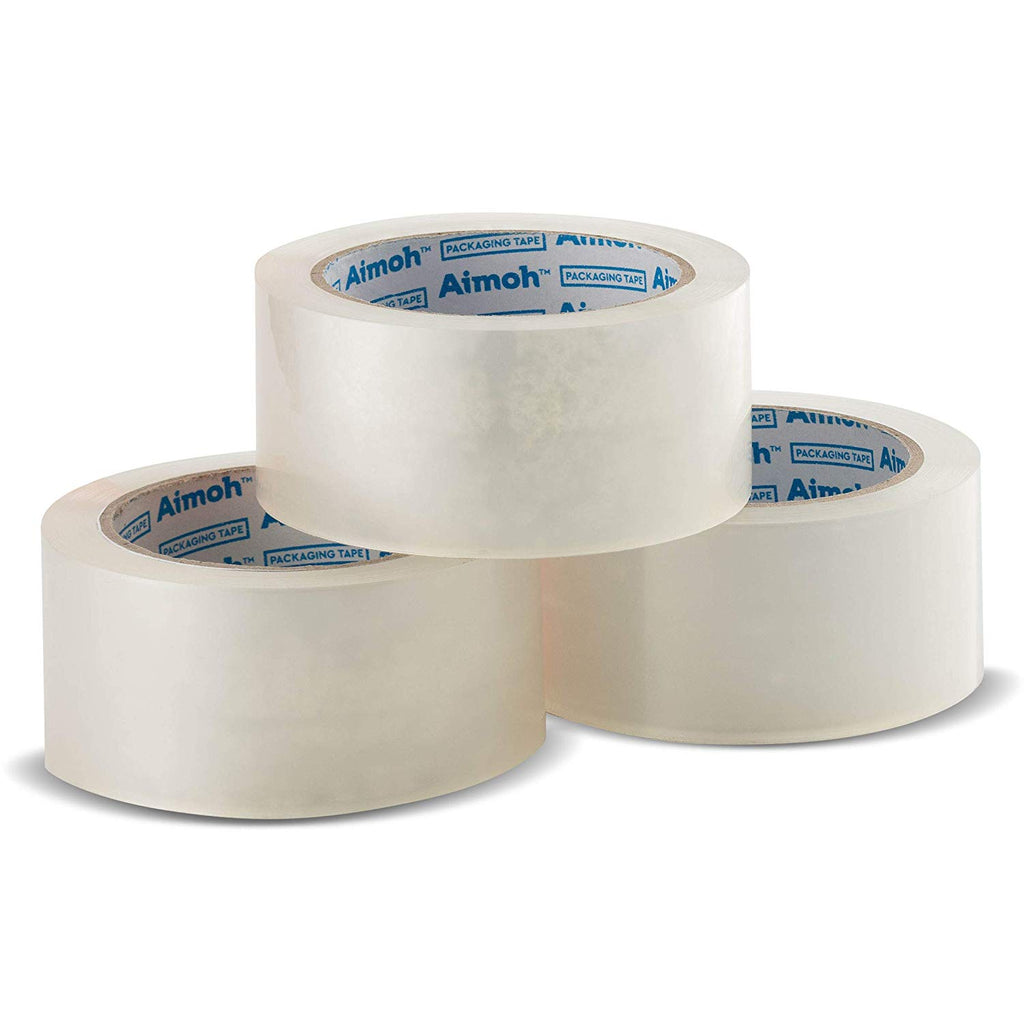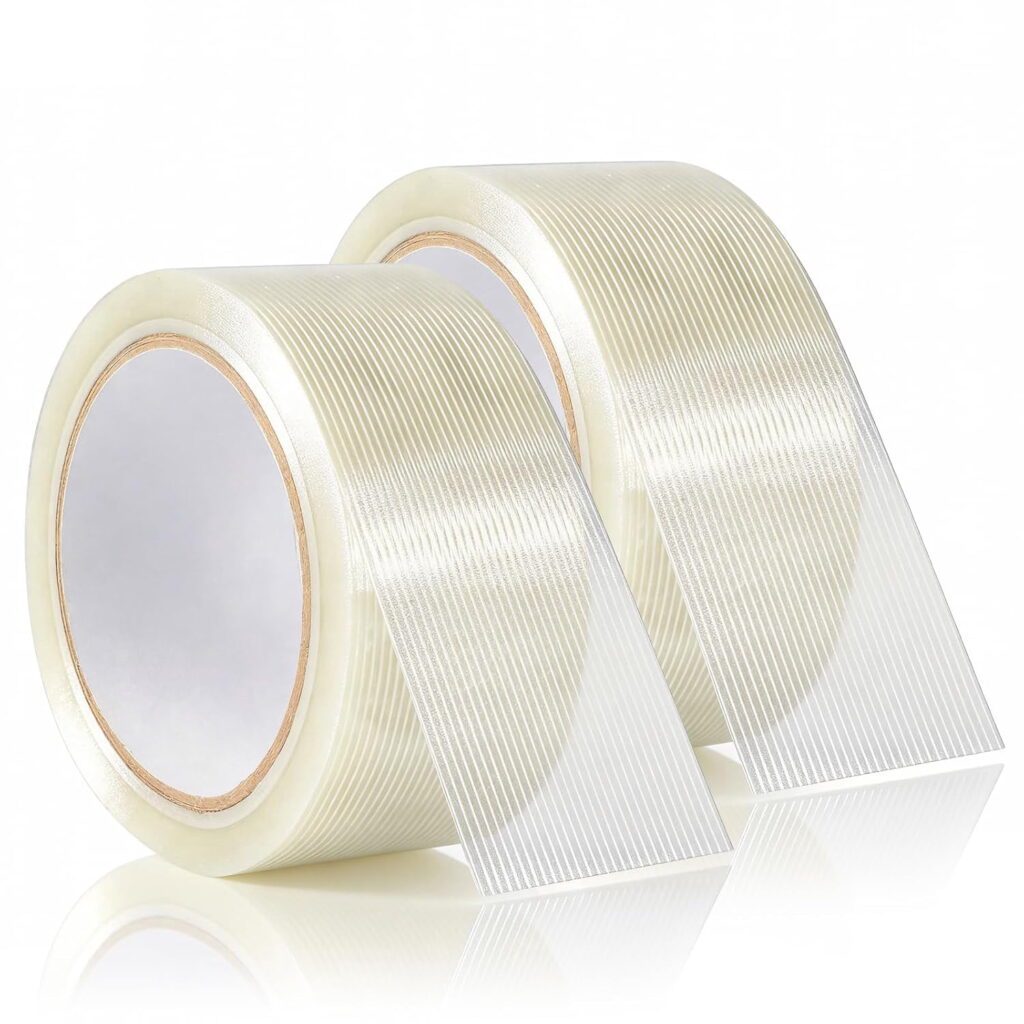
Introduction: Navigating the Global Market for Packaging carton tape
Sourcing packaging carton tape for international supply chains demands precision beyond basic adhesive specifications. For procurement teams across Africa, South America, the Middle East, and Europe—including major hubs like Brazil and Vietnam—selecting inappropriate sealing solutions for extreme climates or recycled substrates risks catastrophic seal failures, customs delays, and damaged inventory. This challenge intensifies when balancing acrylic versus hot-melt formulations against sustainability mandates and performance requirements in volatile global markets.
Why Do Regional Climate Conditions Dictate Your Adhesive Strategy?
Global shipping environments present technical challenges that commodity tapes cannot universally address. From UV-intensive exposure in Middle Eastern deserts to humidity fluctuations in Southeast Asian ports, tape performance varies dramatically based on adhesive chemistry. This guide examines how water-based acrylics deliver superior aging resistance for long-term storage, while high-tack formulations optimize adhesion to recycled corrugated materials—crucial distinctions for managing multi-regional distribution networks where temperature extremes compromise seal integrity.
What Comprehensive Procurement Insights Await International Buyers?
This guide provides actionable frameworks for evaluating tape categories including hot-melt synthetics for immediate tack, EZ-peel solutions for ergonomic warehousing, and biodegradable paper alternatives for circular economy compliance. We analyze application-specific requirements for food packaging operations, e-commerce fulfillment, and heavy-duty industrial shipping, alongside rigorous supplier vetting methodologies, total cost of ownership calculations, and quality assurance protocols tailored to cross-border procurement from emerging markets.
How Will This Resource Transform Your Global Sourcing Operations?
By synthesizing technical specifications with regional logistics intelligence, we equip procurement professionals to mitigate risks inherent in international tape sourcing. Whether optimizing inventory for Brazilian agricultural exports, Middle Eastern retail distribution, or European manufacturing supply chains, you will gain the analytical tools necessary to select sealing solutions that ensure package integrity across diverse climatic zones while meeting evolving sustainability and cost-efficiency targets.
Understanding Packaging carton tape Types and Variations
| Type Name | Key Distinguishing Features | Primary B2B Applications | Brief Pros & Cons for Buyers |
|---|---|---|---|
| Water-Based Acrylic Carton Tape | UV-resistant formulation, extreme temperature stability (-20°C to 60°C+), high optical clarity, Rohm & Haas adhesive chemistry | Food packaging, cold chain logistics, long-term storage, export shipping to varied climates | Pros: Excellent aging resistance, clarity, climate resilience. Cons: Slower initial tack than rubber, premium pricing |
| Hot Melt Synthetic Rubber Tape | Aggressive thermoplastic adhesive, high shear strength, immediate handling tack, consistent release coating | High-volume automated lines, heavy-duty corrugated, immediate palletization requirements | Pros: Superior immediate bond, cost-effective for volume. Cons: Heat/cold sensitivity, potential yellowing over time |
| High-Tack Acrylic for Recycled Cartons | Formulated for 100% recycled corrugated substrates, hot melt-like initial tack with acrylic stability, extreme temperature tolerance | Sustainable packaging operations, recycled box sealing, eco-conscious supply chains | Pros: Bridges gap between acrylic and hot melt, eco-compatible. Cons: Specialized formulation may limit supplier options |
| Reinforced Water-Activated Paper Tape | Fiberglass or paper reinforcement, biodegradable composition, tamper-evident seal, extreme temperature resistance | Heavy-duty export, security-sensitive shipments, 100% recyclable packaging programs | Pros: Ultimate sustainability, permanent bond security. Cons: Requires electric dispensing equipment, slower application process |
| EZ-Peel Edge-Deadened Tape | Strategically deadened adhesive edges, hand-tearable without blades, compatible with standard case sealers | Retail fulfillment, food processing facilities, safety-conscious warehouses, custom branding | Pros: Enhanced worker safety, supports blade-free policies. Cons: Higher unit cost, specific unwind tension requirements |
What Performance Characteristics Define Water-Based Acrylic Carton Tape?
Water-based acrylic tapes utilize emulsion adhesives that cure through water evaporation, delivering exceptional long-term adhesion and UV stability. These tapes maintain performance across extreme temperature fluctuations, making them ideal for export shipments traversing multiple climate zones or cold storage applications. Buyers should specify acrylic formulations when packages face prolonged storage or outdoor exposure, though they must account for slightly slower initial tack compared
Key Industrial Applications of Packaging carton tape
| Industry/Sector | Specific Application of Packaging carton tape | Value/Benefit for the Business | Key Sourcing Considerations for this Application |
|---|---|---|---|
| Food & Beverage Processing | Cold chain sealing for frozen and refrigerated goods using UV-resistant acrylic tape | Maintains seal integrity across extreme temperature shifts (-20°C to 60°C); prevents condensation-related adhesive failure; clear appearance supports brand visibility and barcode readability | Verify food-grade compliance (FDA/EU standards); ensure acrylic adhesive formulation for tropical-to-cold chain transitions; optical clarity for automated scanning systems |
| E-commerce & 3PL Logistics | High-tack sealing for 100% recycled corrugated boxes in high-volume distribution centers | Secure adhesion on challenging recycled substrates reduces package failure rates; supports sustainability credentials; cost-effective alternative to hot melt in variable climates | Compatibility with 30-100% recycled content; high initial tack for automated lines; resistance to paper dust in warehouse environments common in Brazil and Vietnam |
| Agricultural Export & Commodities | Heavy-duty hot melt sealing for rough-handled bulk shipments (coffee, cocoa, grains) | Superior shear strength prevents burst seams during stacking and long-haul transport; synthetic rubber adhesive performs in high humidity (up to 85% RH) at African and South American ports | High shear strength for heavy loads; moisture resistance for tropical maritime conditions; compatibility with both manual dispensers and semi-automated case sealers |
| Manufacturing & Industrial Distribution | Custom printed tamper-evident tape for machinery parts and automotive components | Brand reinforcement and theft deterrence through surface/lock printing; EZ-peel features reduce worker injury risk; color-coding streamlines inventory management | Custom print durability (scratch/UV resistance); deadened adhesive edges for safe handling; compliance with EU PPWR sustainability mandates and recyclability requirements |
How Does UV-Resistant Acrylic Tape Solve Cold Chain Challenges in Tropical Climates?
In regions like the Middle East and North Africa, where ambient temperatures exceed 50°C during transport yet plunge to freezing in cold storage, standard adhesives often fail. Water-based acrylic carton sealing tape with UV stabilization prevents yellowing and maintains tack across these extremes. For food exporters in Brazil and Vietnam, this clarity ensures barcode readability and brand presentation while preventing condensation-related seal lifting during tropical-to-temperate transit. Buyers should prioritize Rohm & Haas adhesive formulations that retain performance from -20°C to 60°C.
Why Is High-Tack Acrylic Tape the Smart Choice for Recycled Packaging in Emerging Markets?
E-commerce fulfillment centers in Brazil and Vietnam increasingly utilize 100% recycled corrugated to meet sustainability demands, yet traditional hot melt tapes struggle with dusty, short-fiber recycled surfaces. BG High Tack acrylic formulations bond aggressively to these challenging substrates without requiring surface treatment, offering a cost-stable alternative to synthetic rubber adhesives. This reduces carton failure rates during last-mile delivery across uneven infrastructure while supporting circular economy goals crucial for European market access.
What Makes Hot Melt Tape Essential for Agricultural Exports in High-Humidity Regions?
Coffee and cocoa exporters in Africa and South America face 85%+ humidity at ports and rough handling during consolidation. High-shear hot melt carton sealing tape utilizes aggressive synthetic rubber adhesives that resist moisture infiltration and maintain seal integrity under stacking pressure. Unlike acrylic alternatives, these formulations prevent “flagging” (tape lifting at edges) when cartons are dragged across concrete loading docks. Procurement teams should verify consistent release coating properties to ensure compatibility with both manual dispensers and automated case sealers in variable conditions.
How Can Custom Printed Tape Align with European Sustainability and Branding Requirements?
Industrial distributors serving EU markets must comply with the Packaging and Packaging Waste Regulation (PPWR) while maintaining brand security. Custom printed paper tape offers a recyclable, biodegradable solution that eliminates plastic separation for end-users. For manufacturers in the Middle East exporting to Europe, surface-printed logos provide tamper evidence, while EZ-peel edges with deadened adhesive reduce workplace laceration risks. Sourcing colored or branded tape requires verifying water-based ink durability against abrasion and UV exposure during Mediterranean transit.
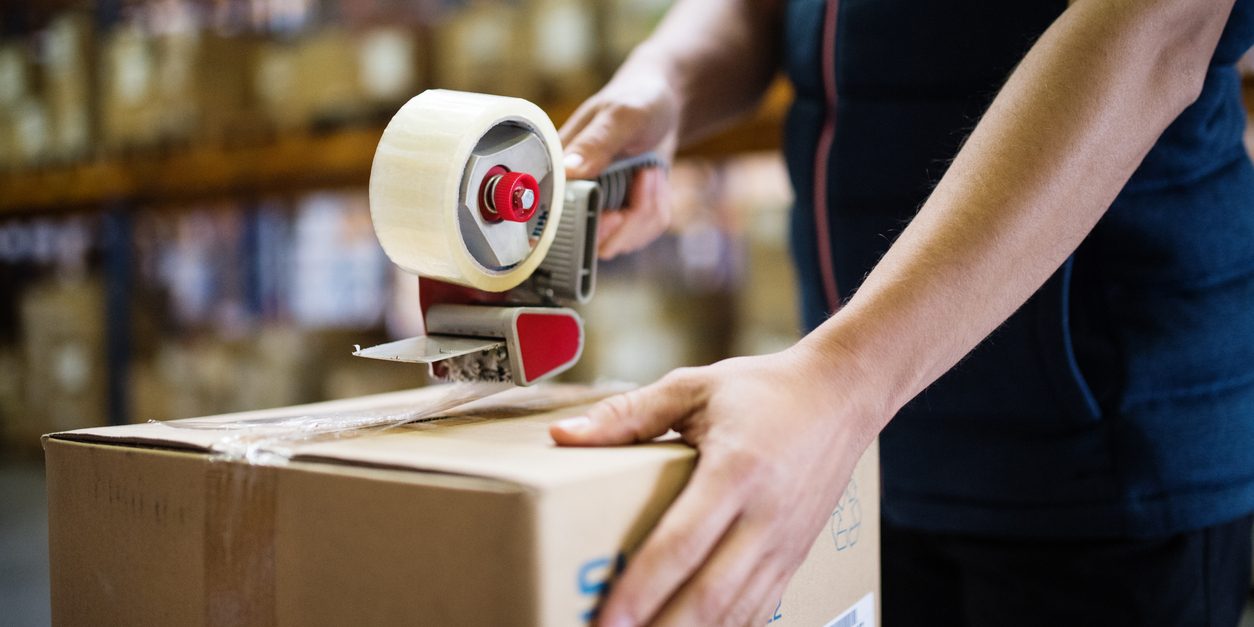
A stock image related to Packaging carton tape.
3 Common User Pain Points for ‘Packaging carton tape’ & Their Solutions
Scenario 1: Why Does Carton Tape Fail on 100% Recycled Corrugated Surfaces?
The Problem: As businesses across Europe and Brazil accelerate sustainability initiatives, many procurement teams are transitioning to 100% recycled corrugated cartons. However, they frequently encounter unexpected adhesion failures when using standard acrylic tapes on these eco-friendly substrates. The shorter fibers and surface dust inherent in recycled cardboard create micro-barriers that prevent conventional adhesives from forming proper molecular bonds. This results in “flagging” tape edges, complete seal failure during transit, and costly rework that undermines both operational efficiency and environmental goals.
The Solution: Specify high-tack acrylic formulations engineered specifically for recycled content, which feature aggressive initial tack properties capable of penetrating surface irregularities and dust particles. These advanced adhesives, often utilizing specialized Rohm & Haas acrylic technologies, provide superior bonding to challenging substrates without compromising sustainability objectives. Conduct thorough adhesion testing on your actual recycled carton stock before committing to bulk orders, and select tapes explicitly rated for “recycled corrugated” compatibility to ensure reliable performance across your sustainable packaging supply chain.
Scenario 2: How to Select Tape for Extreme Temperatures and Heavy-Duty Industrial Use?
The Problem: B2B buyers operating across diverse climate zones—from the intense heat of Middle Eastern logistics hubs to freezing European winters—face critical seal
Strategic Material Selection Guide for Packaging carton tape
Selecting the optimal carton sealing material requires balancing adhesive chemistry, substrate compatibility, and environmental resilience against total cost of ownership. For procurement teams operating across diverse climates—from the humidity of Southeast Asia to the desert heat of the Middle East and the sustainability mandates of Europe—understanding material distinctions prevents costly seal failures, transit damage, and customs delays. This guide analyzes four primary tape constructions, evaluating their performance characteristics against real-world logistics challenges including temperature fluctuations, recycled content variability, and end-of-life disposal requirements in emerging and established markets.
Which adhesive technology delivers consistent performance across extreme temperature fluctuations?
Water-based acrylic adhesives, typically applied to biaxially oriented polypropylene (BOPP) film backings, offer exceptional UV resistance and anti-yellowing properties critical for long-term storage and outdoor exposure in markets like Brazil and Africa. These formulations maintain adhesion integrity across broad temperature ranges, from freezing cold to intense heat, making them ideal for food packaging operations and temperature-controlled supply chains where tape aesthetics impact brand perception. The Rohm & Haas acrylic chemistry provides excellent clarity for barcode scanning and brand visibility while resisting oxidation. However, standard acrylics may exhibit slower initial tack on high-recycled-content corrugated, requiring longer dwell times to achieve full bond strength. This material represents a mid-range cost option that delivers premium stability for climate-sensitive exports.
What material provides aggressive initial tack for heavy-duty export applications?
Hot melt tapes utilize synthetic rubber adhesives that deliver immediate, aggressive bonding upon application, eliminating the need for extended pressure dwell times in high-speed packaging lines. These systems demonstrate superior shear resistance, preventing package creep during stacked storage and rough handling characteristic of international ocean freight. The aggressive tack makes them particularly effective for dusty manufacturing environments common in mining and agricultural sectors across South America and Africa. While offering excellent initial grab, hot melt adhesives can become brittle in extreme cold or soften excessively in high-heat environments, potentially compromising seal integrity during multi-climate shipping routes. They typically offer lower material costs than acrylics but may require higher application pressure and precise tension control for optimal performance.
How do sustainable packaging mandates influence material selection for circular economy compliance?
Reinforced paper tapes, featuring fiberglass or cellulose fibers embedded in kraft paper with water-activated adhesives, provide the only fully recyclable and biodegradable sealing solution compatible with corrugated recycling streams in European markets. These tapes create a permanent, tamper-evident bond that penetrates carton fibers, offering superior security for high-value exports subject to strict Extended Producer Responsibility (EPR) regulations. The material withstands extreme temperature variations without adhesive degradation and integrates seamlessly with automated gummed tape dispensers. Limitations include moisture sensitivity during application, requiring controlled warehouse conditions prevalent in humid regions, and incompatibility with standard pressure-sensitive tape dispensers. While material costs run higher than plastic alternatives, the elimination of plastic waste fees and enhanced brand sustainability credentials often offset initial investments for premium positioning.
Which tape formulation addresses the challenges of low-surface-energy recycled corrugated?
Specialized high-tack acrylic formulations bridge the gap between standard acrylics and hot melts, specifically engineered to bond with 100% recycled corrugated cartons featuring low surface energy and surface contaminants common in emerging markets. These adhesives combine the temperature stability of water-based acrylics with enhanced initial grab, making them suitable for cold-chain logistics and eco-conscious packaging operations in Vietnam and Brazil. The formulation maintains adhesion despite the dust and short fibers prevalent in recycled board, reducing carton pop-opens during humid transit conditions. While commanding a premium price point over conventional hot melts, this material eliminates the need for carton double-taping, reducing overall tape consumption and labor costs while supporting circular economy goals.
| Material | Typical Use Case for Packaging carton tape | Key Advantage | Key Disadvantage/Limitation | Relative Cost |
|---|---|---|---|---|
| Water-Based Acrylic BOPP | Food packaging, long-term storage, UV-exposed shipments | Excellent clarity and UV resistance; stable across temperature extremes | Slower initial tack on recycled substrates |
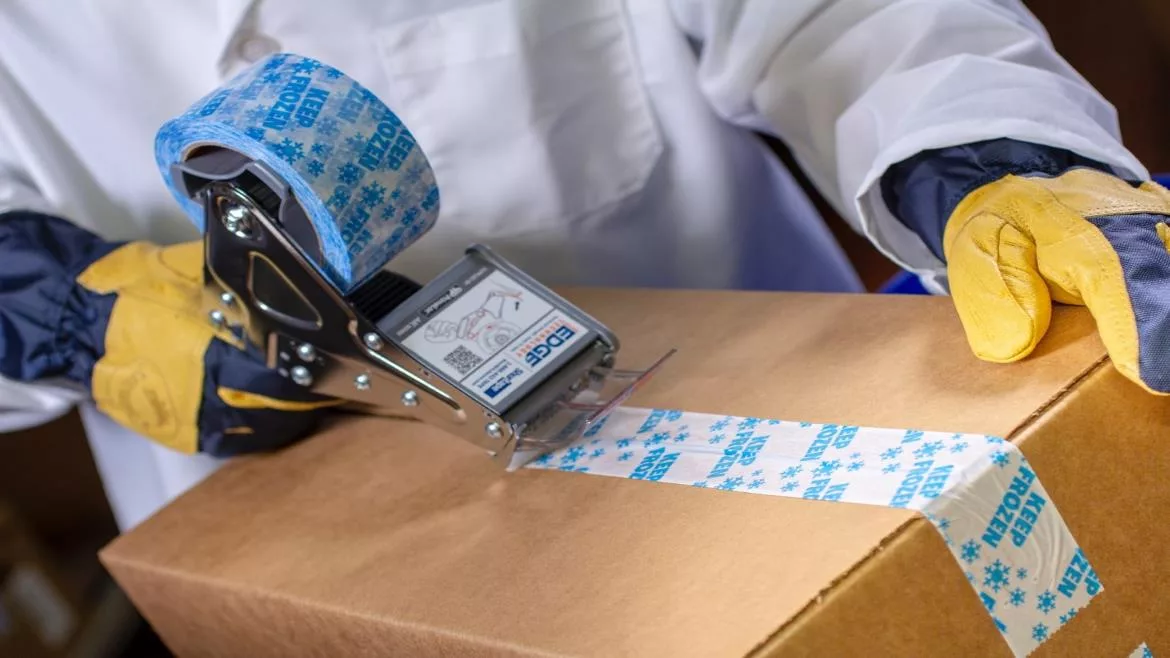
A stock image related to Packaging carton tape.
In-depth Look: Manufacturing Processes and Quality Assurance for Packaging carton tape
Understanding the manufacturing intricacies behind carton sealing tape empowers procurement teams to assess supplier capabilities beyond surface-level specifications. For operations spanning diverse climates—from the humidity of Southeast Asia to the temperature extremes of the Middle East and South America—manufacturing precision directly correlates with field performance. The production of industrial-grade packaging tape involves sophisticated polymer science, precision coating technologies, and rigorous validation protocols that separate commodity products from high-performance sealing solutions.
How Is High-Performance Carton Sealing Tape Manufactured?
The manufacturing process begins with biaxially oriented polypropylene (BOPP) film extrusion, where polymer pellets are stretched in two directions to create a substrate with exceptional tensile strength and dimensional stability. This film undergoes corona treatment to increase surface energy, ensuring optimal adhesive wetting and anchorage during the coating phase. For water-based acrylic tapes, manufacturers apply emulsion adhesives containing Rohm & Haas or similar premium acrylic polymers through precision slot-die coating or reverse-roll coating methods, followed by controlled drying tunnels that evaporate water content while preserving adhesive integrity.
Hot melt synthetic rubber adhesives require different processing parameters. These formulations are heated to 150-180°C and applied as molten coatings that cool rapidly to form aggressive tack properties. The coating weight—typically measured in grams per square meter (GSM)—varies by application, with heavy-duty shipping tapes receiving 25-30 GSM compared to 18-22 GSM for general purpose sealing. Following adhesive application, manufacturers apply silicone release coatings to the non-adhesive side, controlling unwind force characteristics critical for high-speed automated dispensers. The master rolls then undergo precision slitting to customer-specified widths, with tolerances maintained within ±0.5mm to ensure compatibility with case sealers and hand dispensers across global equipment standards.
What Quality Assurance Tests Validate Tape Performance in Extreme Environments?
Quality control laboratories employ standardized testing methodologies to simulate real-world stressors. Peel adhesion testing per ASTM D3330 measures the force required to remove tape from standardized corrugated surfaces at 180-degree angles, with high-performance acrylics demonstrating 20-30 oz/inch holding power. Shear resistance testing (ASTM D3654) evaluates the tape’s ability to resist slippage under constant load, particularly critical for heavy boxes in stacked warehouse environments where temperatures may exceed 40°C.
Environmental chambers subject tape samples to accelerated aging cycles, cycling between -10°C and 60°C to validate performance claims for extreme temperature applications. UV exposure testing using xenon arc lamps simulates six months of outdoor storage, measuring yellowing indices via spectrophotometry—essential for food packaging operations where tape clarity affects product presentation. Additionally, manufacturers conduct loop tack testing to quantify initial grab strength, ensuring immediate bond formation on high-recycled-content corrugated that presents challenging surface chemistries.
How Do Manufacturers Optimize Adhesion for Recycled and Virgin Corrugated Boards?
The shift toward sustainable packaging has necessitated adhesive innovations for 100% recycled corrugated, which exhibits lower surface energy and higher dust content than virgin Kraft liners. Leading manufacturers address this through specialized high-tack acrylic formulations that incorporate wetting agents to penetrate fibrous surfaces effectively. These formulations balance immediate tack with ultimate adhesion strength, preventing “pop-opens” during the first 24 hours of sealing while developing stronger bonds over 72-hour cure periods.
Surface preparation protocols in manufacturing include anti-static treatments that minimize dust attraction during the coating process, ensuring consistent adhesive contact with recycled substrates. For hot melt synthetic rubber tapes, manufacturers adjust tackifier resin ratios to enhance flow characteristics into porous recycled board surfaces. B2B buyers should verify that suppliers conduct specific adhesion testing on 100% recycled corrugated substrates rather than virgin Kraft standards, as performance differentials can exceed 30% in peel strength metrics.
What Certifications Should International Buyers Demand from Tape Suppliers?
Regulatory compliance varies significantly across target markets, requiring manufacturers to maintain multi-jurisdictional certifications. For food packaging applications, FDA 21 CFR 175.105 compliance or EU Regulation 10/2011 certification ensures adhesive formulations meet indirect food contact requirements. European buyers should verify REACH compliance and RoHS certification regarding restricted substances, while Middle Eastern markets often require SASO (Saudi Standards, Metrology and Quality Organization) conformity marks.
Environmental certifications including FSC Chain of Custody for paper tape products and ISO 14001 environmental management systems demonstrate manufacturing sustainability. For automated packaging lines, ISO 9001:2015 quality management certification ensures consistent roll-to-roll performance and dimensional tolerances. Buyers sourcing for pharmaceutical or electronics sectors should additionally request ESD (electrostatic discharge) testing reports and cleanroom manufacturing protocols where applicable.
How Does Release Coating Technology Impact Automated Packaging Efficiency?
The often-overlooked release coating determines tape performance in automated case sealing operations. Inconsistent silicone coating application causes “telescoping” (lateral roll shifting) or excessive unwind force that triggers machine jams. Advanced manufacturers employ gravure coating or Meyer rod techniques to achieve uniform release profiles, typically targeting 50-150 grams unwind force for machine-grade tapes.
EZ-Peel technologies require precision deadening of adhesive on tape edges through pattern coating or chemical treatment, allowing hand-tear capability without blade cutters while maintaining central adhesive strength. This manufacturing complexity demands tight process controls—variations in edge deadening width exceeding 2mm can compromise seal integrity or tear resistance. For buyers operating mixed manual and automated lines, verifying that suppliers offer consistent release profiles across both hand-grade and machine-grade rolls prevents changeover inefficiencies and reduces downtime by up to 15% in high-volume operations.
When evaluating manufacturing partners, B2B procurement teams should request facility audit reports covering adhesive mixing accuracy, BOPP film thickness consistency (typically 28-35 micron for carton sealing), and statistical process control data for coating weights. These manufacturing metrics provide predictive indicators of field performance, ensuring that packaging integrity withstands the logistical demands of international shipping corridors from São Paulo to Dubai.
Practical Sourcing Guide: A Step-by-Step Checklist for ‘Packaging carton tape’
Procuring carton sealing tape for international operations requires systematic evaluation beyond unit pricing. For buyers managing diverse climates and regulatory environments across Africa, South America, and the Middle East, this checklist ensures your selection balances adhesive performance, sustainability mandates, and equipment compatibility while maintaining supply chain integrity.
-
How Do I Match Adhesive Chemistry to Climate and Substrate?
Map your temperature exposure ranges and carton fiber content. Water-based acrylic tapes withstand extreme heat and UV exposure without yellowing, ideal for Middle Eastern or Brazilian logistics corridors. For 100% recycled corrugated common in European markets, specify high-tack acrylic formulations that bond aggressively with shorter fibers. Hot melt synthetic rubber adhesives deliver superior shear strength for heavy loads but require climate-controlled storage to prevent adhesive flow in tropical humidity.
-
What Sustainability Certifications Should I Verify for Global Compliance?
Align tape selection with regional recycling infrastructure. Paper-based sealing tapes offer biodegradable solutions meeting stringent EU packaging regulations and emerging ESG standards in Vietnam. For plastic tapes, confirm compatibility with corrugated recycling streams to avoid contamination fees. Request documentation proving water-based ink usage for custom printed varieties and verify ASTM D5338 biodegradability standards for eco-conscious product lines targeting European supermarkets.
-
Does My Selection Support Automation and Labor Efficiency?
Validate tape specifications against your sealing equipment. Hot melt varieties require consistent release coatings for automated case sealers to prevent flagging, while EZ-peel tapes with deadened edges reduce workplace injury risks in manual operations by eliminating blade requirements. Confirm core dimensions match your dispenser inventory. Test sample rolls on your actual corrugated grade to verify unwind consistency and adhesive transfer rates before committing to bulk orders.
-
How Can Customization Reduce Handling Errors and Enhance Branding?
Implement color-coded or printed tape strategies for multi-lingual warehouse environments. Surface-print technologies enable handling instructions visible across African and South American distribution networks without language barriers. Specify UV-resistant inks that maintain clarity after 30-day outdoor storage. For high-value electronics or pharmaceuticals, integrate tamper-evident patterns that fracture upon removal, providing security verification upon receipt.
-
Which Quality Benchmarks Validate Supplier Reliability?
Require ISO 9001 manufacturing certification and adhesive composition disclosures compliant with FDA regulations for food-contact applications. Demand shear strength testing data and peel adhesion reports specific to your board grade. Establish incoming inspection protocols checking roll diameter consistency, core integrity, and absence of adhesive bleeding that could indicate improper storage during international transit.
-
How Should I Optimize Logistics and Inventory for International Procurement?
Structure purchase agreements with moisture-barrier packaging specifications to prevent adhesive degradation during ocean freight to humid climates. Negotiate staggered delivery schedules aligned with consumption rates, typically maintaining 45-60 days inventory for high-volume operations. Specify master carton configurations that minimize warehouse handling while ensuring first-in-first-out rotation to preserve adhesive freshness in tropical storage conditions.
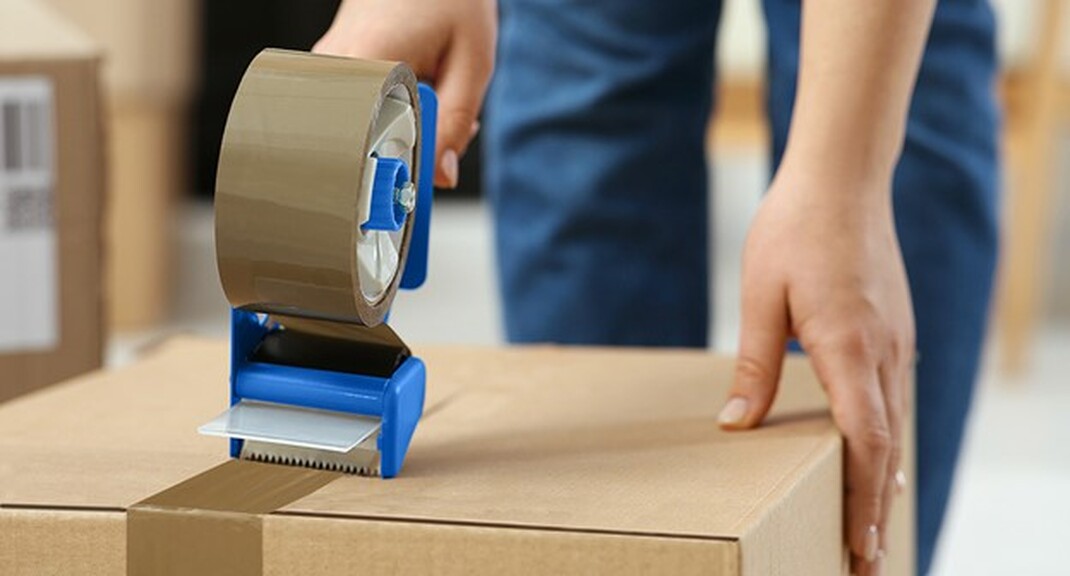
A stock image related to Packaging carton tape.
Comprehensive Cost and Pricing Analysis for Packaging carton tape Sourcing
When sourcing carton sealing tape for international operations, discerning buyers must look beyond per-roll pricing to understand the complete cost architecture. The global tape market presents significant variance in pricing models, driven by adhesive chemistry, substrate quality, and regional manufacturing capabilities. For procurement teams in Brazil, Vietnam, and across emerging markets, strategic sourcing decisions require analyzing how formulation choices impact both immediate expenditure and long-term operational efficiency.
How Do Adhesive Technologies Impact Carton Sealing Tape Pricing?
Acrylic-based tapes, particularly water-based formulations designed for extreme temperature stability and UV resistance, typically command premium pricing due to advanced Rohm & Haas adhesive systems and extended durability. Hot melt synthetic rubber adhesives offer aggressive initial tack and high shear strength at moderate price points, making them cost-effective for high-volume standard corrugated applications. Natural rubber adhesives represent the highest tier, delivering superior performance on recycled or challenging substrates, though they require careful cost-benefit analysis against acrylic alternatives for budget-conscious operations.
What Volume-Based Pricing Strategies Should Global Buyers Negotiate?
International B2B procurement benefits significantly from container-load negotiations, with manufacturers offering tiered discounts at full 20-foot and 40-foot container quantities. Buyers should negotiate sliding scale agreements that account for currency fluctuation protections, particularly when sourcing from Asian manufacturing hubs for delivery to African or South American markets. Establishing annual volume commitments rather than spot purchasing can reduce unit costs by 15-30%, while consolidated shipping schedules minimize freight expenditure per roll across multiple SKUs including custom printed varieties.
How Can Buyers Calculate Total Cost of Ownership Beyond Unit Price?
True cost analysis must incorporate application efficiency metrics—tapes with inconsistent release coatings or poor unwind characteristics increase labor costs and machine downtime. Temperature-stable formulations prevent seal failures in non-climate-controlled warehouses, eliminating costly reworks and product damage. For operations utilizing 100% recycled corrugated materials, investing in high-tack acrylic alternatives specifically formulated for challenging substrates reduces adhesive consumption rates, offsetting higher per-roll costs through decreased footage requirements per sealed carton.
What Hidden Costs Exist in Custom Printed and Specialty Carton Tapes?
Branded packaging tape involves plate charges, color-matching fees, and higher minimum order quantities that can increase initial investment by 40-60% over standard clear or tan options. EZ-Peel configurations with deadened adhesive edges command premiums but reduce workplace safety incidents and blade replacement costs. Sustainable paper tape solutions, while carrying higher upfront costs, eliminate plastic waste fees in regulated European markets and align with corporate sustainability mandates that increasingly influence B2B vendor selection criteria.
How Do Logistics and Tariffs Affect International Tape Sourcing Costs?
Despite being lightweight, carton sealing tape’s bulky nature impacts container utilization efficiency, making origin proximity a critical cost factor. Buyers should evaluate regional manufacturing capabilities in Turkey, Southeast Asia, or Latin America to mitigate freight costs and import duty exposure. Understanding HS code classifications—typically 3919.10 for self-adhesive plastic tapes—enables accurate landed cost calculations including anti-dumping duties prevalent in certain jurisdictions, ensuring procurement budgets account for total delivered expenses rather than ex-factory pricing alone.
Alternatives Analysis: Comparing Packaging carton tape With Other Solutions
When evaluating secondary packaging strategies, procurement teams must weigh pressure-sensitive carton tape against emerging alternatives that promise enhanced sustainability, automation compatibility, or superior load containment in challenging climates. While traditional polypropylene or acrylic carton tape remains the industry standard for its versatility and low barrier to entry, alternatives such as water-activated paper tape and hot melt adhesive systems present distinct operational trade-offs that merit consideration for specific supply chain environments, particularly across diverse climate zones in Africa, South America, and the Middle East.
| Comparison Aspect | Pressure-Sensitive Carton Tape | Water-Activated Paper Tape | Hot Melt Adhesive Systems |
|---|---|---|---|
| Seal Integrity & Security | High immediate tack; vulnerable to tampering via heat/reheating | Superior fiber-reinforced bond; permanent seal; tamper-evident | Rigid, permanent bond; excellent for heavy loads; moisture-resistant |
| Initial Investment & Operating Costs | Low capital investment; minimal equipment; ongoing consumables costs | Moderate dispenser cost; 30-40% lower material usage; higher per-roll cost | High equipment CAPEX; low per-unit material cost at volume; energy costs |
| Implementation Complexity | Immediate deployment; hand dispensers or standard case sealers | Requires water reservoir dispensers; 2-3 minute curing period | Requires heated reservoirs, compressed air, and automated dispensing heads |
| Environmental Impact & Disposal | Plastic-based (polypropylene); contaminates recycling streams | Biodegradable; recyclable with corrugated; plastic-free | Synthetic polymers; non-recyclable bond; energy-intensive application |
| Climate Adaptability | Acrylic formulas resist humidity; hot melt tapes handle temperature swings | Performs well in humidity; sensitive to pre-application dryness | Excellent in high humidity; requires stable electrical supply for temperature control |
| Throughput Speed | Immediate handling; suitable for manual and automated lines | Reduced speed due to activation/curing; ideal for lower velocity | High-speed application; requires warm-up cycles |
Is Water-Activated Paper Tape the Right Sustainable Alternative for Your Export Markets?
Water-activated paper tape, commonly referred to as gummed tape, employs a starch-based adhesive that chemically bonds with corrugated fibers upon moisture activation, creating a permanent, tamper-evident seal that essentially becomes part of the box structure. For B2B buyers navigating increasingly stringent sustainability regulations—particularly across the European Union and environmentally conscious segments of the North American market—this alternative eliminates plastic contamination entirely, allowing recipients to recycle packaging without separating materials. Implementation considerations vary significantly by region; while the single-strip application reduces material consumption by 30-40% compared to overlapping plastic tape applications, the requirement for specialized dispensers with water reservoirs presents
Essential Technical Properties and Trade Terminology for Packaging carton tape
When sourcing carton sealing tape for international logistics corridors—whether shipping from São Paulo to Rotterdam or Lagos to Dubai—understanding technical specifications ensures compliance with diverse climate conditions and handling standards. The following properties and terminology form the procurement baseline for high-volume B2B operations.
What Are the Critical Technical Specifications for Export-Grade Carton Tape?
Tensile Strength and Elongation measure a tape’s resistance to breaking under stress, typically quantified in Newtons per 25mm or pounds per inch. For heavy-load containers common in bulk agricultural or manufacturing exports, look for minimum tensile strength of 35 N/25mm combined with 150-180% elongation capacity to accommodate box expansion during transit.
Adhesive Chemistry Classification determines performance in varying environments. Water-based acrylic adhesives offer excellent UV stability and temperature resistance (-10°C to 70°C), making them ideal for long-term storage in hot climates. Synthetic rubber hot-melt adhesives provide aggressive initial tack and cost efficiency for high-speed automated lines, though they may degrade under extreme heat exposure.
Temperature Operating Range is particularly critical for buyers in tropical regions (Brazil, Vietnam, West Africa) where warehouse temperatures exceed 40°C. Premium acrylic formulations maintain adhesion integrity across wider temperature spectrums compared to standard hot-melt alternatives, preventing seal failure during peak summer months.
Film Thickness (Micron/Gauge) directly correlates with puncture resistance. Standard BOPP (Biaxially Oriented Polypropylene) carton tape ranges from 40-50 microns (1.6-2.0 mil), while heavy-duty applications require 60+ microns to prevent tearing during rough handling.
Optical Clarity and Printability matters for branded packaging and food-grade applications. High-clarity BOPP film ensures barcode scanability and professional presentation, while surface energy levels (38+ dynes) determine ink adhesion for custom logo printing.
How Do Industry Terms Impact Your Tape Procurement Decisions?
Initial Tack versus Shear Resistance represents the balance between immediate stickiness and long-term holding power. High-tack formulations provide instant adhesion to challenging substrates, while high-shear adhesives prevent “creeping” or sliding under constant load stress during ocean freight.
Substrate Compatibility refers to tape performance on specific carton surfaces. With sustainability mandates increasing recycled content in packaging, “recycled corrugated compatibility” indicates specialized adhesive formulations that bond effectively with shorter paper fibers and dust-prone surfaces common in eco-friendly boxes.
Release Coating and Unwind Force describe the silicone treatment applied to the tape backing that controls how easily the tape unwinds from the roll. Consistent release coating prevents “telescoping” (layer shifting) and ensures smooth application in both manual and automated dispensing systems, reducing line stoppages.
Deadened Adhesive (EZ-Peel Technology) involves treating the tape edges with reduced tack or specialized coatings, allowing workers to lift the tape end without blades. This specification improves warehouse safety and efficiency, particularly valuable in high-volume e-commerce fulfillment centers where cutting tools pose injury risks.
Flagging describes the condition where tape edges lift from the carton surface, typically caused by insufficient tack on recycled substrates or thermal expansion. This failure mode is particularly prevalent in humid climates, making high-tack acrylic formulations essential for tropical logistics corridors.
UV Stability Ratings indicate resistance to yellowing and adhesive degradation during outdoor exposure. For Middle Eastern and African markets where goods often await customs clearance in direct sunlight, UV-stable acrylic tapes maintain seal integrity and professional appearance longer than standard formulations.
Navigating Market Dynamics and Sourcing Trends in the Packaging carton tape Sector
What Are the Critical Market Dynamics Shaping Carton Tape Procurement in 2025?
The global carton sealing tape market is undergoing structural realignment as regional supply chains adapt to post-pandemic logistics demands and climate-specific performance requirements. For procurement teams spanning Africa, South America, the Middle East, and Europe, understanding regional adhesive performance standards has become essential for maintaining package integrity across diverse environmental conditions.
Water-based acrylic technologies continue to dominate premium segments, offering exceptional clarity and UV radiation protection that prevents yellowing during extended storage or outdoor transit—critical considerations for food packaging operations and export-oriented manufacturers facing strict aesthetic requirements. These formulations demonstrate superior aging characteristics compared to conventional rubber-based adhesives, ensuring that sealed cartons maintain professional appearance throughout extended supply chain journeys. However, the most significant market shift involves the rise of high-tack acrylic formulations specifically engineered for 100% recycled corrugated substrates. These advanced adhesives deliver hot-melt-level initial tack and shear strength while maintaining stability across extreme temperature ranges, addressing the dual imperatives of circular economy compliance and logistical reliability in regions experiencing severe heat or humidity.
Regional sourcing strategies increasingly reflect climate-adaptive procurement philosophies. Middle Eastern and African buyers prioritize tapes with proven shear resistance and aggressive tack properties to combat high-ambient-temperature degradation, where standard adhesives may soften and compromise seal integrity during desert transit or tropical storage. Conversely, European markets emphasize solutions compatible with high-speed automated packaging lines and sustainable material streams, driving demand for consistent release coatings and precision application characteristics. The proliferation of e-commerce across Brazil, Vietnam, and emerging economies has further accelerated demand for tamper-evident and custom-printed tape solutions, transforming basic sealing products into brand communication vehicles and security features that deter pilferage. Additionally, the integration of EZ-peel technologies—featuring deadened adhesive edges—addresses workplace safety regulations while reducing packaging time in high-volume distribution centers, offering particular value for operations managing seasonal demand fluctuations or cold chain logistics where glove-wearing workers require easy handling.
How Can International Buyers Navigate Sustainability and Ethical Sourcing in Adhesive Tape Procurement?
Sustainability has evolved from marketing differentiation to operational necessity, with B2B buyers now requiring comprehensive lifecycle assessments of their packaging materials. The intersection of environmental responsibility and performance reliability presents unique challenges for procurement teams sourcing across international markets with varying recycling infrastructures and regulatory frameworks.
Paper-based carton sealing tapes represent the most significant innovation in sustainable packaging, offering complete biodegradability and recyclability without the contamination risks associated with synthetic adhesives. These solutions maintain excellent durability against high and low temperature extremes while integrating seamlessly with existing case sealing equipment, eliminating the performance penalties traditionally associated with eco-friendly alternatives. For operations requiring synthetic adhesives, selecting formulations specifically compatible with recycled corrugated streams—such as specialized high-tack acrylics—ensures that packaging materials support rather than hinder circular economy objectives, allowing businesses to maintain secure seals while utilizing post-consumer cardboard content and reducing virgin material dependency.
Ethical sourcing extends beyond material composition to encompass manufacturing transparency and supply chain resilience. Buyers should evaluate suppliers based on consistent adhesive formulation standards, such as those employing recognized acrylic adhesive technologies with documented
Frequently Asked Questions (FAQs) for B2B Buyers of Packaging carton tape
What is the difference between hot melt and acrylic adhesive tape for carton sealing?
Hot melt tapes utilize aggressive synthetic rubber adhesives that deliver immediate tack and high shear strength, making them ideal for high-speed automated lines and heavy-duty cartons requiring instant seal integrity. Acrylic adhesives, particularly water-based formulations, offer superior UV resistance and temperature stability across extreme ranges from freezing to tropical heat, maintaining optical clarity without yellowing during long-term storage. While hot melt excels in initial grab and works well for high-volume export shipments, acrylic provides better adhesion on recycled corrugated surfaces and performs consistently through temperature fluctuations common in Middle Eastern and South American logistics.
What thickness and width of packaging tape is best for heavy-duty industrial use?
For heavy-duty industrial applications, select tape thicknesses between 2.0 to 3.1 mils (50-80 microns) to ensure adequate tensile strength and puncture resistance during rough handling in warehouse and port environments. Standard widths of 48mm (2 inches) suit most cartons up to 30kg, while 72mm (3 inches) widths provide necessary coverage for double-walled boxes or loads exceeding 40kg common in bulk commodity shipping. High-tack acrylic or reinforced hot melt formulations in these dimensions prevent seal failure during palletized stacking and long-distance ocean freight.
How do you calculate bulk packaging tape requirements for warehouse operations?
Calculate monthly consumption by multiplying your average daily carton volume by 1.5 to 2.0 meters of tape per box, accounting for standard overlap and sealing patterns on regular slotted containers (RSC). Automated case sealers typically require 15-20% additional linear footage compared to manual application due to lead and trail tape mechanisms, while EZ-peel configurations may reduce waste in hand-application environments. Establish safety stock of 45-60 days for international procurement, factoring in sea freight lead times from manufacturing hubs to African, South American, or Middle Eastern distribution centers.
Is water-activated reinforced tape more secure than standard plastic carton tape for shipping?
Water-activated reinforced tape (WAT) creates a permanent molecular bond with corrugated fibers, making it significantly more tamper-evident than pressure-sensitive plastic tapes that merely adhere to the surface and can be resealed undetected. The embedded fiberglass or cross-woven paper threads provide exceptional tensile strength that resists pilferage and withstands humidity fluctuations better than acrylic or hot melt alternatives during transoceanic voyages. While WAT requires specialized dispensers and longer application time, it remains the gold standard for high-value electronics, pharmaceuticals, and luxury goods exports requiring maximum security.
Which carton sealing tape works best with 100% recycled corrugated boxes?
High-tack acrylic formulations specifically engineered for recycled content provide superior penetration of the shorter fiber lengths and surface dust common in 100% post-consumer corrugated board. These specialized adhesives maintain aggressive initial tack and long-term adhesion on inconsistent textures where standard hot melt tapes may lift or fail, particularly in humid climates like Southeast Asia or coastal African regions. Look for tapes specifically labeled for recycled content compatibility to ensure seal integrity while supporting circular economy packaging goals.
How do extreme temperatures affect carton sealing tape performance in international shipping?
Water-based acrylic tapes maintain consistent adhesion from -20°C to 80°C, making them ideal for shipments traversing multiple climate zones from European winters to Middle Eastern summers or South American altitudes. Hot melt adhesives may soften in sustained heat above 60°C or become brittle in freezing conditions, risking seal failure during extended port storage or desert transport. For temperature-critical supply chains, specify UV-stabilized acrylic formulations that resist yellowing and adhesive degradation during outdoor exposure at transshipment hubs.
What are the benefits of custom printed carton sealing tape for B2B branding?
Custom printed tape transforms standard corrugated boxes into branded packaging at significantly lower cost than custom-printed boxes, providing mobile advertising and instant brand recognition in competitive retail environments. Surface and lock-print technologies accommodate high-resolution logos, handling instructions, or traceability QR codes that withstand abrasion during automated sorting and long-haul transit. Minimum order quantities typically start at 50-100 case equivalents, making custom tape accessible for mid-volume exporters targeting markets like Brazil, Vietnam, or Nigeria with professional presentation.
When should B2B buyers choose paper tape over plastic carton sealing tape?
Paper tape serves as the optimal choice for companies targeting strict sustainability mandates and circular economy compliance, offering full recyclability and biodegradability without requiring separation from corrugated at recycling facilities. Kraft paper tapes with water-activated adhesives provide tamper-evident security comparable to plastic alternatives while meeting EU packaging regulations and corporate ESG requirements increasingly demanded by European buyers. Select paper tape for food packaging, organic products, or exports to markets with environmental packaging laws, ensuring your case sealing equipment accommodates the different tension and moisture requirements of paper-based systems.
Important Disclaimer & Terms of Use
⚠️ Important Disclaimer
The information provided in this guide, including content regarding manufacturers, technical specifications, and market analysis, is for informational and educational purposes only. It does not constitute professional procurement advice, financial advice, or legal advice.
B2B buyers must conduct their own independent and thorough due diligence before making any purchasing decisions. The risk of relying on any information in this guide is borne solely by the reader.
Top 2 Packaging Carton Tape Manufacturers & Suppliers List
1. IPG – Packaging Tape
Domain: itape.com
Registered: 1998 (28 years)
Introduction: IPG offers four types of packaging tape: Water-Activated Tape (WAT), Natural Rubber, Acrylic, and Hot Melt. Key products include: 100e (Recycled Kraft Paper, pressure-sensitive); 1100 (3 Mil Premium Hot Melt, BOPP film with Corru-Grip adhesive, 35°F performance); 130WS (2 Mil Whisper Smooth Acrylic, BOPP, quiet unwind, 40-120°F); 140/160/160 Green Core/190 (Central Brand WAT, Kraft paper, Natural/…
2. ADCO – Adhesive Tapes & Dispensers
Domain: adcopackaging.com
Registered: 1998 (28 years)
Introduction: ADCO Paper & Packaging (330 Hendrickson Ave, Lynbrook, NY) offers wholesale/bulk adhesive tapes and dispensers with 35+ years in industrial packaging. Product categories include: 1) Pressure Sensitive Carton Sealing Tape: Economical Poly Pro, Workhorse Poly Pro, Extra Heavy Poly Pro, PVC Quiet Tape, Colored Poly Pro Tape, Flat Back Carton Sealing Tape, and Poly Tape Dispensers. 2) Water Activated …
Strategic Sourcing Conclusion and Outlook for Packaging carton tape
How Can Buyers Future-Proof Procurement Against Climate Volatility?
Selecting carton sealing tape in 2025 requires balancing immediate performance with long-term resilience. For operations across tropical regions like Brazil, Vietnam, and the Middle East, water-based acrylic formulations offer superior UV stability and temperature resistance compared to conventional hot melt alternatives, preventing seal failure during extreme heat exposure and high-humidity storage. Conversely, high-tack acrylic hybrids provide aggressive adhesion specifically engineered for 100% recycled corrugated—a critical consideration as circular economy mandates tighten across European and African markets.
Which Sustainable Innovations Deliver Competitive Advantage?
Forward-thinking procurement teams are integrating recyclable paper tape and EZ-peel solutions to reduce plastic dependency while streamlining fulfillment workflows. These innovations address growing regulatory pressure in the EU and emerging ESG requirements in global supply chains. Custom printed options further transform packaging from a pure cost center into a branding asset, enhancing tamper-evidence and unboxing experiences without compromising seal integrity. By aligning adhesive specifications with actual climate conditions and sustainability targets—rather than defaulting to generic hot melt—buyers optimize total cost of ownership while ensuring supply chain continuity across diverse geographies.
How Does Technical Specification Impact Operational Reliability?
Ultimately, strategic sourcing must transcend commodity purchasing. Evaluating suppliers based on consistent release coating technologies and certified adhesive quality ensures compatibility with automated packaging lines, reducing downtime in high-volume operations. This technical diligence prevents costly reworks and damaged goods during international transit, securing packaging integrity from manufacturing facilities in emerging markets to end consumers worldwide.