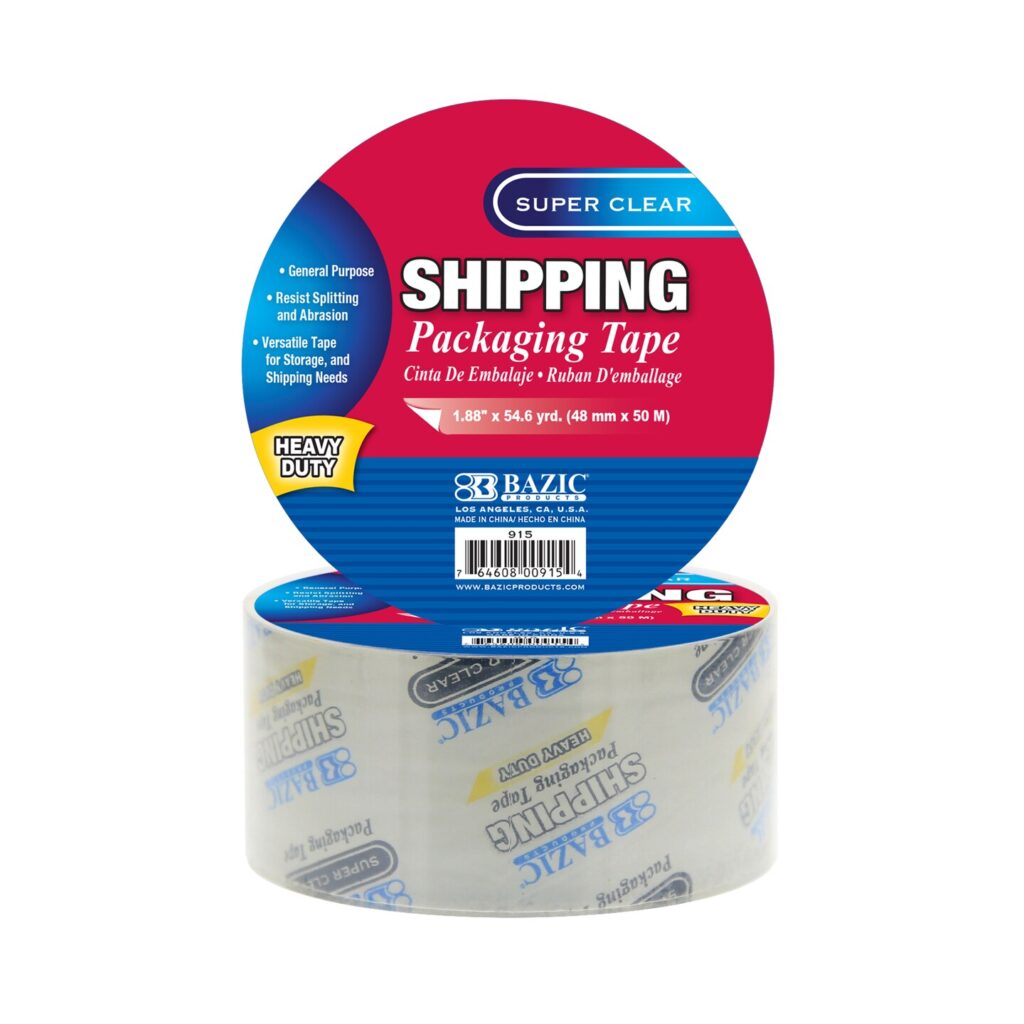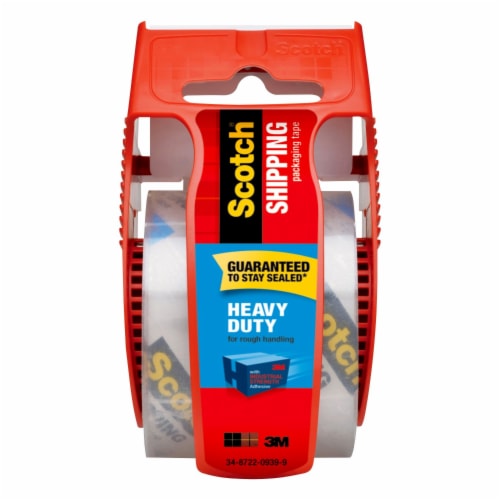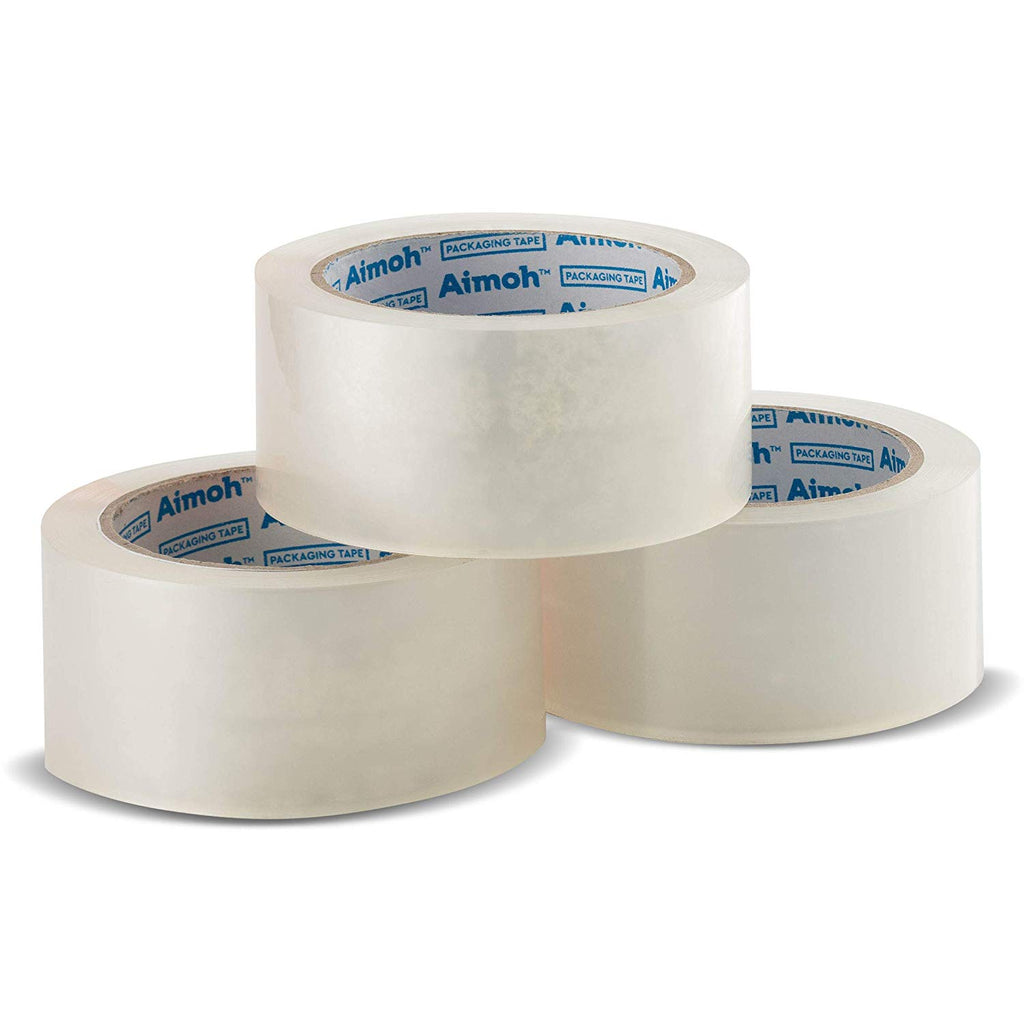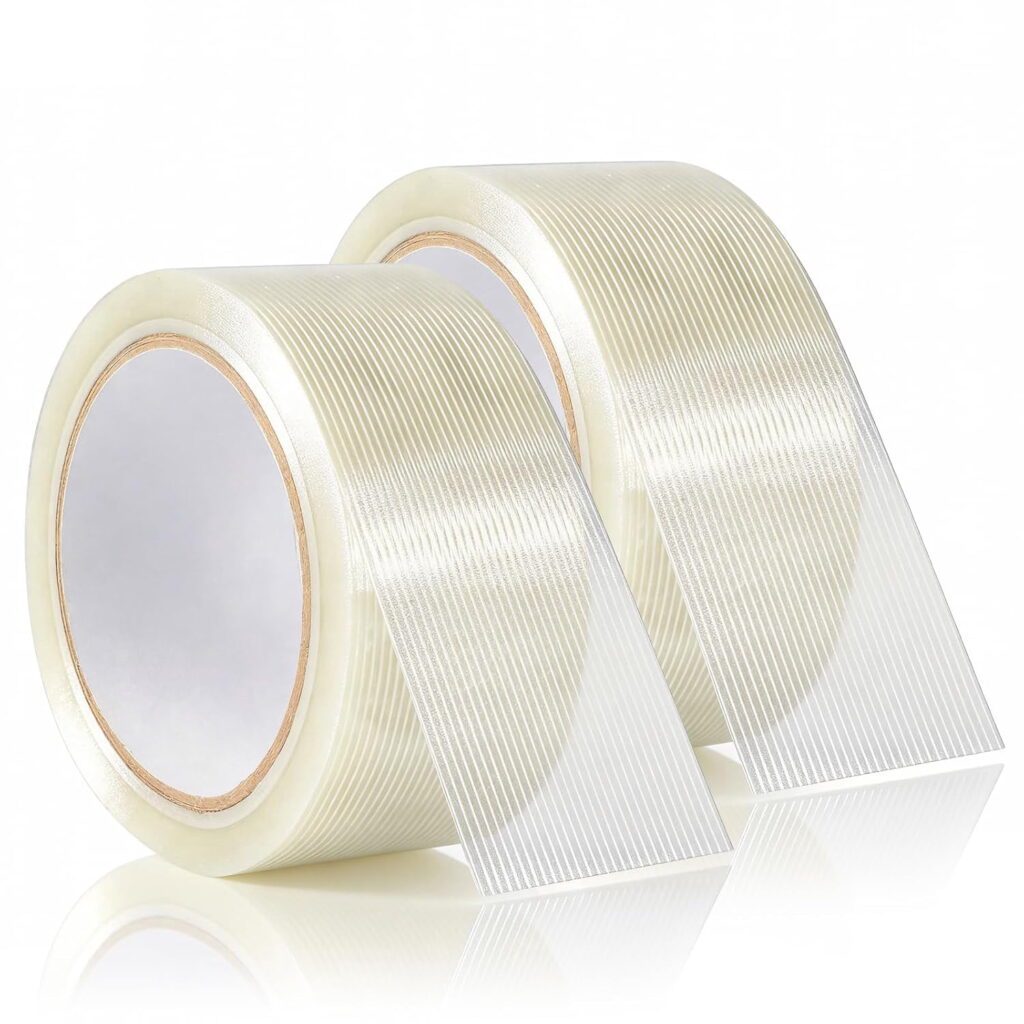
Introduction: Navigating the Global Market for Super clear strong packing tape
Sourcing super clear strong packing tape for international logistics operations presents a critical challenge for procurement teams navigating disparate quality standards and supply chain complexities. As global trade volumes expand between emerging markets and established European hubs, the integrity of your packaging directly impacts brand reputation and product security during transit. Whether you’re managing high-volume distribution from Lagos or coordinating precision exports from Frankfurt, selecting the right sealing solution requires more than basic product specifications—it demands strategic market insight.
What quality challenges complicate global packaging tape procurement?
The international marketplace offers varying grades of polypropylene and polyester film tapes, from hot-melt adhesives optimized for humid climates to acrylic formulations suited for temperature fluctuations. Without standardized vetting protocols, buyers risk inconsistent tensile strength, poor clarity affecting barcode scanning, and adhesive failures that compromise entire shipments. This guide addresses these pain points by examining critical performance metrics including mil thickness, unwind noise levels, and moisture resistance specific to regional shipping conditions.
How can buyers optimize sourcing strategies across diverse markets?
We analyze supplier verification methodologies, cost-per-seal calculations, and compliance requirements tailored to African, South American, Middle Eastern, and European regulatory environments. From evaluating crystal-clear optical properties for automated scanning systems to assessing heavy-duty tensile performance for rough handling, you’ll gain actionable frameworks for technical specification matching and quality assurance. By integrating adhesive chemistry insights with geopolitical supply chain intelligence, this resource empowers procurement professionals to secure packaging solutions that balance durability, clarity, and cost-efficiency across diverse international trade corridors.
Understanding Super clear strong packing tape Types and Variations
| Type Name | Key Distinguishing Features | Primary B2B Applications | Brief Pros & Cons for Buyers |
|---|---|---|---|
| Hot-Melt Polypropylene Super Clear | Synthetic rubber adhesive, instant tack, 1.6–2.6 mil thickness, high-clarity PP film backing | High-volume carton sealing, e-commerce fulfillment, general logistics | Pros: Economical bulk pricing, fast initial bond, compatible with automated dispensers. Cons: Poor performance in extreme temperatures (below 0°F/above 140°F), noisy unwind, potential yellowing over time. |
| Acrylic Adhesive Super Clear | Water-based acrylic formula, UV-stable, wide temperature range (-20°F to 150°F+), quieter unwind | Export shipping, long-term storage, food/pharmaceutical packaging | Pros: Excellent aging resistance, temperature stability, food-safe grades available. Cons: Higher unit cost, slower initial tack requires sustained pressure during application. |
| Heavy-Duty Reinforced Super Clear | 3.0+ mil thickness, 30+ lb/in tensile strength, reinforced backing or enhanced adhesive layers | Heavy cartons (>40 lbs), palletizing, rough-handling distribution, industrial logistics | Pros: Superior holding power, puncture resistance, prevents splitting under stress. Cons: Premium pricing, requires heavy-duty dispensers, overkill for lightweight packages. |
| Low-Noise Quiet Unwind Super Clear |
Key Industrial Applications of Super clear strong packing tape
| Industry/Sector | Specific Application of Super clear strong packing tape | Value/Benefit for the Business | Key Sourcing Considerations for this Application |
|---|---|---|---|
| E-commerce Fulfillment & 3PL Logistics | High-velocity carton sealing for multi-channel distribution centers handling consumer goods | Eliminates scanning errors through crystal-clear optics; quiet unwind technology reduces warehouse noise pollution by up to 50% compared to standard PVC tapes | Specify hot-melt synthetic adhesive for humid climates (Nigeria, Brazil); bulk 1000-yard rolls to minimize changeover downtime |
| Pharmaceutical & Laboratory Sciences | Contamination-resistant sealing for diagnostic kit transport and biological sample cold-chain logistics | Maintains sterile barriers against moisture and dust; stable acrylic adhesion across temperature fluctuations from -20°C to 60°C | Verify low-outgassing properties and compliance with EU medical device packaging standards; prioritize residue-free removal for clean-room environments |
| Export Manufacturing & Heavy Industry | Export-grade palletizing and heavy-load carton sealing for automotive parts and machinery | 25+ lbs/inch tensile strength prevents splitting during rough port handling; UV resistance protects contents during extended outdoor storage in transshipment hubs | Demand moisture-resistant polypropylene backing for sea freight exposure; verify performance in high-humidity African and South American port conditions |
| Electronics & High-Value Retail | Tamper-evident sealing for consumer electronics, luxury goods, and sensitive components | Optical clarity preserves brand presentation and enables barcode scanning without tape removal; strong adhesion prevents pilferage while allowing clean removal at destination | Specify anti-static properties to protect circuit boards; ensure compatibility with automated case sealers used in German and Middle Eastern distribution centers |
How Does Super Clear Packing Tape Optimize High-Velocity E-commerce Fulfillment in Humid Climates?
In high-velocity fulfillment centers across Nigeria and Brazil, super clear strong packing tape addresses the critical challenge of maintaining adhesive integrity in tropical humidity where standard tapes fail. The hot-melt synthetic formulation creates aggressive initial tack that bonds reliably to recycled corrugated materials despite moisture fluctuations, while the crystal-clear polypropylene backing allows high-speed barcode scanners to read through the tape without obstruction. For 3PL providers managing multi-channel distribution, quiet unwind technology reduces workplace noise pollution—a key compliance factor in European logistics hubs—while 1000-yard bulk rolls minimize changeover frequency during peak seasonal demand.
What Contamination Control Standards Should Laboratory Buyers Demand from Clear Packing Tape?
For diagnostic laboratories and pharmaceutical distributors in the Middle East and Europe, contamination control during transport is non-negotiable. Super clear packing tape with acrylic adhesive provides stable performance across temperature fluctuations typical of cold-chain logistics, maintaining seal integrity for biological samples and reagents. The transparency enables immediate content verification without breaking the seal, supporting chain-of-custody protocols. Buyers should prioritize tapes with low-outgassing properties and resistance to aging, ensuring that sealed diagnostic kits arriving in German medical facilities or Nigerian health centers remain uncompromised throughout extended storage periods.
Why Is Tensile Strength Critical for Export Manufacturing Shipments from Emerging Markets?
Manufacturing exporters from South America and Africa face unique challenges with sea freight exposure and rough handling during port transfers. Super clear heavy-duty packing tape with 25+ lbs per inch tensile strength prevents carton splitting under compression when containers are stacked in humid port environments like Lagos or Santos. The moisture-resistant barrier properties protect electronics and automotive parts from salt air corrosion during transoceanic voyages. Procurement teams must specify UV-resistant acrylic formulations that withstand intense solar exposure in Middle Eastern transshipment hubs while maintaining adhesion through temperature cycles encountered in European destination ports.
How Does Optical Clarity Enhance Security for High-Value Electronics Distribution?
For electronics manufacturers shipping high-value components to global markets, optical clarity serves dual purposes: aesthetic presentation and security verification. The super clear backing allows tamper-evident sealing without obscuring serial numbers or branding, crucial for luxury goods entering European retail channels. In distribution centers across the Middle East and Africa, the strong hot-melt adhesive prevents pilferage while allowing clean removal during final assembly. Buyers should verify residue-free removal capabilities and anti-static properties to protect sensitive circuit boards, ensuring that products arrive in German or Nigerian retail environments with packaging integrity intact and customer experience uncompromised.
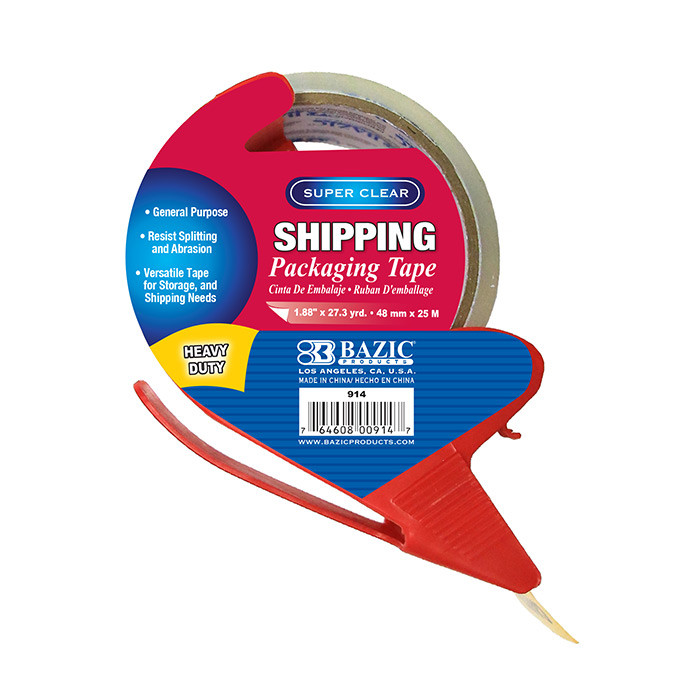
A stock image related to Super clear strong packing tape.
3 Common User Pain Points for ‘Super clear strong packing tape’ & Their Solutions
Scenario 1: Barcode Scanning Failures and Inventory Visibility Issues
The Problem: In high-throughput distribution centers serving European and Middle Eastern markets, automated sorting systems frequently reject cartons when packing tape obscures critical barcode labels. Traditional brown tape or low-grade clear alternatives with yellowing, haze, or air bubbles create optical interference that prevents laser scanners from reading GS1-128 or ITF-14 symbols. This forces manual handling, creates bottlenecks at sortation hubs, and delays shipments—friction that becomes exponentially costly for international exporters managing cross-border logistics where scanning accuracy directly impacts customs clearance, inventory tracking, and on-time delivery metrics.
The Solution: Specify super clear packing tape with crystal-optic clarity and minimal refractive distortion, typically achieved through premium-grade biaxially oriented polypropylene (BOPP) film backings with specialized release coatings. For logistics operations, select tapes with 2.6 mil thickness or greater that provide the rigidity needed to maintain flat application over labels without wrinkling or flagging. When sourcing from wholesale suppliers, request optical density specifications—industrial-grade clear tape should allow 90%+ light transmission to ensure seamless compatibility with both laser and camera-based scanning systems. Additionally, verify that the adhesive layer remains ultra-thin (1.6-2.0 mil) to prevent edge-lifting that could cast shadows over barcodes, thereby eliminating manual re-routing and maintaining throughput velocity in automated facilities.
Scenario 2: Adhesive Failure in Extreme Climate Conditions
The Problem: B2B buyers operating in tropical African markets, South American regions, or the Middle East frequently encounter catastrophic carton seal failures when standard hot-melt adhesive tapes soften in ambient temperatures exceeding 40°C (104°F) or lose tack entirely during high-humidity monsoon seasons. The adhesive migrates into corrugated fibers, creating a greasy bond that fails under shear stress. Similarly, exporters shipping to these regions face compromised seals during multi-week ocean transit, resulting in tampering risks, contamination from dust and moisture, and product damage that destroys client relationships and triggers costly insurance claims or customs rejections.
The Solution: Transition to acrylic adhesive formulations rather than conventional hot-melt for supply chains traversing climates with temperature extremes or sustained high humidity. Acrylic adhesives maintain cohesive shear strength across broader temperature ranges (-20°C to 60°C) and resist oxidation and UV degradation during outdoor storage—a critical factor for port facilities in Lagos, Mumbai, or Santos. For heavy-duty industrial applications, specify 3.1 mil thickness with reinforced tensile strength (minimum 25-30 lbs per inch) to accommodate thermal expansion and contraction of corrugated fibers without delamination. Procure tape with UV-resistant backing films to prevent brittleness in direct sunlight, and always verify temperature resistance specifications in your technical procurement criteria, ensuring the tape maintains adhesion integrity from warehouse loading through final-mile delivery in challenging climates.
Scenario 3: Operational Inefficiency in High-Volume Packaging Lines
The Problem: Manufacturing and fulfillment operations purchasing bulk wholesale quantities of economy-grade tape frequently suffer from “downtime death by a thousand cuts”—rolls that split longitudinally during high-speed application, adhesive backings that stick to themselves requiring knife cuts to restart, and noisy unwind characteristics that violate workplace safety standards and create operator fatigue. These micro-inefficiencies compound dramatically in 24/7 operations where packaging line stoppages directly impact order fulfillment targets, increase labor costs per unit, and create inconsistent seal quality that varies by shift operator. For businesses scaling operations across Nigeria or Germany, inconsistent tape performance creates quality control nightmares and unpredictable material waste.
The Solution: Invest in heavy-duty super clear tapes featuring “Sure-Start” or easy-release technology that prevents roll-to-roll adhesion and ensures immediate unwind without splitting or tearing. Specify 3-inch core diameters compatible with industrial case sealing equipment rather than handheld dispensers, and prioritize tapes with 2.6 mil+ thickness and longitudinal filament reinforcement to prevent tearing during rapid automated application. For bulk procurement contracts, mandate sample rolls for dispenser compatibility testing and noise-level verification—premium clear tapes should deliver smooth, quiet unwind under tension while maintaining the tensile strength needed for high-speed case sealers. Additionally, request hot-melt adhesive variants specifically formulated for low-noise unwinding in office-proximate warehouses, ensuring the solution maintains consistent application speeds above 30 cartons per minute while reducing operator strain and material waste.
Strategic Material Selection Guide for Super clear strong packing tape
Selecting the optimal film substrate for super clear strong packing tape requires balancing optical clarity, tensile performance, and cost efficiency against your specific logistics environment. While B2B buyers often prioritize immediate adhesive strength, the backing material fundamentally determines temperature resistance, unwind noise, and long-term package integrity. Whether sourcing for high-volume Nigerian export operations or German precision manufacturing, understanding these material distinctions prevents costly application failures and ensures compliance with diverse regional handling standards.
Why is BOPP Film the Global Standard for High-Volume Carton Sealing?
Biaxially Oriented Polypropylene dominates international B2B procurement due to its exceptional cost-to-performance ratio. The biaxial orientation process aligns polymer chains both mechanically and transversely, creating a film with 25-30 lbs/inch tensile strength while maintaining the lightweight properties essential for reducing freight costs across African and South American distribution networks. For buyers managing tropical supply chains, BOPP offers reliable humidity resistance, though extreme heat may require acrylic adhesive formulations rather than standard hot-melt to prevent adhesive bleed. Its slight optical haze—compared to PVC—rarely compromises barcode scanning efficiency, making it ideal for automated warehouse environments where function outweighs premium presentation requirements.
Does PVC Film Deliver Superior Clarity for Premium Brand Presentation?
Polyvinyl Chloride film remains the preferred substrate for Middle Eastern and European retailers prioritizing shelf-ready packaging aesthetics and workplace ergonomics. Unlike polypropylene, PVC provides glass-like transparency that enhances product visibility during customs inspections and retail display, while its inherent flexibility creates significantly quieter unwind characteristics—critical for German office environments and healthcare facilities where noise pollution standards
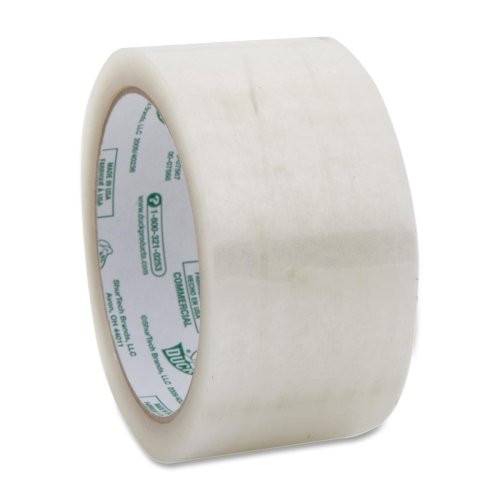
A stock image related to Super clear strong packing tape.
In-depth Look: Manufacturing Processes and Quality Assurance for Super clear strong packing tape
For B2B procurement teams managing complex supply chains across diverse climates—from the humid ports of Lagos to the temperature-controlled warehouses of Frankfurt—understanding how super clear strong packing tape is manufactured ensures you specify products that withstand the rigors of international transit. The transition from raw polypropylene pellets to high-performance sealing solutions involves sophisticated polymer science and rigorous quality protocols that directly impact your operational reliability.
What Raw Materials Define Premium Super Clear Packing Tape?
The foundation of exceptional clarity and strength begins with biaxially oriented polypropylene (BOPP) film, the industry-standard substrate for heavy-duty packaging applications. Unlike standard polypropylene, BOPP undergoes mechanical stretching in both machine and transverse directions, creating a molecular structure that delivers high tensile strength while maintaining the crystal-clear transparency essential for barcode scanning and inventory visibility.
Adhesive selection determines bonding performance across varying environmental conditions. Hot-melt synthetic rubber adhesives dominate high-speed automated packaging lines, offering aggressive initial tack and rapid bond formation critical for high-throughput facilities. Alternatively, acrylic emulsion adhesives provide superior UV resistance and aging stability, making them preferable for long-term storage applications in regions with intense solar exposure, such as the Middle East or South America. Premium manufacturers often employ multi-layer coating technologies, applying specialized primer layers to ensure adhesive anchorage while preventing delamination during extreme temperature fluctuations.
How Does Biaxial Orientation Manufacturing Ensure Optical Clarity?
The manufacturing process begins with extrusion, where polypropylene resin melts at temperatures exceeding 300°C before being cast into flat sheets. These sheets enter the critical orientation phase: simultaneous stretching using heated rollers and tenter frames elongates the polymer chains in perpendicular directions. This biaxial orientation not only increases tensile strength to 25–30 lbs per inch but also reduces the crystalline haze that causes cloudiness in standard films.
For “super clear” specifications, manufacturers employ additional surface treatments such as corona discharge or flame treatment. These processes modify the surface energy of the BOPP film, eliminating microscopic surface irregularities that scatter light. The result is a tape backing with light transmission rates exceeding 90%, ensuring that printed carton markings remain legible through the tape layer—a critical requirement for automated sorting systems in European distribution centers.
What Coating Technologies Maximize Adhesive Performance?
Following film preparation, automated coating lines apply adhesive layers with precision tolerances of ±0.1 mil. Hot-melt coating systems maintain adhesives at 150–170°C in molten state before slot-die application, ensuring uniform thickness across the entire web width. This uniformity prevents “adhesive pooling” that creates weak spots vulnerable to shear failure under heavy loads.
For acrylic-based products, waterborne emulsion coating requires controlled drying tunnels where infrared and convection heating remove moisture content to <0.5%. Advanced manufacturers implement inline viscosity monitoring and automated feedback loops that adjust coating weights in real-time, ensuring consistent peel adhesion values (typically measured at 20–30 oz/inch width) across production batches. These processes directly impact the “quiet unwind” characteristics valued in office environments and noise-sensitive logistics facilities.
Which Quality Control Tests Validate Export-Grade Durability?
Reputable manufacturers implement multi-stage quality assurance protocols that exceed basic ASTM D5486 standards. Incoming raw material inspection verifies Melt Flow Index (MFI) of polypropylene resin and solid content percentages of adhesive formulations. During production, automated vision systems detect microscopic defects such as gel particles or pinholes that could compromise barrier properties.
Finished product testing encompasses tensile strength verification using universal testing machines, where samples must withstand 25+ lbs per inch without necking or tearing. Peel adhesion testing measures the force required to remove tape from standardized corrugated board after 20-minute and 24-hour dwell times, ensuring immediate tack and long-term bond development. For super clear variants, haze meters quantify optical clarity, rejecting batches exceeding 5% haze values.
Climate resilience testing proves particularly crucial for B2B buyers in tropical African or South American markets. Accelerated aging chambers subject tape samples to 70°C/90% RH conditions for 72 hours, simulating extended warehouse storage. Shear adhesion tests—measuring how long weighted tape samples resist slippage on vertical surfaces—validate performance under high-humidity conditions where inferior adhesives might soften and fail.
How Does Precision Slitting Impact Operational Efficiency?
The final manufacturing phase involves slitting master rolls into commercial widths (typically 48mm or 72mm) while maintaining tension control within ±5% to prevent telescoping or edge damage. Precision slitting using razor or shear-cut technologies ensures clean edges that feed smoothly through dispenser mechanisms, reducing jamming incidents in high-speed automated packaging lines.
Core alignment and winding tension critically affect unwinding characteristics. Excessive tension creates adhesive bleed or “legging,” while insufficient tension causes air entrapment and telescoping during shipment. Quality-assured manufacturers implement 100% inspection of roll geometry, ensuring consistent roll hardness that facilitates smooth dispensing without the disruptive “snap” noise that slows manual packing operations.
What Storage Protocols Maintain Tape Integrity During International Transit?
Manufacturing excellence extends to packaging specifications that protect product integrity during ocean freight. Individual rolls require moisture-barrier wrapping with desiccant inclusion, preventing humidity-induced adhesive degradation during the 30–45 day transits common in global trade. Palletized shipments utilize VCI (Volatile Corrosion Inhibitor) films when metal cores are present, particularly relevant for buyers in coastal Nigerian or Middle Eastern ports where salt air accelerates corrosion.
Temperature monitoring during storage and shipping prevents thermal degradation of hot-melt adhesives, which can soften and flow if exposed to temperatures exceeding 50°C in container yards. Manufacturers providing comprehensive technical data sheets specifying glass transition temperatures and storage condition parameters enable procurement teams to establish appropriate warehouse protocols, ensuring that tape performance characteristics remain consistent from production through end-use application.
By scrutinizing these manufacturing and quality assurance parameters, B2B buyers can distinguish between commodity-grade products and engineered solutions capable of maintaining seal integrity across the diverse environmental challenges of international supply chains.
Practical Sourcing Guide: A Step-by-Step Checklist for ‘Super clear strong packing tape’
Navigating international procurement for high-performance packaging materials requires balancing technical precision with logistical pragmatism. This checklist provides B2B buyers with actionable criteria to evaluate suppliers, specifications, and shipping protocols—ensuring your investment in clear packing tape delivers consistent sealing performance across diverse operational environments, from humid African distribution centers to automated European fulfillment facilities.
1. How Do You Define Critical Technical Specifications for High-Volume Operations?
Begin by documenting your exact performance requirements rather than relying on generic “heavy duty” descriptions. Specify film thickness (typically 2.0–3.0 mil for industrial use), tensile strength (minimum 25 lbs per inch for secure carton sealing), and width standards (48mm/1.88″ for manual application, 72mm/3″ for automated lines). Verify core dimensions—3-inch cores suit most dispenser systems, while 1-inch cores require specific handheld tools. For “super clear” requirements, demand optical clarity percentages above 90% to ensure barcode readability and professional presentation.
2. Which Adhesive Formulation Works Best for Your Regional Climate and Application?
Match adhesive chemistry to your environmental conditions and substrate materials. Hot-melt synthetic adhesives provide immediate grab strength ideal for high-speed manufacturing, but may soften in extreme Middle Eastern heat. Acrylic adhesives offer superior temperature resistance (-20°C to 80°C) and aging stability, crucial for long-term storage in fluctuating climates like Nigeria or South America. For dusty environments, specify low-noise unwind formulations that reduce static attraction during application.
3. What Compliance Certifications Should You Demand from International Suppliers?
Require documentation that exceeds basic manufacturing guarantees. ISO 9001 certification ensures consistent production standards, while REACH compliance is mandatory for European markets (Germany). If handling food products or pharmaceuticals, verify FDA 21 CFR 175.105 compliance for indirect food contact. Request batch-specific tensile strength test reports and adhesive migration data to confirm the tape meets your industry’s regulatory frameworks without delamination risks.
4. How Do You Evaluate Total Cost of Ownership for Global Sourcing?
Calculate beyond per-roll pricing to include freight optimization, customs duties (typically HS code 3919.10), and storage requirements. Super clear tapes often require climate-controlled warehousing (15–25°C, 40–60% humidity) to prevent adhesive degradation in tropical regions. Factor in dispenser compatibility—tapes designed for 3-inch core industrial dispensers reduce labor costs by 30% compared to manual application. Assess roll length efficiency; 1000-yard bulk rolls minimize changeover downtime versus standard 55-yard consumer rolls.
5. What Quality Control Protocols Ensure Consistent Performance Across Batches?
Establish pre-shipment inspection criteria including roll diameter consistency, adhesive coating uniformity, and immediate tack testing. Require suppliers to retain production samples from each batch for six months to facilitate defect analysis. For automated packaging lines, demand unwind force specifications (typically 2.5–4.5 N) to prevent machine jams. Implement incoming goods testing for peel adhesion (ASTM D3330) and shear strength (ASTM D3654) before accepting large shipments.
6. How Should You Structure Logistics to Protect Adhesive Integrity During Transit?
Specify shipping conditions that preserve adhesive properties during international transit. Require palletized loads with humidity indicators and VCI (Volatile Corrosion Inhibitor) film wrapping for sea freight to Africa or South America. Avoid container stacking above three pallets to prevent core compression. Negotiate lead times that account for customs clearance complexities—typically 2–3 weeks for European ports, 4–6 weeks for Nigerian or Middle Eastern destinations. Request moisture-resistant packaging and temperature logging for shipments crossing extreme climate zones.
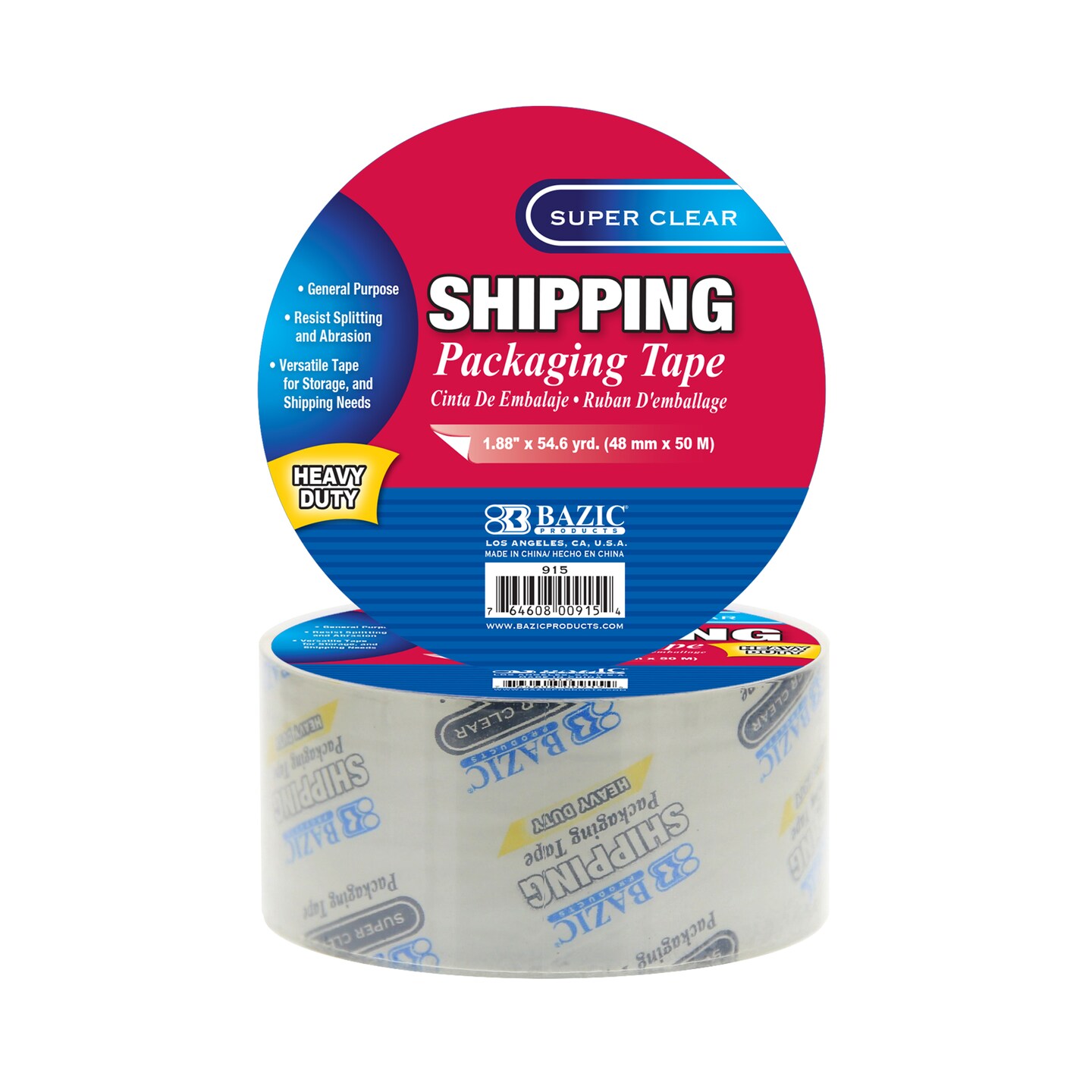
A stock image related to Super clear strong packing tape.
Comprehensive Cost and Pricing Analysis for Super clear strong packing tape Sourcing
Super clear strong packing tape pricing in B2B markets extends far beyond the sticker price per roll. For procurement teams across Africa, South America, the Middle East, and Europe, understanding the granular cost drivers—from adhesive chemistry to logistics optimization—enables strategic sourcing decisions that impact both operational budgets and supply chain reliability.
What Raw Material Specifications Drive Bulk Pricing Variations?
The cost structure begins with material composition. Polypropylene (BOPP) film backing thickness—typically ranging from 1.6 mil to 3.1 mil for standard applications and up to 4.1 mil for heavy-duty polyester variants—directly correlates with resin costs. Hot-melt adhesives generally command lower raw material costs than acrylic formulations, though acrylic offers superior temperature resistance critical for Middle Eastern and South American climates. Tensile strength ratings (20–30 lbs per inch) also influence pricing; tapes exceeding 25 lbs per inch require higher-grade polymer films and specialized coating processes, increasing unit costs by 15–25% compared to standard commercial grades.
How Do Volume Tiers and Core Configurations Affect Unit Economics?
B2B pricing operates on exponential volume discounts. While retail packs of 6 rolls (54.6–109 yards) suit small offices, industrial buyers accessing 1,000-yard bulk rolls or palletized quantities unlock 40–60% cost reductions per linear meter. However, minimum order quantities (MOQs) vary significantly by region. European buyers often access 20-foot container pricing at lower thresholds due to established distribution networks, while African importers may face higher MOQs to justify shipping logistics. Additionally, core size matters: 3-inch diameter cores suit high-speed automated lines but cost more to ship due to volume, whereas 1.5-inch cores reduce freight expenses but may require adapter dispensers.
What Hidden Logistics Costs Impact Total Landed Price?
International procurement involves calculations beyond FOB pricing. Sea freight rates for packing tape—a high-volume, low-weight commodity—fluctuate based on oil prices and port congestion, particularly affecting Nigerian and Brazilian importers facing extended inland transportation. Import duties vary: the EU applies standard customs codes for adhesive tapes (HS 3919), while Middle Eastern markets may levy additional processing fees. Storage costs also matter; super clear tapes with UV-resistant acrylic adhesives justify higher upfront costs in hot climates by eliminating warehouse degradation losses common with budget hot-melt alternatives that lose tack after prolonged heat exposure.
Why Should Buyers Evaluate Cost Per Application Rather Than Cost Per Roll?
True cost analysis requires shifting from roll-based to performance-based metrics. A 2.6-mil commercial grade tape requiring double-layer application for heavy boxes consumes more material than a 3.1-mil heavy-duty variant with superior initial tack. Calculate cost per sealed carton by dividing tape price by the number of standard boxes sealed per roll, accounting for overlap waste. Additionally, factor dispenser compatibility—low-quality tape causing jamming in automated packaging lines creates downtime costs that dwarf material savings. Premium super clear tapes with quiet-unwind technology reduce workplace noise complaints, delivering indirect HR cost benefits in European manufacturing facilities with strict occupational health standards while improving packing speed in high-volume African distribution centers.
Alternatives Analysis: Comparing Super clear strong packing tape With Other Solutions
When evaluating sealing methodologies for international supply chains, procurement teams must look beyond standard film tapes to solutions that address specific regulatory, environmental, and load-bearing requirements. While super clear strong packing tape dominates general carton sealing, alternative technologies offer distinct advantages for specialized B2B applications across diverse markets from the EU to emerging African economies. The following analysis examines how water-activated paper systems, reinforced filament tapes, and unitization films compare against conventional clear tape across critical performance and implementation metrics.
| Comparison Aspect | Super Clear Strong Packing Tape | Water-Activated Kraft Paper Tape | Filament-Reinforced Strapping Tape | Stretch Wrap Film (Pallet Unitization) |
|---|---|---|---|---|
| Adhesive Technology | Pressure-sensitive acrylic or hot-melt | Starch-based, water-activated chemical bond | Pressure-sensitive synthetic rubber with fiberglass | Self-adhering LLDPE (no adhesive) |
| Tensile Strength | 25–30 lbs per inch | 50–100 lbs per inch (reinforced grades) | 100–300 lbs per inch | 1,500–3,000 lbs (load containment) |
| Application Speed | High (instant grab, quiet unwind) | Moderate (requires wetting and activation) | High (immediate adhesion) | Low to moderate (wrapping process) |
| Equipment Investment | Minimal (hand dispensers) | Moderate (water-activated dispensers) | Minimal to moderate (heavy-duty dispensers) | High (stretch wrap machines recommended) |
| Cost per Unit | $ (Lowest material cost) | $$ (Higher tape cost, lower waste) | $$$ (Premium pricing) | $$ (Volume-dependent) |
| Tamper Evidence | Moderate (can be resealed with heat) | High (bonds to box fibers, tears upon removal) | High (leaves visible fiber patterns) | Low (film can be reapplied) |
| Environmental Profile | Polypropylene/PVC (recycling challenges) | Biodegradable paper, curbside recyclable | Mixed waste (plastic + fiberglass) | Recyclable LDPE (requires collection programs) |
| Ideal Use Case | High-volume e-commerce, general logistics | Luxury goods, EU exports, sustainability mandates | Heavy machinery, metal components, export pallets | Bulk commodities, internal palletizing, agricultural exports |
Is Water-Activated Kraft Paper Tape a Viable Eco-Friendly Alternative for Export Compliance?
Water-activated kraft paper tape (WAT) represents a paradigm shift from film-based sealing for B2B operations prioritizing sustainability and security. Unlike pressure-sensitive clear tapes, WAT utilizes a starch-based adhesive that chemically bonds with corrugated fibers, creating a tamper-evident seal that destroys the box upon removal. For buyers in Germany and the EU facing strict packaging waste regulations, WAT offers 100% recyclability without separation, eliminating the contamination issues associated with polypropylene films. However, implementation requires specialized dispensers with water brushes and longer application times, making it less suitable
Essential Technical Properties and Trade Terminology for Super clear strong packing tape
When procuring super clear strong packing tape for international logistics, understanding precise technical specifications ensures compatibility with automated systems and climate-specific performance requirements. The following technical properties and trade definitions provide the necessary framework for evaluating supplier specifications against your operational demands in diverse markets from Nigeria to Germany.
Critical Technical Specifications for B2B Procurement
What Does Film Thickness (Mil Rating) Indicate for Load Security?
Film thickness, measured in mils (one-thousandth of an inch), directly correlates with puncture resistance and tensile performance. Standard duty tapes range from 1.6–2.0 mil, while heavy-duty variants for export shipping typically exceed 2.6–3.5 mil. Thicker films provide superior protection against abrasion during rough handling in international transit, particularly crucial for containerized shipments to African and Middle Eastern ports where temperature fluctuations stress packaging integrity.
How Do Tensile Strength and Elongation Impact Shipping Integrity?
Tensile strength measures the force required to break the tape, expressed in pounds per inch (lbs/in) or Newtons per centimeter. Premium super clear tapes offer 25–30 lbs/in tensile strength, ensuring seals withstand stacking pressures during ocean freight. Elongation percentage—typically 150–180% for quality films—indicates the tape’s ability to stretch without snapping, absorbing impact shocks when cartons are dropped or compressed in warehouse environments.
Which Adhesive Chemistry Performs Best in Extreme Temperatures?
The adhesive system determines application temperature range and long-term holding power. Hot melt synthetic rubber adhesives provide aggressive initial tack (ideal for recycled corrugated boxes) and perform optimally between 40°F–120°F (4°C–49°C). Acrylic adhesives offer broader temperature resistance (-20°F–150°F/-29°C–66°C) and superior UV stability, making them preferable for long-term storage in South American or Middle Eastern climates with high sun exposure.
Why Is Optical Clarity Measured by Haze Percentage?
Super clear tape requires low haze values (typically <5%) and high light transmission (>90%) to ensure barcode readability and professional presentation. This optical property prevents “fogging” that obscures shipping labels, facilitating automated scanning at European distribution centers and customs checkpoints without requiring tape removal for identification.
Essential Trade Terminology for International Buyers
What Is BOPP and Why Does It Dominate Industrial Applications?
BOPP (Biaxially Oriented Polypropylene) refers to the film manufacturing process where polypropylene is stretched in two directions, creating molecular chain alignment that yields exceptional clarity, tensile strength, and moisture resistance. This material constitutes the substrate for 90% of global packaging tape production due to its cost-effectiveness and recyclability compared to PVC alternatives.
What Does “Quiet Unwind” Mean for Warehouse Operations?
Quiet unwind describes low-noise dispensing characteristics, typically associated with acrylic adhesives or specialized hot melt formulations. This property reduces workplace noise pollution below 65 decibels, complying with European occupational safety standards while improving packing speed in high-volume distribution centers where acoustic environments affect worker productivity.
How Do Jumbo Rolls Differ from Hand-Length Specifications?
Jumbo rolls (machine length) contain 1000–2000 yards of tape on 3-inch cores, designed for automated case sealers and high-speed packaging lines. Hand-length rolls (typically 55–110 yards) suit manual dispensers. B2B buyers should specify “machine length” when sourcing for automated facilities to minimize changeover downtime and optimize per-meter pricing in bulk procurement contracts.
What Is the Difference Between Shear Resistance and Tensile
Navigating Market Dynamics and Sourcing Trends in the Super clear strong packing tape Sector
What Are the Current Market Dynamics Shaping Super Clear Strong Packing Tape Demand?
The global market for super clear strong packing tape is experiencing robust growth, driven primarily by the exponential expansion of e-commerce logistics and the increasing sophistication of international supply chains. B2B buyers across Africa, South America, the Middle East, and Europe are witnessing heightened demand for high-clarity sealing solutions that maintain optical transparency while withstanding rough handling during long-haul shipping and multiple transshipment points. Regional variations are particularly significant: European markets, particularly Germany, prioritize high tensile strength specifications exceeding 25 lbs per inch and consistent adhesive performance across varying temperature ranges, often requiring compliance with strict industrial packaging standards. Meanwhile, emerging markets in Nigeria and South America are strategically balancing cost efficiency with durability, showing increased preference for bulk industrial formats such as 1,000-yard rolls over smaller consumer packages to reduce per-unit costs. Supply chain resilience has become paramount, with procurement teams diversifying sourcing strategies to mitigate geopolitical disruptions, currency fluctuations, and ensure consistent availability of premium grades during peak shipping seasons.
How Is Technology Reshaping Adhesive Performance Standards in B2B Packaging?
Technological innovation is fundamentally redefining performance benchmarks in the packaging tape sector, with hot-melt synthetic adhesives and advanced acrylic formulations competing for market dominance across different regional applications. Hot-melt technologies offer superior initial tack and sealing strength, making them particularly effective for heavy-duty carton sealing in high-humidity climates common throughout Middle Eastern and South American distribution corridors. Conversely, acrylic adhesives provide extended shelf stability and quieter unwind characteristics, critical for automated high-speed packaging lines and ergonomic dispenser compatibility prevalent in European distribution centers. Thickness specifications now range from economical 1.6 mil options suitable for lightweight consumer goods to heavy-duty 4.1 mil variants designed for industrial palletizing and export packaging. Smart sourcing involves evaluating these technical parameters against specific logistical challenges, such as temperature fluctuations during transcontinental shipping routes, compatibility with recycled corrugated materials, and the specific weight requirements of packaged goods in transit.
Why Should International Buyers Prioritize Sustainability in Tape Sourcing?
Sustainability has transitioned from a peripheral value-added feature to a core procurement necessity, particularly for buyers serving environmentally regulated markets like the European Union and Germany. Super clear packing tape manufacturers are increasingly adopting recyclable polypropylene film backings and solvent-free adhesive systems to meet stringent EU environmental directives, Extended Producer Responsibility (EPR) regulations, and corporate sustainability mandates. B2B purchasers should verify that suppliers utilize recycled cardboard cores and minimize secondary plastic packaging in bulk shipments to reduce overall carbon footprints and waste generation. The industry shift toward eco-friendly hot-melt adhesives significantly reduces volatile organic compound (VOC) emissions without compromising the 26+ lb tensile strength required for secure palletizing and moisture protection. For African and South American markets, sustainable sourcing also means selecting products that balance biodegradability concerns with tropical climate resistance, ensuring that environmentally conscious
Frequently Asked Questions (FAQs) for B2B Buyers of Super clear strong packing tape
What is the best super clear strong packing tape for heavy-duty carton sealing in international shipping?
1. How do I select industrial-grade super clear packing tape that withstands rough handling during export transit?
Look for tapes with a thickness of 2.6 to 3.1 mil and a tensile strength exceeding 25 lbs per inch, as these specifications indicate robust polypropylene film backing capable of resisting splitting. Hot-melt synthetic adhesives provide immediate tack and superior holding power on corrugated cardboard, making them ideal for heavy cartons exceeding 30 kg. Premium options with commercial-grade formulations offer dependable sealing performance that prevents carton opening during multi-modal transport through African and Middle Eastern trade routes.
How does super clear packing tape compare to brown tape for barcode scanning accuracy in logistics operations?
2. Why does super clear packing tape improve barcode scanning efficiency compared to opaque brown alternatives?
Super clear tape allows barcode scanners to read through the packaging material without removing or lifting the tape, eliminating the need for secondary labeling or corner placement strategies required with tan or brown tape. This transparency ensures 99%+ scan rates at automated distribution centers in Europe and reduces manual handling delays at customs checkpoints in South America. When applied over shipping labels, crystal-clear film backing maintains barcode legibility even after exposure to moisture or friction during long-haul container shipping.
What mil thickness is considered industrial grade for super clear strong packing tape?
3. What thickness specifications indicate true industrial-grade performance for super clear packing tape?
Industrial-grade super clear packing tape typically ranges from 2.0 to 3.1 mil (0.051 to 0.079 mm) in thickness, with heavy-duty applications requiring minimum 2.6 mil for adequate puncture resistance. Standard commercial grades at 1.6 mil suffice for lightweight office shipments, but export operations to Nigeria or Germany should specify 2.6 mil or greater to withstand stacking pressures and handling abrasion. Thicker 3.1 mil variants provide enhanced durability for irregular box surfaces and extended outdoor storage periods.
Where can businesses buy super clear strong packing tape in bulk wholesale quantities?
4. How do I source super clear packing tape in bulk quantities for multi-regional B2B distribution?
Establish direct relationships with manufacturers or authorized B2B distributors who offer full container load (FCL) purchasing options and regional warehousing in target markets like Lagos or Dubai. Request quotes specifying 2-inch or 3-inch widths with 3-inch cores to ensure compatibility with standard dispensers, and negotiate volume discounts for orders exceeding 1,000 rolls annually. Verify suppliers provide consistent hot-melt adhesive formulations and ISO-certified production standards to maintain quality across shipments to diverse climates.
Hot-melt vs acrylic adhesive: Which performs best for super clear packing tape in extreme temperatures?
5. How do I choose between hot-melt and acrylic adhesives for super clear packing tape in varying climates?
Hot-melt adhesives deliver superior initial tack and bonding strength for immediate carton sealing in automated packaging lines, performing reliably in temperatures between 40°F to 120°F (4°C to 49°C). Acrylic adhesives offer better long-term aging characteristics and UV resistance, making them preferable for shipments experiencing extreme heat in Middle Eastern deserts or freezing conditions during European winter transit. For businesses operating across Africa and South America, acrylic formulations prevent adhesive failure during high-humidity monsoon seasons where hot-melt may soften.
How can businesses prevent adhesive failure when using super clear packing tape in humid climates?
**6. What storage and application methods
Important Disclaimer & Terms of Use
⚠️ Important Disclaimer
The information provided in this guide, including content regarding manufacturers, technical specifications, and market analysis, is for informational and educational purposes only. It does not constitute professional procurement advice, financial advice, or legal advice.
B2B buyers must conduct their own independent and thorough due diligence before making any purchasing decisions. The risk of relying on any information in this guide is borne solely by the reader.
Top 4 Super Clear Strong Packing Tape Manufacturers & Suppliers List
1. Partech – Super Clear OPP Packing Tape
Domain: partech-packing.com
Registered: 2023 (3 years)
Introduction: Super Clear OPP Packing Tape manufactured by Partech® (Yilane (Shanghai) Industrial Co Ltd) in China. Features crystal-clear transparent appearance allowing easy reading of print/labels underneath, making it ideal for branded packaging. Includes easy-to-handle dispenser for clean cutting without scissors. Available in sizes including 1 inch and 50cm widths.
2. Elite Tape – #226ESC Super Clear Carton Sealing Tape
Domain: elitetape.com
Registered: 2014 (12 years)
Introduction: Product: Elite #226ESC Super Clear Carton Sealing Tape (2.6 Mil). Material: Strong biaxially oriented polypropylene clear film with solvent-based acrylic adhesive system. Key Features: Non-yellowing, UV resistant, no fish eyes, high transparency and clarity. Applications: Carton sealing (light to heavy duty), label protection, lamination, bookbinding, document protection, arts and crafts, DIY proj…
3. Scotch – Box Sealing Tape
Domain: fishersci.com
Registered: 1995 (31 years)
Introduction: Category: Transparent and Packing Tapes. Products include: 1) 3M Scotch Box Sealing Tape 371 – Premium grade, hot-melt synthetic adhesive, for carton/box sealing. 2) Staples Advantage Scotch Sure-Start Shipping Tape – 1.88″W x 22.2 yds, clear, 6 rolls, hot melt adhesive, 2.6 mil thick, 25 lbs/in tensile strength, quiet unwind, refillable dispensers. 3) Grainger Heavy Duty Packaging Tape – Clear, p…
4. U.S. Packaging & Wrapping – Bulk Packing Tape
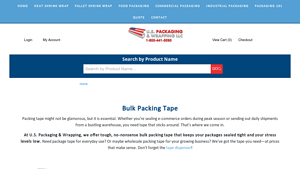
Domain: uspackagingandwrapping.com
Registered: 2011 (15 years)
Introduction: U.S. Packaging & Wrapping offers bulk packing tape in categories including general packaging tape, shipping tape (stronger for transit conditions), and machine packing tape for automated case sealers. Machine packing tape comes on longer rolls with standard 3-inch cores to reduce changeovers and downtime while increasing throughput. Products are designed for high-volume B2B operations including e-…
Strategic Sourcing Conclusion and Outlook for Super clear strong packing tape
As global supply chains navigate increasing volatility, procurement strategies for super clear strong packing tape must transcend unit cost analysis to prioritize adhesive chemistry reliability, film gauge consistency, and climate-specific performance validation. Buyers operating across diverse logistics environments—from Nigeria’s humid coastal corridors to Germany’s high-throughput automated fulfillment centers—require tape solutions that balance immediate carton sealing integrity with long-term supply chain resilience and total cost of ownership optimization.
How Can International Buyers Mitigate Supply Chain Risks When Sourcing Heavy-Duty Clear Tape?
For B2B procurement teams across Africa, South America, and the Middle East, partnering with manufacturers offering verified hot-melt or acrylic adhesive formulations—backed by documented tensile strength ratings exceeding 25 lbs per inch—provides critical protection against seal degradation during high-humidity storage and temperature-fluctuating transit. Establishing dual-source agreements for 2.0+ mil polypropylene film tapes, coupled with regional warehousing partnerships, ensures operational continuity despite port congestion or petrochemical raw material volatility.
What Technical Specifications Ensure Compatibility with Automated Packaging Systems?
European buyers and multinationals deploying high-speed carton sealers should prioritize low-noise unwind properties, consistent roll diameter tolerances, and anti-static film treatments to minimize downtime and maintenance costs. Forward-looking procurement strategies must increasingly integrate recyclable BOPP film backings and solvent-free adhesive chemistries to preempt evolving EU sustainability mandates and emerging ESG requirements in developing markets.
Ultimately, strategic sourcing success depends on aligning technical specifications with regional climate challenges, automation infrastructure, and regulatory trajectories—transforming packing tape from a commodity purchase into a critical supply chain reliability component.